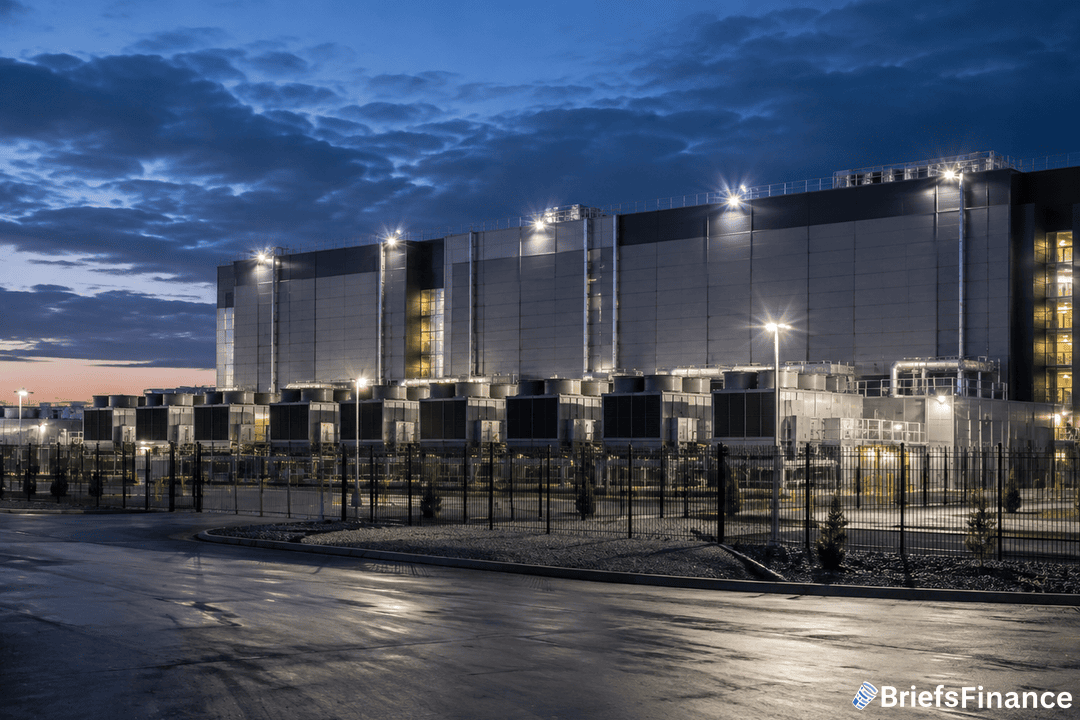
Jane Street is not a real estate company. It is a market maker, which means it helps keep buying and selling flowing smoothly across stocks and other assets. Founded in 2000 and based in New York, the firm has quietly become one of the most powerful players on Wall Street.
But trading at that scale needs serious computing muscle. Jane Street builds, leases, and finances data centers for its own trading systems, and it already pulls some computing power from a Dallas facility and from cloud providers like CoreWeave. The firm's infrastructure demands are growing, and this new project in Oklahoma represents a long-term bet on its own future computing needs.
Now it is anchoring a new project in Oklahoma.
Moody's Ratings assigned the bonds a below-investment-grade rating, the agency said in a report. The structure of the deal is designed to protect bondholders. Jane Street must cover base rent and every property expense under the 15-year absolute triple-net lease, including maintenance, property taxes, utility bills, insurance premiums, and electricity. Jane Street has also furnished a customary lease guaranty, Moody's notes.
Green Bonds Go Industrial
This deal is part of a fast-growing corner of the bond market. The jump to $11.2 billion shows how much money is flowing into the physical infrastructure that powers AI and cloud computing.
Get the free Always Be Buying eBook and learn the simple system for building wealth on any income
Zenith Arc is not alone. Earlier this year, Edged Compute issued $1.3 billion in green bonds, while TeraWulf secured $3.2 billion in financing for its data-center projects. The deals are getting bigger, and the tenants are getting more recognizable.
The green label matters here. Proceeds from these bonds go toward financing the development and construction of the compute facility and its substation. AI data centers are often criticized for consuming large amounts of natural resources.
Still, some developers have used green-bond financing by committing to renewable-energy and sustainable-water standards. For developers, green bonds can attract environmentally minded buyers and may reduce financing costs. Some investors, though, remain skeptical about financing data-center projects.
What It Means for Your Portfolio
For regular investors, this deal is a window into how the AI boom is actually being funded. The big story is not just which chipmaker wins. It is who owns the buildings, the substation, and the lease agreements that make all of it run.
Jane Street's willingness to sign a 15-year lease and guarantee the payments, consistent with its history of building, leasing, and financing data centers to keep up with demand for computing power, suggests the firm expects its computing needs to keep growing for a long time. That is a strong signal from a company that makes its living on speed and precision.
The bond market is betting alongside them. As more deals like this hit the market, they give everyday investors a way to see how confident the biggest players really are. A lease guaranty from a firm like Jane Street is not a promise of smooth sailing, but it is a sign that someone with deep pockets is willing to back their own future.
That is worth paying attention to, even if you never touch a junk bond.
Download the free Always Be Buying eBook and start putting your money to work today