A Gap Between Baby and Teen
Frida made its name in the baby aisle. Now it is following families past the diaper years.
Prices run from $6.99 to $19.99.
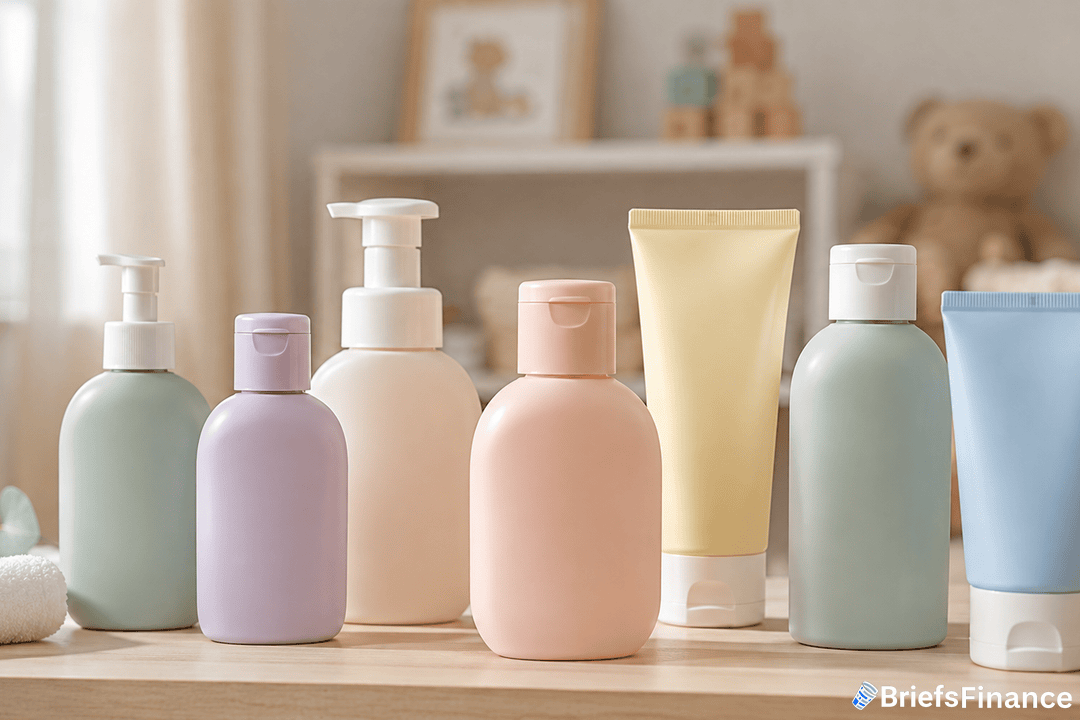
The line targets a group that often gets skipped: kids who are done with baby gear but not ready for adult products.
CEO Chelsea Hirschhorn, a mother of four, kept noticing the same problem on her own shopping trips.
The baby section had plenty of options, the adult section had plenty of options, and the space between them was mostly empty.
"It's a glaring gap," she told CNBC. "When I'm done with tear-free baby shampoo, strolling the aisles of the personal care section, the only thing that jumps out is … the section for men."
Frida designed the new products specifically for that 6 to 11 age range, leaving out ingredients that are not right for kids.
That matters to parents who do not want to hand their kid a product made for a teenager.
The launch also comes with a Walmart partnership, which is expanding its kids' care section.
Hirschhorn said Walmart saw an opportunity to put tween deodorant, shampoo, nail care, and oral care all in one dedicated spot, because parents want convenience above all else.
Get the free Always Be Buying eBook and learn the simple system for building wealth on any income
She also pointed out that parents graduating from the diaper aisle are used to a scattered shopping experience.
There was no single place to find all the personal care products a 6- to 11-year-old needs, which is part of what Frida is trying to build.
A Market That Keeps Growing
The timing lines up with a bigger trend.
Frida already knows how to grow.
Its product lineup now covers pregnancy, postpartum, baby, and kids' categories. That range gives the company a chance to keep families as customers for longer.
Retailers are also paying more attention to younger shoppers.
Stores are putting more focus on the youngest consumers, Generation Alpha, which is exactly the audience Frida is chasing. That focus is one reason the market is expected to keep climbing.
What It Means for Your Portfolio
For investors, this is a sign that consumer spending does not stop at the baby aisle.
The trend reaches beyond Frida.
When a retailer like Walmart carves out a dedicated section for a new category, it is usually a signal that demand is heading that way.
For anyone holding retail or consumer stocks, watching which brands win that shelf space is a way to track where consumer dollars are moving. It is also a reminder that the biggest consumer shifts often start in everyday aisles.
The bigger lesson is about how spending shifts in stages.
The companies that figure out how to serve the in-between years could be the ones that keep showing up in earnings reports. Making the jump from baby care to big-kid care feel natural is the hard part.
For parents, it means the in-between years finally get a little more shelf space.
For your portfolio, that is the kind of steady, real-world demand that tends to compound over time.
Download the free Always Be Buying eBook and start putting your money to work today