China Just Overtook America's Spot
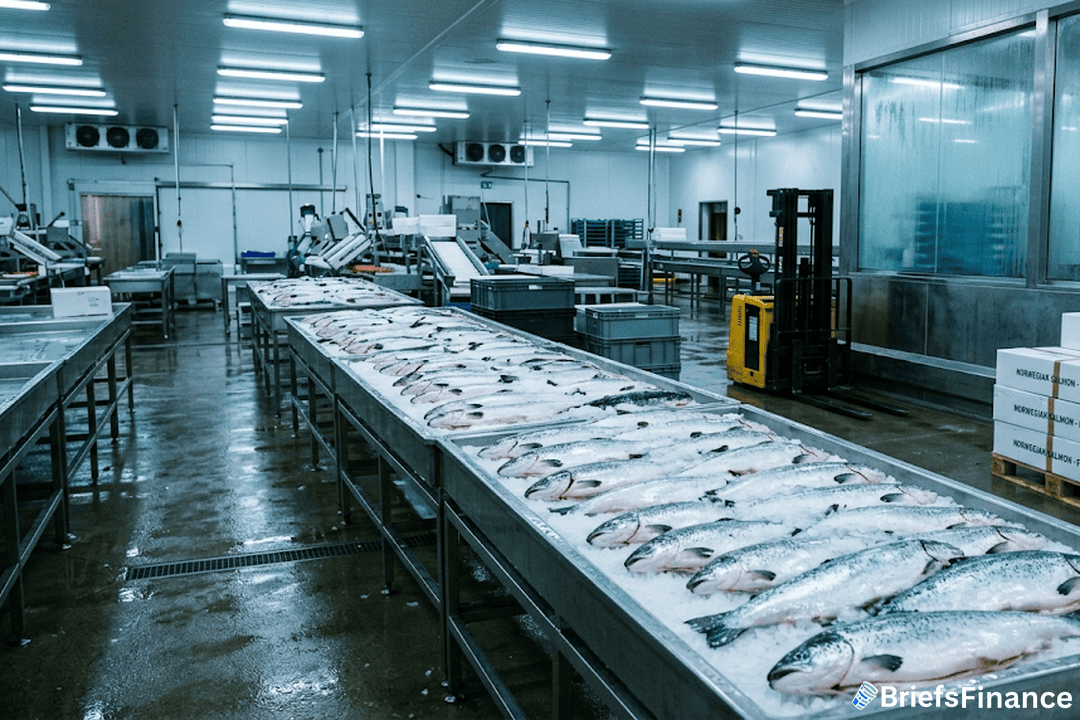
China just moved up the list of buyers for Norwegian seafood. In July, it became something bigger: the second-largest buyer of Norwegian salmon in the world.
Norwegian shipments to China hit 12,464 tonnes in July, a monthly record. The Norwegian Seafood Council made the numbers public on Wednesday, August 5, 2026.
The latest ranking put China just behind Poland, with the Netherlands in third.
The US did not make the podium this time. A year earlier, it had been Norway's second-place buyer.
Tariffs Are Redrawing the Route
What changed? The answer is tariffs.
President Donald Trump imposed a 15% tariff on Norwegian goods last year, making it pricier for salmon companies to sell into the US. That push is one reason exporters started looking for other buyers.
Since last month, a newer set of US tariffs has put a 12.5% charge on Norwegian imports. It is the latest turn in a trade fight that keeps changing the math.
Under that same system, EU imports face a 10% US tariff. So the incentives point the other way.
Get the free Always Be Buying eBook and learn the simple system for building wealth on any income
Exporters are looking for buyers who do not charge extra at the border. That search is visible in the July numbers.
That does not mean Norway sold less fish. It means more of its catch landed somewhere else.
Exporters Found a New Buyer
Norway's salmon industry is not a collection of little fishing boats. It is anchored by giants like Mowi and Salmar, two of the world's largest salmon producers.
When tariffs make the US market less attractive, the whole industry has to find new customers. The July totals show what happened.
The 147,891-tonne volume was a record for the month.
That volume was up 10% from July of last year.
The value was 11.6 billion kroner, or $1.2 billion. That was a July record for value too.
"Part of the demand could also be attributable to the success of the Norwegian men's football team in the World Cup last month," Christian Chramer, Chief Executive of the seafood council, said.
Those rankings show that Norwegian exporters are still serving a broad set of markets, even as tariff costs reshape the sales map.
What This Means for Your Money
Trade fights rarely stay in Washington. They show up in supply chains, in company earnings, and in the list of countries a business calls its biggest customers.
For investors, the story in this data is not just fish. It is how quickly a market map can change when tariffs get involved.
Tariffs are not just a policy story. They are part of the ordinary math that decides where companies can grow.
Salmon is just one example. Any business that sells across borders faces the same math.
A Norwegian salmon company used to count on the US as its second-largest buyer. Now it counts on China, and that kind of shift can change which firms benefit, which regions grow, and how much risk sits in your portfolio.
The next few months will show whether China holds this spot or the US claws it back. But for now, the salmon are swimming in a different direction.
Download the free Always Be Buying eBook and start putting your money to work today