A Long Trip Ends With a Bang
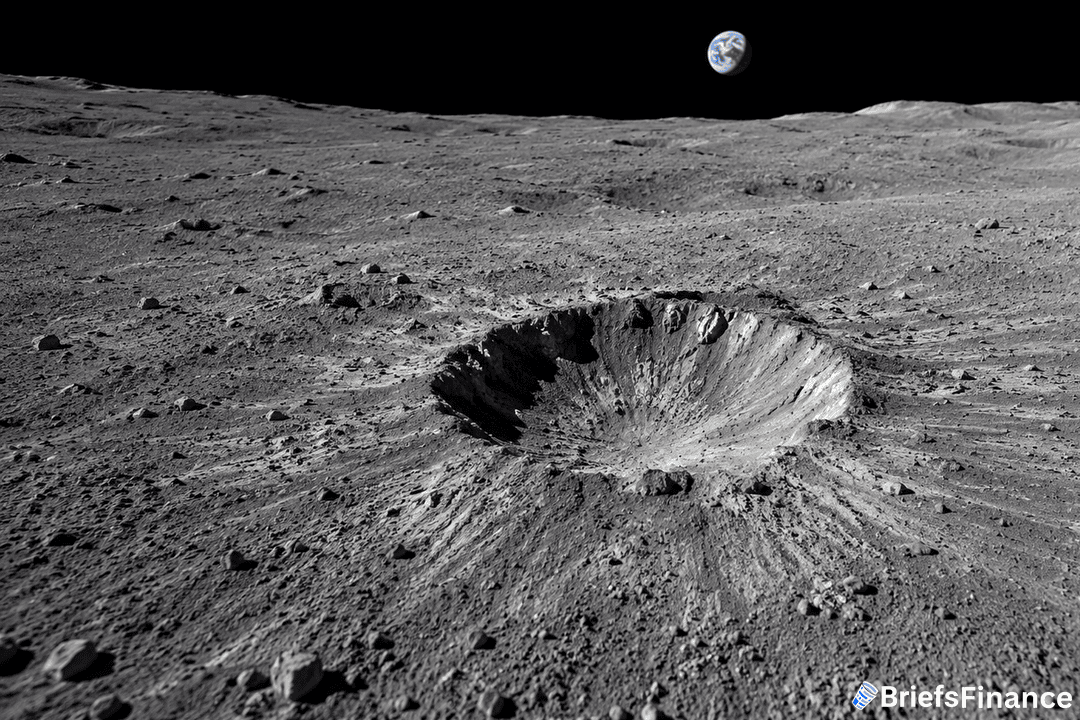
The moon has a new crater, and a stray piece of a SpaceX rocket put it there.
Astronomers think the leftover upper stage from a Falcon 9 rocket crashed into the moon in the early hours of Wednesday, August 5, 2026.
The upper stage is the part of a rocket that finishes the job after the first section falls away. This one did its work, then kept flying.
For about 18 months, it looped around Earth, occasionally drifting close to the moon before finally hitting it near the Einstein and Bell craters on the side that faces us.
Bill Gray, who had been the first to foresee the impact, worked with other astronomers to determine exactly when and where it would occur.
The moon is used to hits. It has no thick atmosphere to burn up incoming objects, so meteorites slam into it all the time.
In 2022, a leftover part from a Chinese rocket made a similar hole. NASA has also deliberately crashed spacecraft into the moon to study the material thrown up by impacts.
Like the Chinese stage, this Falcon 9 upper stage was not aimed at the moon. It was left in orbit after completing its job, and over 18 months its path drifted until it crossed the moon's. With no atmosphere to slow it, the stage hit at full speed.
Natural impacts have shaped the moon's surface for billions of years, and human-made craters are only a small addition to that long history. The agency is applying the same curiosity to this accidental strike.
Get the free Always Be Buying eBook and learn the simple system for building wealth on any income
What This Crash Is and Isn't
NASA Administrator Jared Isaacman tried to keep the crash in perspective. He told Fox News, "It is very infrequent to have a Falcon 9 second stage hit the moon," and added, "It's not a big deal right now. The moon has clearly seen better days."
The bigger issue is why the stage was still wandering. Spacecraft operators usually try not to leave uncontrolled hardware in orbit, so SpaceX and others dispose of spent rockets or put them on paths that avoid other satellites.
Bill Gray warned about what happens when operators slip. "The more junk you have, the more likely such collisions become, and the product of a collision can be still more smaller bits of junk," he wrote.
NASA was watching closely. Lunar spacecraft - including the Lunar Reconnaissance Orbiter - tried to photograph the event.
There is a real trade-off. NASA says launchers sometimes have limited disposal options, but controlled disposal is preferred, and for some low-lunar-orbit missions, putting an upper stage on the moon is safe and technically accepted.
Controlled impacts are often chosen because they give predictable and trackable results at the end of a mission.
What It Means for Investors
The timing was awkward for SpaceX. The company had just released its first earnings report after a summer IPO, or first sale of stock to the public, that was the largest ever, and executives did not mention the looming lunar collision on their Tuesday earnings call.
SpaceX's stock was listed at 115.16.
That was an 8.11% move.
Firefly Aerospace, which had a spacecraft on that same launch, was listed at 22.55.
The small launch company moved 3.34%.
For investors, the moon crater is less important than the lesson underneath it. The space business is growing fast, and growing businesses leave stuff behind.
That junk does not stay still. It orbits, drifts, and occasionally crashes into something.
The companies that build a reputation for cleaning up after themselves may earn a real advantage. The risk is not a new scar on the moon. It is a sky full of debris and a race to avoid the next collision. That race is already shaping how launchers build, price, and dispose of their hardware, and the next earnings reports are where investors will see the cost.
Download the free Always Be Buying eBook and start putting your money to work today