What Happened and Why It Matters
A nasty parasite is making its way through the country's salad bowls. The Cyclospora bug spreads through contaminated produce and loves hot summer weather. Georgetown University's Health Security Operations Center compiled data indicating that over 8,260 confirmed cases have been logged by state and federal health agencies.
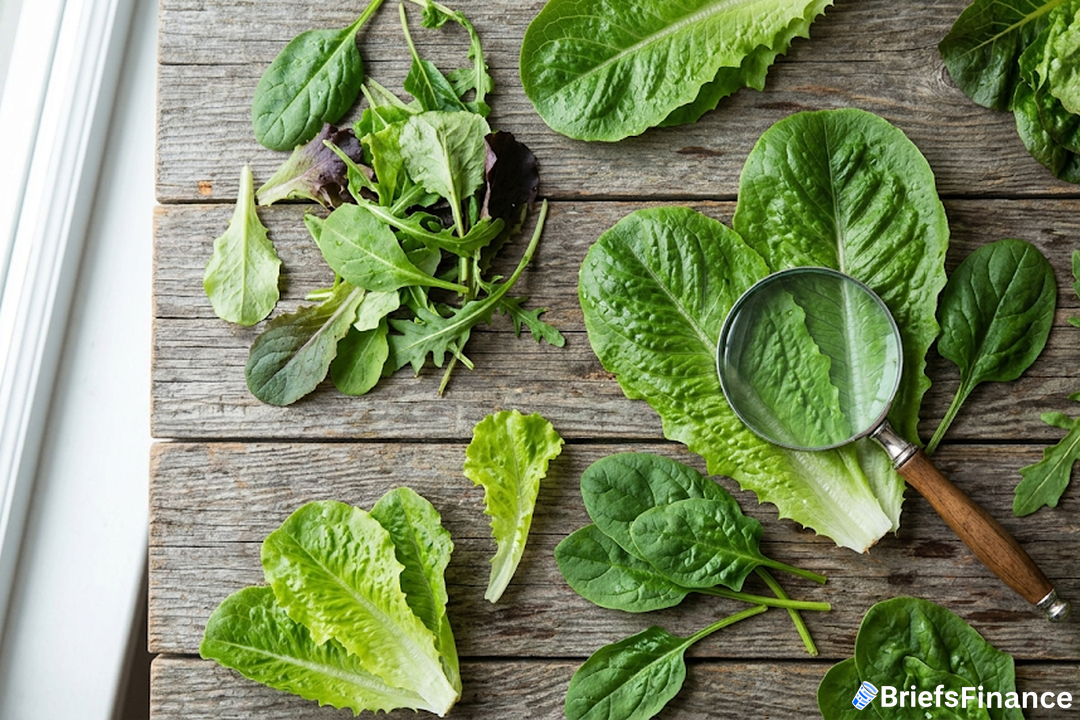
Cyclospora cayetanensis is a microscopic parasite that causes intestinal illness, typically transmitted through contaminated food or water. Outbreaks flare up during warm, humid months, with leafy greens often serving as a vehicle - though berries, herbs, and other produce have been linked in past outbreaks.
Taylor Farms, a California-based salad company, announced a voluntary recall of all iceberg lettuce obtained from central Mexico for the U.S. market after the outbreak was identified. For anyone who eats raw greens, this is a reminder that produce - especially during warmer months - carries real health risks.
Get the market news that matters in a five-minute read with Market Briefs, our free daily newsletter
Infectious disease specialist Dr. Tyler Evans, who practices in California, offered a three-tiered approach for deciding whether to eat lettuce. The lowest risk is to avoid lettuce entirely and choose only vegetables cooked to at least 158°F, the temperature that kills the parasite. Medium risk involves buying whole heads of lettuce, peeling off the outer layer, and washing thoroughly. The highest risk, Dr. Evans said, "is eating raw, unwashed leafy greens, especially bagged pre-chopped lettuce and salad kits, which have been the most common source of cyclosporiasis outbreaks in recent years."
What This Means for Consumers
The recall affects only Taylor Farms iceberg lettuce from central Mexico, but public health experts say it is unlikely that all contaminated produce has been cornered. The outbreak has hit hardest in seven states: Colorado, Illinois, Indiana, Michigan, New York, North Carolina, and Ohio - though this could reflect better disease detection rather than a higher actual infection rate.
Dr. Evans, author of "Pandemics, Poverty, and Politics," said deciding whether to eat salad depends on your risk tolerance and where you live. "I'm a very risk-tolerant infectious disease doctor," he said. He added that he had recently eaten a salad in California, a state not experiencing high levels of cyclosporiasis.
For people who are older, immunocompromised, pregnant, or under the age of 2, Evans recommends completely refraining from all leafy greens for the time being. In previous outbreaks, the parasite has also been found on raspberries, snap peas, snow peas, and fresh herbs like cilantro, basil, and parsley. It is possible that none of these items are part of the current outbreak and that only leafy greens are affected, but that cannot be confirmed.
The Outlook Going Forward
According to public health authorities, the outbreak may persist through the end of August at worst. "Once the temperatures start dipping, we should be in the clear again," Evans said. But he added, "the systems can do a lot better. There's some degree of acceptable risk in terms of the seasonality outbreaks, but we can do better in terms of detecting and responding to these things."
For now, the safest move is to know what you're eating. Cook your greens to 158 degrees if you are worried. And monitor your area's case counts to guide your choices.
Join Market Briefs, our free daily newsletter, for a quick daily rundown of the markets