The Pentagon Is the New Target
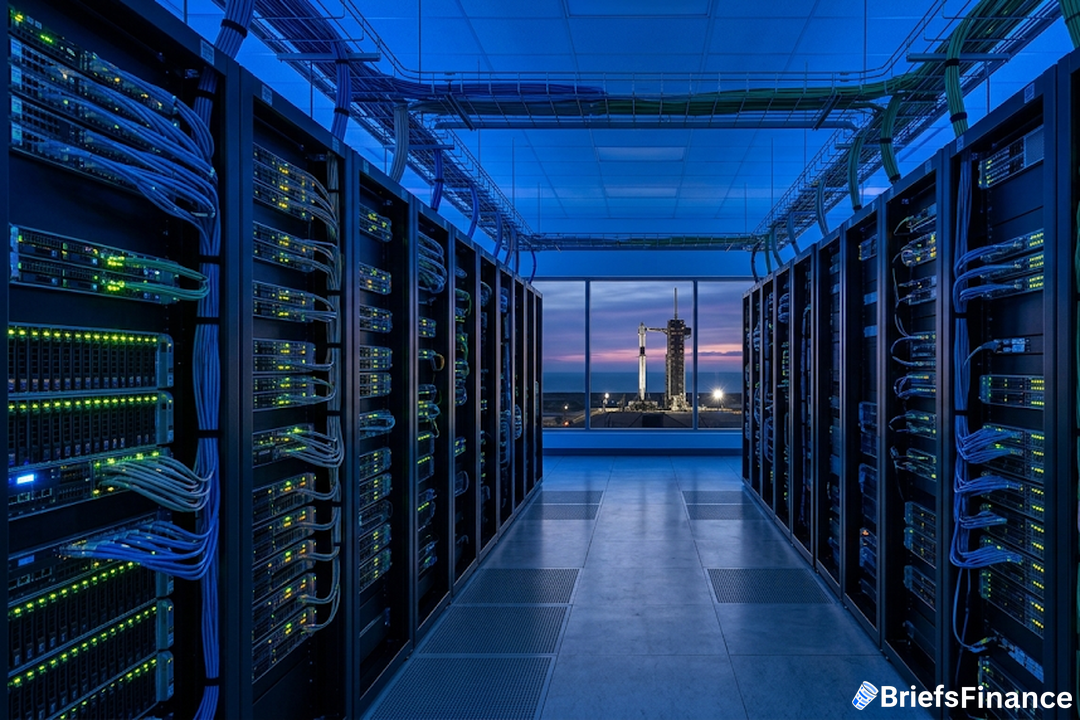
SpaceX's initial public offering took place just last month. Now it is already talking to the U.S. military about a deal that could be worth several billion dollars. The Wall Street Journal reported the talks, which center on SpaceX selling computing power to the Department of Defense. "The Pentagon wants to build data centers on its own installations," a Defense Department spokesperson said.
The company already does similar work for two big names. In June 2026, Alphabet's Google signed a cloud computing contract that will pay SpaceX $920 million each month. Additionally, Anthropic committed to a monthly payment of $1.25 billion for computational resources to power its Claude AI system.
Get the market news that matters in a five-minute read with Market Briefs, our free daily newsletter
These existing contracts highlight SpaceX's ability to provide large-scale computing power, which is critical for AI training and data processing. The Pentagon's interest in building on-site data centers aligns with a broader military push to leverage advanced computing for defense applications.
The negotiations with the Pentagon come as global demand for high-performance computing surges, driven by advancements in artificial intelligence. SpaceX's expansion of xAI data centers in Memphis and Mississippi positions it to meet this need, with facilities designed to handle massive training workloads for AI models like those used by Google and Anthropic.
Those numbers give you a sense of the scale the Pentagon deal could reach. This financial heft, along with the rapid expansion of xAI's data centers in Memphis and Mississippi, positions the company as a leading provider of computational infrastructure. The Pentagon's move to build its own data centers on military bases further underscores the growing demand for secure, high-performance computing - a need that SpaceX appears well-suited to meet.
Financial analysts on Wall Street are mostly optimistic about the company's prospects. A key driver of this positive sentiment is Musk's skill in securing infrastructure agreements and expanding SpaceX's AI operations.
The IPO, which took place in June, drew significant investor interest, but the subsequent stock drop reflects typical post-IPO volatility and market concerns about valuation. If finalized, the Pentagon contract could add billions to SpaceX's top line, further diversifying its revenue from rocket launches into high-margin computing services.
This potential military contract would mark a major shift for SpaceX beyond its core space launch business. The company's proven ability to build and manage vast data centers - evident from the Google and Anthropic partnerships - makes it a natural candidate for the Pentagon's secure, on-premises computing initiative. Meanwhile, the expansion of xAI's facilities in the South highlights SpaceX's growing infrastructure footprint, giving it the physical capacity to handle both commercial and defense workloads.
A Dip After the IPO
Join Market Briefs, our free daily newsletter, for a quick daily rundown of the markets