A Long Road Back From Disaster
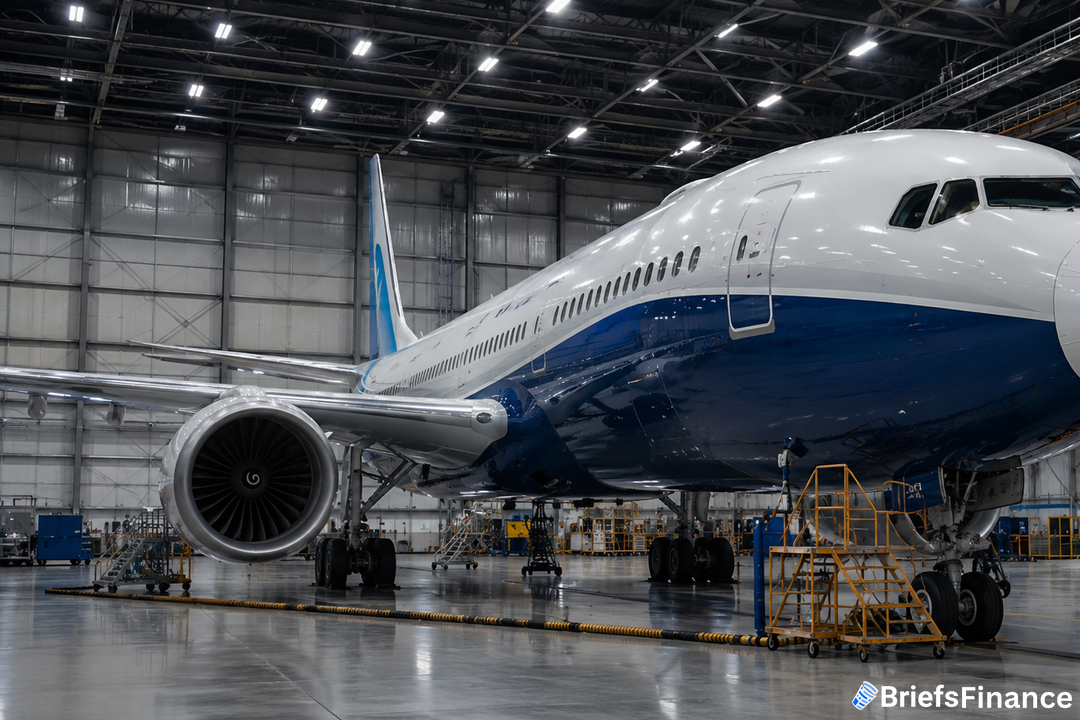
Following the two deadly 737 Max accidents that occurred in 2018 and 2019, the FAA revoked Boeing's authority to self-certify its aircraft. Instead, FAA inspectors had to sign off on every new 737 Max and 787 Dreamliner that rolled off the line.
That changed on July 17, 2026. The regulator said it had seen comparable production quality whether Boeing or the FAA issued the certificates.
The decision marks the end of a turbulent period for Boeing, which saw its reputation suffer after the crashes and the subsequent grounding of the 737 Max fleet. The crashes claimed 346 lives and triggered a global grounding of the 737 Max, as well as a comprehensive review of Boeing's certification procedures. Boeing poured substantial resources into safety upgrades and collaborated extensively with regulatory bodies to rebuild trust. The eight-month test program, which began in September 2025, was a critical step in demonstrating that Boeing's internal processes had improved enough to handle certification again.
Get the market news that matters in a five-minute read with Market Briefs, our free daily newsletter
But the reversal did not happen overnight. For eight straight months, the agency watched and compared the work.
The verdict? "During the past eight months, the FAA has seen comparable production quality findings when Boeing issued airworthiness certificates and when the FAA issued them," the agency said. "Based on these results, the FAA determined it can safely return this responsibility to Boeing."
The January 2024 Scare That Made Trust Harder
Getting here was not just about the 2018 and 2019 crashes. Boeing also dealt with the aftermath of a January 2024 incident that nearly ended in catastrophe, after a door plug separated from a 737 Max 9 just after takeoff. No one died, but it came close.
The January 2024 door plug separation exposed persistent flaws in quality control, leading Boeing to reduce output and implement more rigorous checks. Those corrective actions, combined with the eight-month test program, demonstrated to the FAA that the company had made lasting improvements.
The FAA's decision to restore self-certification does not mean Boeing gets a free pass. The company said it "will continue to work under the oversight of the FAA in building safe, high-quality commercial airplanes that comply with all airworthiness certification requirements."
This is a significant step for Boeing. The 737 Max and 787 Dreamliner are two of its most important aircraft. Being able to certify them internally allows for more efficient deliveries. The decision also signals that the FAA has enough confidence in Boeing's production quality to hand back the authority.
The restoration of self-certification is a crucial milestone for Boeing, as it allows the company to streamline delivery processes for the 737 Max and 787 Dreamliner, two aircraft that generate significant revenue. During the grounding, Boeing faced billions in losses and reputational damage. The eight-month test program was a rigorous evaluation of the company's quality management systems, involving random audits and comparisons of inspection outcomes. The FAA's decision signals that Boeing has addressed the root causes of the accidents and the door plug incident.
Join Market Briefs, our free daily newsletter, for a quick daily rundown of the markets