The $100 bill in your wallet buys a little less tonight than it did this morning, and it'll buy even less tomorrow.
The people running things claim prices were high when they took over, are falling now, and that they're doing a great job.
Yet the average person feels poorer than they did five years ago, because after years of inflation their savings and paychecks cannot buy as much.
It could get worse from here: Prices are not coming down, the job market is struggling, and the national debt just passed $40 trillion. On September 16, the Federal Reserve announces what it plans to do about it.
These changes will make most people poorer and the financially savvy richer. Our CEO Jaspreet Singh is running a free live workshop on September 29 on how to profit from the dollar losing value - save your spot here.
Why Everything Is So Expensive When Inflation Is "Only" 3.4%
Inflation is running at 3.4% right now. If your savings and your paycheck are not growing 3.4% a year, you are slowly getting poorer.
Between 2020 and 2026, cumulative inflation - the total price increase over the whole stretch - hit 32%. A paycheck that grew less than 32% buys less today than it did in 2020.
That 32% is an average but here is what happened to the things people actually need:
| What | Change, 2020 to 2026 |
|---|---|
| Median wages | +28% |
| Average grocery prices | +32% |
| Rent | +41% |
| Gas | +47% |
| Electricity | +48% |
| Car insurance | +64% |
| Ground beef | +79% |
Rent, gas, electricity, car insurance and ground beef all ran past the average, and wages trailed every line on the list.
If you have felt that pinch instead of getting richer from it, closing the gap is the point of Jaspreet's free live workshop on September 29. There, he'll show you how to use the changes coming from the Fed, from AI and from inflation to profit, even though the dollar is losing value.
The Official Number Skips Your Groceries and Your Gas
Two things make that average misleading. First, the inflation number tracks a broad basket of items, including furniture and toys, and things you never buy can pull the average up or down.
Second, it may be the wrong measuring stick altogether, because the government and the Federal Reserve don't like watching it either. They prefer core inflation - the inflation rate with volatile food and fuel costs stripped out.
In English: The number they watch leaves out your grocery bill and your gas tank. So when the news says inflation is coming down, prices are not coming down, and the Fed will tell you as much.
The 2% Target Is Why Everything Is So Expensive on Purpose
The Fed aims for 2% inflation.
Why 2%? Because our central bank and our government want inflation.
More infaltion can mean our economy is growing. But it also hurts the average person and makes some people richer.
Everything Gets More Expensive and the Investor Keeps the Difference
Our economic system has two kinds of people in it: Consumers, and investors who own the businesses. You can be a bit of both, but the money only flows one way.
The system runs on spending, and every one of us is a consumer. Spend money at Chipotle or Starbucks and you hand it to a worker.
The worker gets a salary. The investor who owns the place gets all the other profits, so money flows to the investor.
When the extra guac at Chipotle costs a whole lot more, more of your money goes to the business, but the worker does not see the extra.
Wages have not even kept up with inflation, so the extra dollars end up in the investor's hands. That is the first reason the government wants a little inflation.
A $40 Trillion Debt Needs Everything to Get More Expensive
The second reason goes back to the national debt. Inflation makes every dollar worth less, and that is a gift if you owe $40 trillion of them.
Picture buying a $500,000 house with a 30-year mortgage, financing every dollar, and the bank lets you skip payments for 30 years. Good deal or bad deal?
For most people, good. In 30 years that house will probably cost millions, so the debt will not feel as painful, and a payment that stings today might feel like peanuts.
Inflation ate the real cost of that debt. The government is in the same spot: Paying back $40 trillion with today's money is hard, but inflate away what those dollars are worth and the debt is not as painful.
The Fed says as much, publicly, on its own website. It wants inflation low enough that the average worker does not notice it day to day, and 2% clears that bar.
Once inflation reaches 3% or 3.5%, people feel it in their pockets every day and start asking questions.
Three Things Making Everything So Expensive Right Now
Money printing gets most of the blame, and it has been the story since the pandemic.
But three other things are pushing prices higher right now:
- The war in the Middle East. Everyone hoped it would be over by now, and it is keeping prices higher for longer.
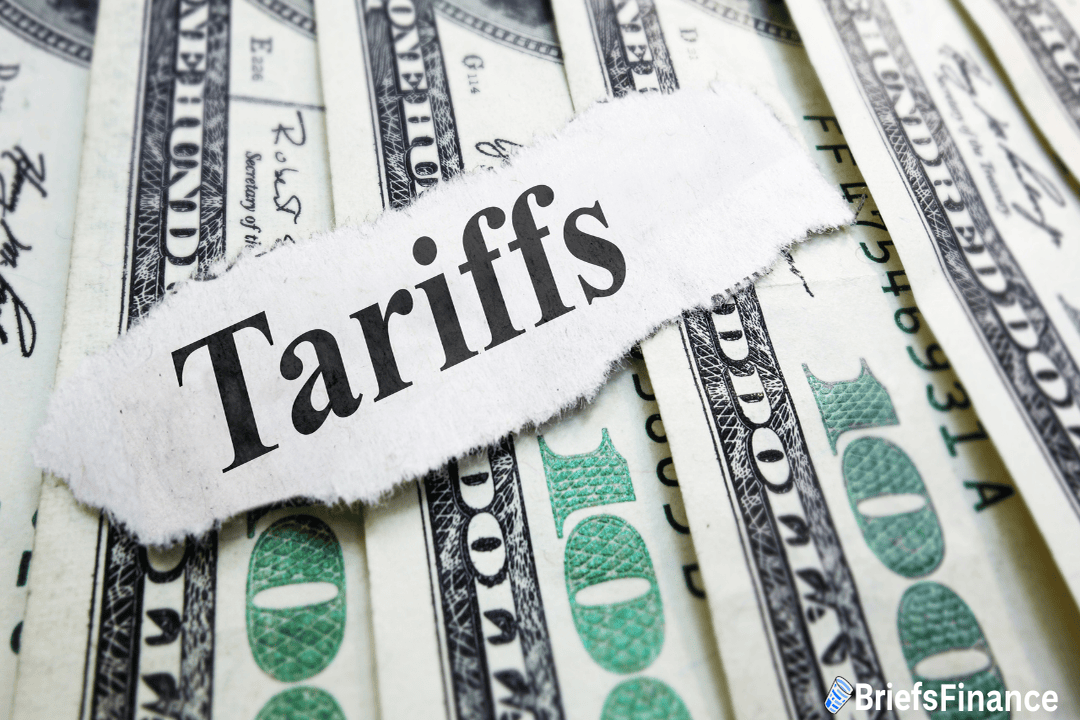
- More tariffs. A tariff is a tax a business pays to bring products into the United States, and 2026 has delivered more of them.
- AI data centers. AI has become a huge consumer of electricity, so energy prices climb, and energy sits inside the price of everything.
How Inflation Works: Gas Goes Up First, Your Raise Comes Last
This is how inflation works: Prices do not all rise at once, but certain things go up faster than others.
So why are gas prices going up before anything else? A war in the Middle East means higher oil prices, and gas follows oil straight to the pump.
Food gets hit second, because higher oil means higher diesel, and moving groceries from the farm to the warehouse to the store costs more. Farmers pay more to grow the food too, because producing it takes oil.
Goods come third: Cars, appliances and electronics, pushed up by oil and by tariffs.
Once it costs more to fill your tank, feed your family and buy a car or a TV, services go up. Your attorney, your dentist and your landlord need to make more money too, so service prices and rent rise next.
They rise slower than the rest, but they are stickier. Services and rent do come down, just more slowly than everything above them.
Wages come last, and least. Over the last six years inflation ran 32% while the median wage grew about 28%, so the raise shows up after the prices and never quite catches them.
Investors Got 150% Richer While Everything Got More Expensive
Who got richer? The investor.
Money parked in the S&P 500 - the broadest measure of the stock market - grew about 150% between 2020 and 2026.
Wages could not keep up with prices, and investments outran both.
Does the stock market only go up? No, and the last six years prove it:
- 2020: The market crashed.
- 2022: It fell 20%.
- 2025: It crashed three times as President Trump announced tariffs, pulled them back, announced them again, held Liberation Day, and pulled back again.
- 2026: Heavy volatility after the United States invaded Iran.
Over time, though, markets go up, and inflation pushes the stock market and other asset prices up with them.
Buying through drops like those instead of waiting them out is what separates the investors who got that 150% from the ones who watched it. Learn how to spot opportunities despite the dollar dropping in our free live investor workshop September 29, hosted by our CEO Jaspreet Singh.
September 16: Save the Dollar or Save the Economy
Every road leads back to September 16, when the Federal Reserve mets to give its next signal on how it plans to fix inflation and the economy.
Some wants rate cuts to stimulate the economy, at the cost of making inflation worse. Others want to raise rates and crash the economy to fix inflation.
The Fed's own line is wait and see, with a warning that rate hikes might come in 2026 to calm the economy down, because inflation is becoming a bigger problem.
So the real question for September 16 is what the Fed protects first: fix inflation and save the dollar, or fix the economy and risk crashing the dollar.
How to Start Investing When Everything Is So Expensive
Knowing what is happening is step one. Step two is getting your money in order before you invest a dollar.
That means a couple thousand dollars saved to cover an emergency, then paying off high-interest debt - credit cards and payday loans - before you even think about investing.
A credit card can cost 15%, 18% or 25% a year. The average stock market return has been about 10% a year over the long run, so paying off the card is the better return.
Step three is to become an investor, and that includes investing some time and resources into figuring out where your money should go.
Just owning the stock market has worked, but it might not be enough going forward. What to start doing about that right now is the rest of what Jaspreet covers in the September 29 workshop.
It is painful to hear, because none of us were taught to be investors. We were taught to be workers, and in this economic system the wealth goes to the investor.