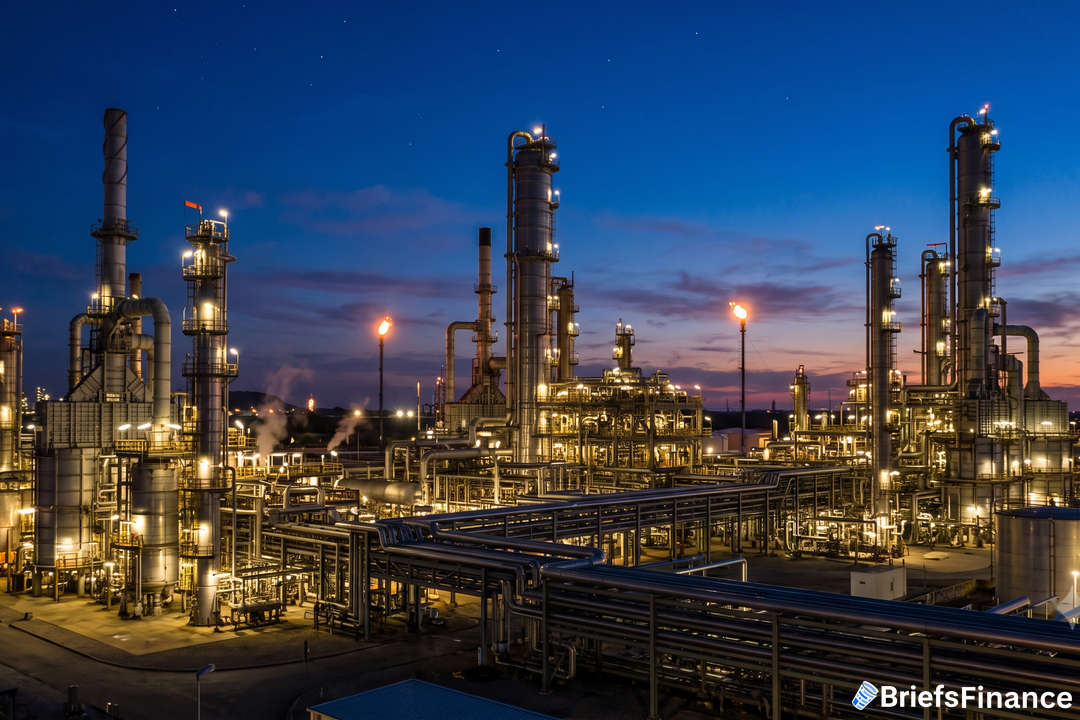
Refiners Are Raking It In
If you have filled up a car or a truck lately, you already know the pain at the pump. But the companies doing the refining are seeing something close to a bonanza.
That number is the highest ever recorded for a typical setup where three crude barrels are processed into two gasoline barrels and one diesel barrel. Gasoline margins remain close to the record peaks from June 2022, a time when U.S. pump prices reached historic highs.
So what is driving this? It is not just expensive crude - it is that the finished fuel itself is getting harder to find.
A Supply Chain Under Pressure
The problem is on the fuel side, not just the oil side. JPMorgan Chase & Co.'s head of commodities research, Natasha Kaneva, put it this way: "Distillate cracks in both the US and Europe have surged toward record highs - an indication that the shock is increasingly becoming a refining story rather than simply a crude supply story."
Get the market news that matters in a five-minute read with Market Briefs, our free daily newsletter
Translation: the pain is coming from not being able to get enough gasoline and diesel, not from the price of the raw oil itself.
A few things are all hitting at once. Following sustained Ukrainian drone strikes on its refineries over several months, Russia imposed a ban on most diesel exports. That squeezed global supply.
On top of that, fresh tensions in the Strait of Hormuz region are compounding the supply constraints. China also restricted its refiners from exporting gasoline, diesel, and jet fuel for months, which reduced how much fuel is available on global markets.
Meanwhile, persistent demand and unusually low stockpiles in the U.S. for this time of year make the market jumpy. Any surprise refinery outage could send prices higher fast.
What Comes Next
Refiners are already running their plants at their "practical operating ceiling" and deferring maintenance, according to Rapidan Energy. That makes the risk of unplanned outages higher, potentially boosting volatility. When they happen, there is very little spare supply to fall back on.
Should China re-enter the market vigorously, it might ease some of the strain stemming from Russia's reduced exports. But there is a catch - doing that would likely drive crude oil prices higher, because China would need to buy more of it. TD Securities' senior commodity strategist, Ryan McKay, put it bluntly: "It seems like a hard issue to fix without re-tightening the crude market."
The bottom line: Low fuel inventories and high geopolitical uncertainty mean the situation is fragile.
Join Market Briefs, our free daily newsletter, for a quick daily rundown of the markets