A Slow, Uneven Economy
The Federal Reserve just gave us its latest checkup on the U.S. economy. It is called the Beige Book - a report based on observations from all 12 regional Fed banks.
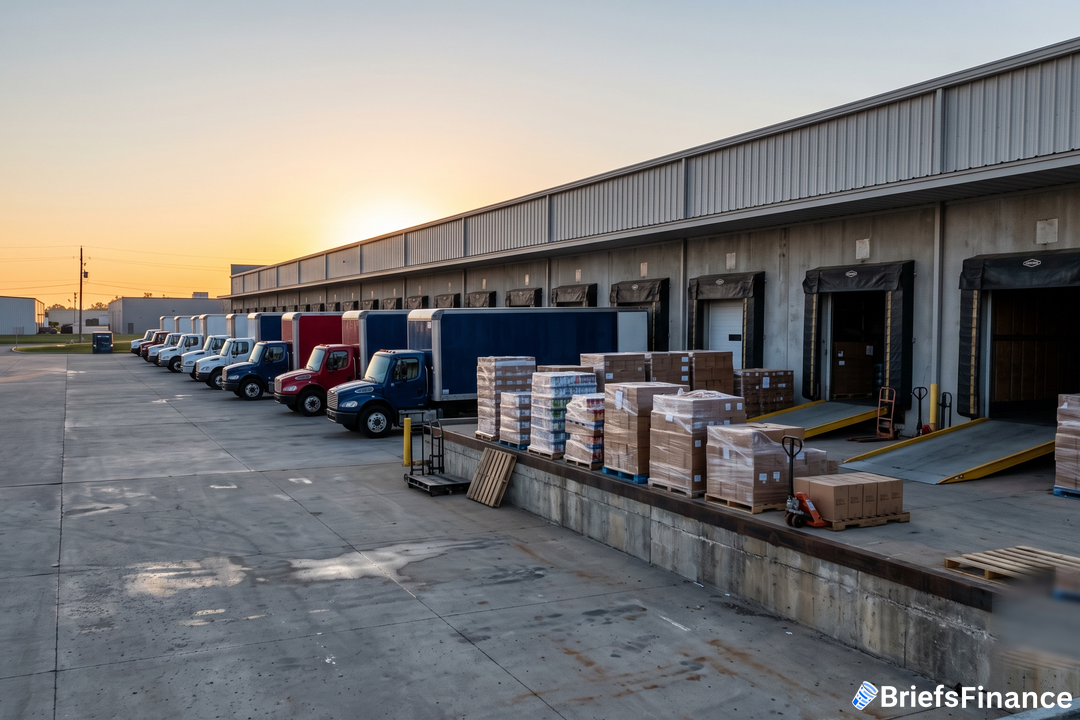
But there were bright spots. One Dallas staffing firm said June was its best month since before the pandemic. And in Atlanta, trucking volumes rose above the same period last year for the first time since 2021.
The report covers data collected through July 6 from the 12 regional Fed banks: Boston, New York, Philadelphia, Cleveland, Richmond, Atlanta, Chicago, St. Louis, Minneapolis, Kansas City, Dallas, and San Francisco.
Each regional Fed bank collects informal observations from local businesses, community groups, and other contacts to create the Beige Book. Policymakers use these observations to gauge economic trends ahead of Federal Open Market Committee meetings. This grassroots input helps the Fed understand how businesses are actually faring on the ground, beyond the official statistics, and often influences the tone of future policy decisions.
Get the market news that matters in a five-minute read with Market Briefs, our free daily newsletter
Prices Keep Rising, and the Reasons Are Complicated
Inflation is still the main worry. Monthly inflation fell in June, partly because gasoline prices eased. An interim peace deal between the U.S. and Iran briefly lowered gasoline prices for households. Then renewed fighting sent oil prices back up fast.
Across most regions, businesses reported that consumer prices kept climbing, and some noted that buyers were becoming more careful about spending.
The Federal Reserve itself put it this way: "Some contacts tied these cost increases to the conflict in the Middle East; others mentioned tariffs. Consumer prices continued to rise, and a few districts said contacts saw greater price sensitivity among their customers."
Kevin Warsh, the Fed chairman, and John Williams, president of the New York Fed, have each recently offered upbeat assessments of the inflation outlook. Nevertheless, several Federal Reserve officials have raised worries about persistently high inflation, cautioning that interest rate hikes may be necessary later this year.
Outlook
Going forward, firms anticipated ongoing economic expansion over the near term, though many districts highlighted significant uncertainty surrounding fuel costs. Regarding inflation, forecasts diverged: some districts projected inflation would hold steady at its current rate, while others anticipated a slowdown partly because of declining fuel prices.
The report said: "Expectations for price growth over the coming months varied across districts, with contacts in some expecting inflation to continue at its current pace, while contacts in others expected inflation to slow, in part due to falling fuel prices."
These mixed signals reflect the broader challenges facing the U.S. economy. The combination of geopolitical instability, trade policy shifts, and variable fuel costs has left businesses hesitant to make long-term commitments, even as overall growth remains positive. The Fed will weigh these grassroots reports carefully when deciding whether further rate adjustments are needed.
Join Market Briefs, our free daily newsletter, for a quick daily rundown of the markets