Prediction markets, the contracts that let users bet on elections, sports, and Fed decisions, are caught in a federal-state turf war. The CFTC just made a move to settle it.
The agency sent a new proposal to the Office of Management and Budget that would set federal guidelines for these "event contracts." Details aren't public yet, and the rule will be open to public comment.
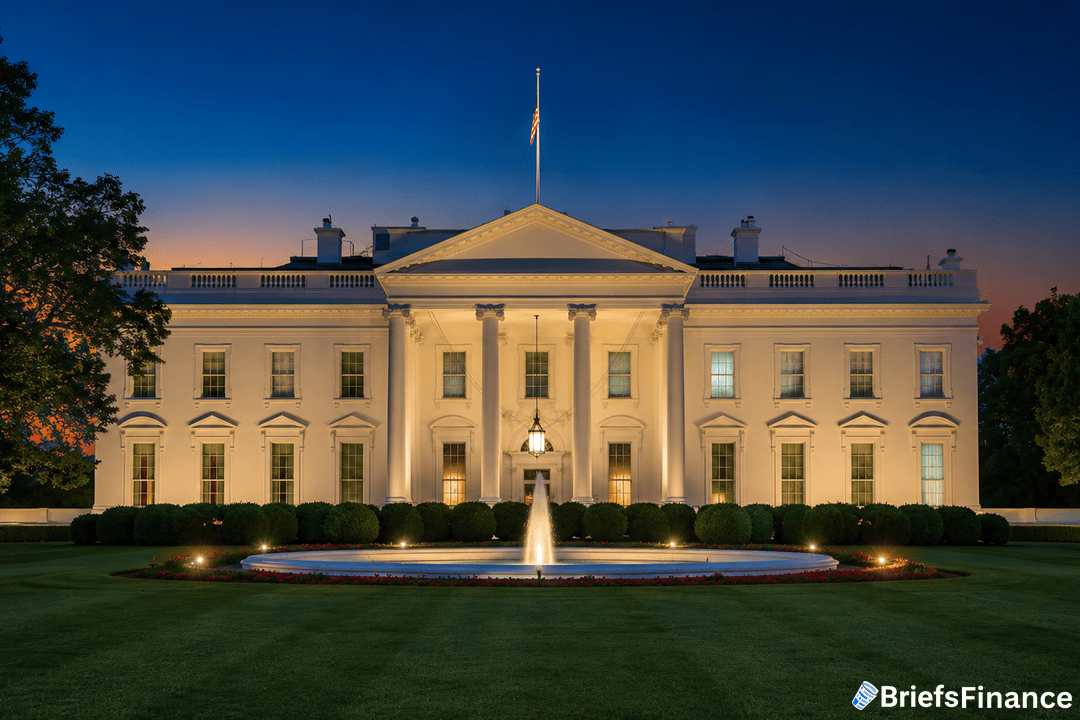
The White House review is the first step.
What The Rule Actually Does
The proposal is the federal answer to a problem the states have been creating in real time. The CFTC has been arguing all year that prediction markets sit solely under its jurisdiction.
States like Minnesota and Wisconsin have argued the opposite.
If the OMB clears the proposal, the CFTC gets a written framework it can point to in court the next time a state tries to ban a platform. If it stalls, the agency has to keep fighting state by state.
President Trump made the federal preference clear on Tuesday in a Truth Social post: "It is critically important that the CFTC's exclusive authority over Prediction Markets is maintained." He praised CFTC Chair Michael Selig and said the US can't afford to lose its lead in this market.
Want a daily read on stories like this one, and what they mean for your money? Market Briefs breaks it down in five minutes a day, plus a free investing masterclass when you join.
The States Are Not Backing Down
The federal preemption push is happening because states have been doing the opposite.
Minnesota became the first state to ban prediction markets, with Governor Tim Walz signing a bill that makes operating or advertising one a felony.
Wisconsin sued five platforms (Coinbase, Kalshi, Robinhood, Polymarket, and Crypto.com) for what it called illegal sports betting.
Wisconsin's attorney general Josh Kaul called the administration's counter-lawsuit a "federal power grab." Illinois governor JB Pritzker followed by barring state workers from trading on yes/no exchanges.
Critics across both parties argue prediction markets allow wagers on dangerous outcomes, including deaths, election results, and military strikes overseas. Those concerns led House Oversight Chair James Comer to open a probe into Kalshi and Polymarket over potential insider trading.
The Conflict-Of-Interest Question
Trump's son Donald Trump Jr. is an advisor to both Kalshi and Polymarket, and an investor in Polymarket. That detail will follow this rule from the moment it lands.
Critics will frame it as a family-business assist, while supporters will frame it as picking winners the US wants to keep onshore.
What To Watch
OMB reviews typically take weeks, not days. The proposal still has to clear public comment after that, which means a final rule is months away in the best case.
Until then, the action is in court. Each state lawsuit is a test case for whether the CFTC's framework will hold up.
The federal answer is on a White House desk, while the state answers sit on multiple court dockets.
If you want this kind of read on the market every morning, join Market Briefs and pick up a free 45-minute investing course when you sign up.