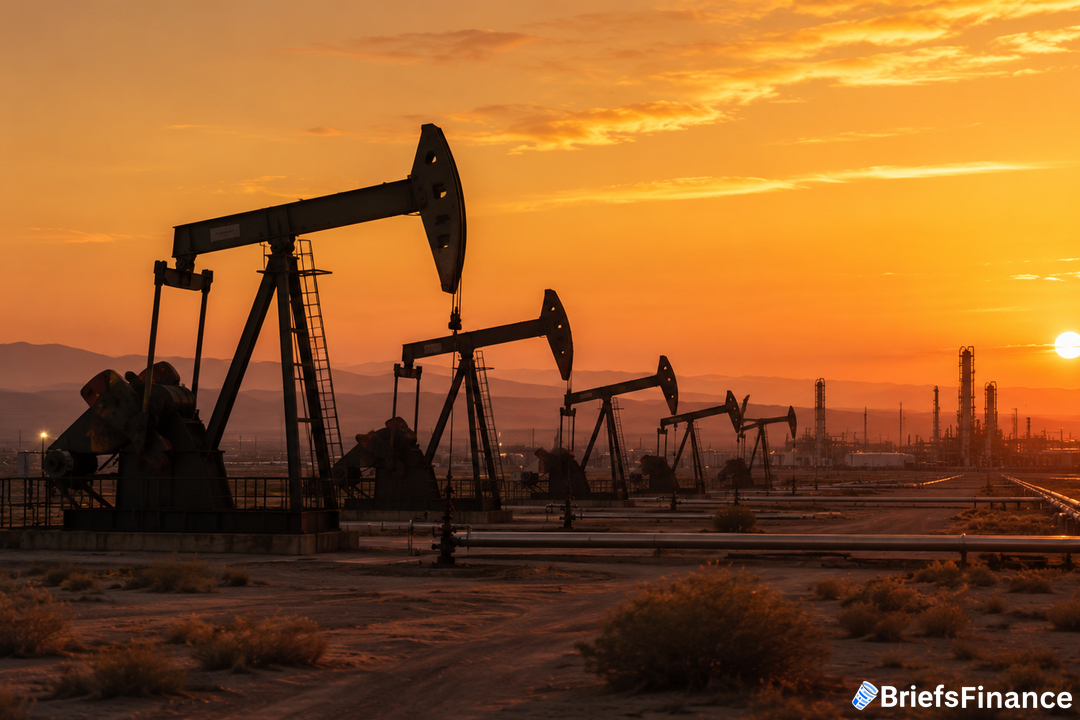
According to two informed sources, OPEC+ intends to pause any further increases in production quotas after a final scheduled rise in September. The producer group continues to assess how the Iran war is rapidly altering global supply dynamics.
War-Induced Supply Disruptions
The ongoing conflict has already compelled key Middle Eastern OPEC+ members to reduce output and exports, making the planned quota hikes largely symbolic. During the war, Iran has been attacking vessels traversing the Strait of Hormuz, creating uncertain production losses that complicate OPEC+'s decisions on supply levels and amplify price volatility. These disruptions render nominal quota adjustments meaningless as actual barrels reaching the market shrink.
The alliance is currently preparing to confirm a September quota increase of 188,000 barrels per day during a virtual meeting on Aug. 2, the delegates said, requesting anonymity because they are not authorized to speak publicly. That increase will complete the current round of scheduled hikes. "The plan could be altered depending on evolving circumstances," a delegate noted.
Get the market news that matters in a five-minute read with Market Briefs, our free daily newsletter
Saudi Arabia's energy ministry did not immediately respond to an emailed request for comment. A call to OPEC's headquarters went unanswered.
In reality, the conflict has made the quota increases inconsequential, as key Middle Eastern members of the group have had to cut back heavily on production and exports.
The War's Disruptive Impact on OPEC+ Strategy
The Iran conflict has fundamentally upset OPEC+'s carefully laid production plans. Key producers such as Saudi Arabia, the United Arab Emirates, and Kuwait have reduced their actual output due to security concerns and damage to infrastructure, even as their nominal quotas remained unchanged. This disruption means that the group's official quota increases have little effect on actual barrels reaching the market. The resulting uncertainty has left OPEC+ ministers in a reactive mode, delaying decisions until they can better gauge how much oil is truly offline and for how long.
Broader Implications for Oil Markets
The war has introduced an unprecedented layer of unpredictability to OPEC+ decision-making. While the group had originally intended to gradually unwind production cuts over the course of 2026, those plans have been overtaken by events. Physical supply losses from the Middle East now far exceed the modest 188,000-barrel-per-day increase scheduled for September.
Analysts estimate that actual output from Gulf producers has fallen by several hundred thousand barrels per day due to damaged infrastructure, diverted shipping, and precautionary shutdowns. This disconnect between nominal quotas and real production could persist for months, leaving global oil markets heavily reliant on spare capacity outside the conflict zone.
The Iran conflict has also raised concerns about the security of the Strait of Hormuz, a critical chokepoint for global oil shipments. Any prolonged disruption could further strain supply chains and push prices higher, complicating OPEC+'s efforts to manage the market.
Join Market Briefs, our free daily newsletter, for a quick daily rundown of the markets