A Familiar Brand Bows Out
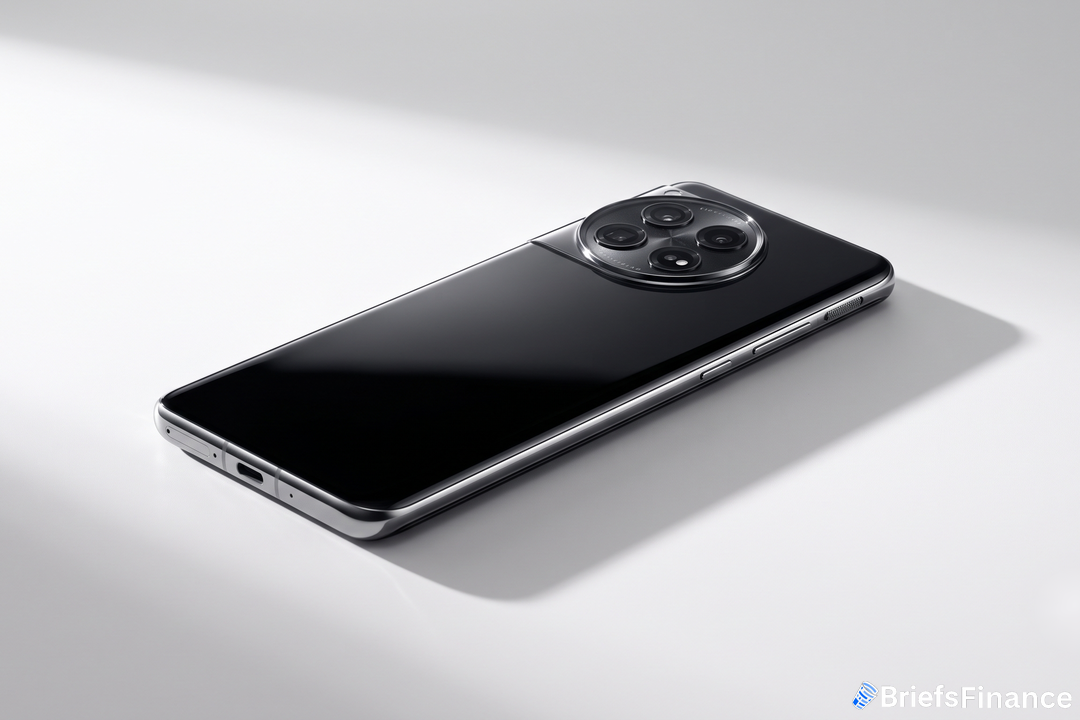
As part of a broader reorganization at parent company Oppo, OnePlus will cease selling phones in the United States and Europe, according to a source familiar with the situation.
"This decision could be implemented as soon as this week," said the source, requesting anonymity because the details are not public. The shift is part of a broader corporate reorganization at Oppo (Guangdong Oppo Mobile Telecommunications Corporation Ltd.), the source added.
Realme, a separate phone brand under Oppo, will also withdraw from the Chinese market. OnePlus will continue operating in China, but its phaseout is expected to reach other regions, such as India, sometime in 2027.
Representatives for both Oppo and OnePlus refused to provide a statement.
Get the market news that matters in a five-minute read with Market Briefs, our free daily newsletter
OnePlus was founded in 2013 and quickly became known for selling phones with top-tier specs at budget-friendly prices, earning a reputation as a "flagship killer." Over the years, it expanded its product line with the more budget-oriented Nord series. As competition intensified and supply-chain pressures mounted, OnePlus increasingly integrated with Oppo, sharing resources and software. The current restructuring marks the latest step in that consolidation.
Why Oppo Is Pulling the Plug
The decision stems from financial difficulties in Oppo's handset operations and weak sales traction in the US, Europe, and India. Additional factors include geopolitical risks for a Chinese company selling devices in America, as well as a trade-secrets lawsuit filed by Apple Inc.
Under the new strategy, Oppo will concentrate on Central Europe and market Realme products in Nordic countries - Finland, Denmark, Sweden, and Iceland - where it has performed better.
In America, Apple and Samsung still hold the majority of the market. OnePlus trails even smaller players such as Motorola (owned by Lenovo Group) and Google (a unit of Alphabet Inc.).
In its home market, Oppo has performed relatively well, though it still lags behind leaders Huawei and Apple. However, rising memory costs and higher phone prices have dampened overall smartphone demand. The ongoing component scarcity has also made it harder for manufacturers to produce affordable devices - a segment that was central to OnePlus's "Nord" series.
The early OnePlus phones received favorable reviews thanks to their combination of strong performance, clean software, and affordable price point. The brand's latest flagship, the OnePlus 15, faced a troubled launch in the US after being postponed because of the previous year's government shutdown.
What This Means for OnePlus Fans and the Market
The exit from major Western markets represents a significant retreat for a brand that once challenged established players. OnePlus loyalists in the US and Europe will soon have to find alternatives - likely from Samsung, Google, or Motorola. The move also highlights the increasing difficulty for Chinese smartphone makers to gain footholds in regions facing trade tensions and regulatory scrutiny. Oppo's decision to focus on Central Europe and Nordic markets reflects a more targeted approach, while the broader consolidation under its parent company signals that the era of multiple discount brands may be coming to an end.
Join Market Briefs, our free daily newsletter, for a quick daily rundown of the markets