Nvidia's message at COP31
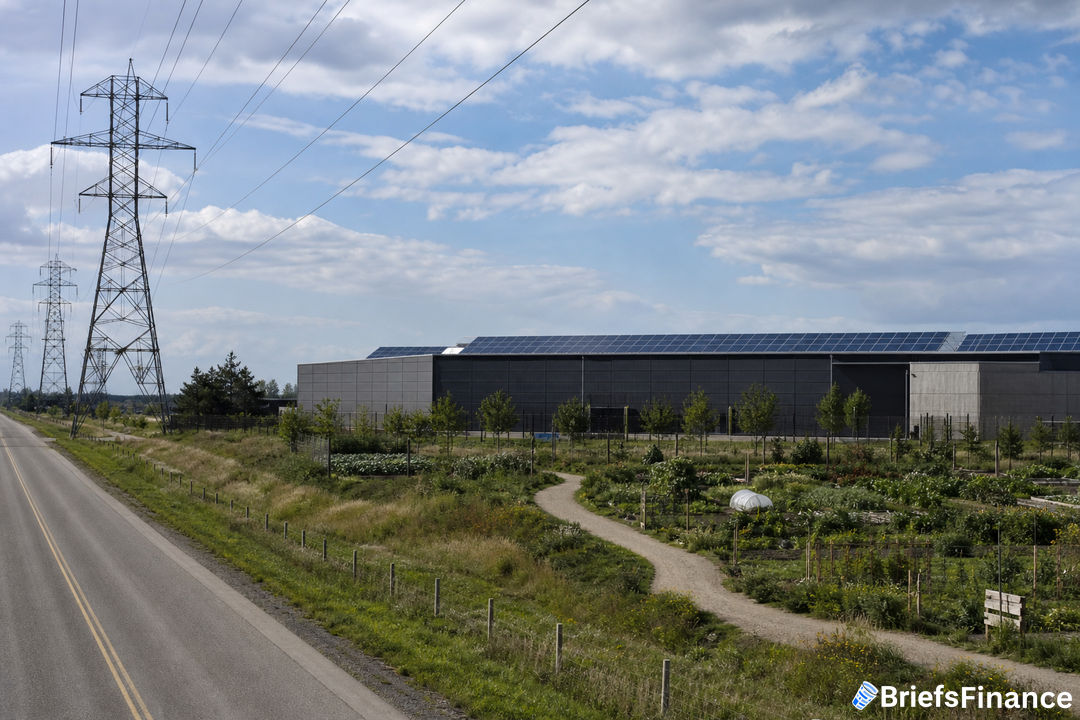
Nvidia wants AI infrastructure to win over local communities, not alienate them. "The way we think about AI and and data centers in particular, is that data centers can be - and should be - an asset to communities," said Josh Parker, Nvidia's head of sustainability, during a Bloomberg Green session at COP31 in Turkey. He added, "There are bad ways to build data centers, but there are many, many good ways to build data centers as well."
Parker said Nvidia has "been focusing on innovation" to boost the sustainability of these facilities, calling out energy efficiency and water conservation as priorities. He declined to comment on Nvidia Chief Executive Officer Jensen Huang's acknowledgment of a relationship with a woman whom multiple outlets have described as potentially working for China's intelligence services, and said simply that Nvidia's sustainability commitment is unchanged.
Politics, markets, and the pressure to regulate
Opposition to AI power infrastructure has intensified in the US and Europe, and the strength of community anger has reshaped politics. A tech selloff last week was driven in part by expectations that the US midterm results will usher in tougher AI rules, including tighter rules on power and ecology requirements for data centers.
Understanding the infrastructure behind tech can give investors a smarter long term perspective. We're hosting our first ever investor livestream on 11/17 to show you how to use ChatGPT and Claude to invest like a pro, hosted by Briefs Finance CEO Jaspreet Singh. Save your seat.
Parker also pointed to corporate demand reshaping the energy mix. In the US, he said hyperscalers accounted for no less than 75% of corporate clean-energy buying last year. "Those investments are going to pay off," Parker added, noting the current demand signal is clear: "we need more clean tech, we need more clean energy."
Why the grid now sits center stage
Scaling AI will require big spending to expand and modernize power networks. Turkey set a COP31 objective of securing agreement from countries that 35% of global final energy consumption will come from electricity by 2035, compared with roughly 23% today, per a September International Energy Agency estimate.
JPMorgan Chase's Luke Nelson, head of international sustainability, put it plainly on the same panel: "The number one enabler that we see is actually the grid." A reliable grid, he said, underpins targets for electrification, energy security, affordability, reliability and sustainability. Parker said that over time these investments should improve the climate because AI can streamline and optimize power systems. "I think it's inevitable, actually, that AI will help us drive net emissions reductions," he said.
What this means for your portfolio
AI investors are navigating choppy stretches as policy risk collides with infrastructure limits and soaring electricity needs. The IEA said in April that electricity consumption from AI-focused data centers will be triple by the decade's end, and that, by then, data centers overall would make up roughly 3% of worldwide electricity demand. That is why siting, permitting and grid buildouts are turning into market drivers for chips, utilities, clean energy developers and financiers.
Keeping up with new tools and trends helps investors make more confident decisions. On 11/17, our CEO Jaspreet Singh goes live for our first ever investor livestream on how to use ChatGPT and Claude to invest like a pro. Register to join him.