What Siemens is buying and why it matters
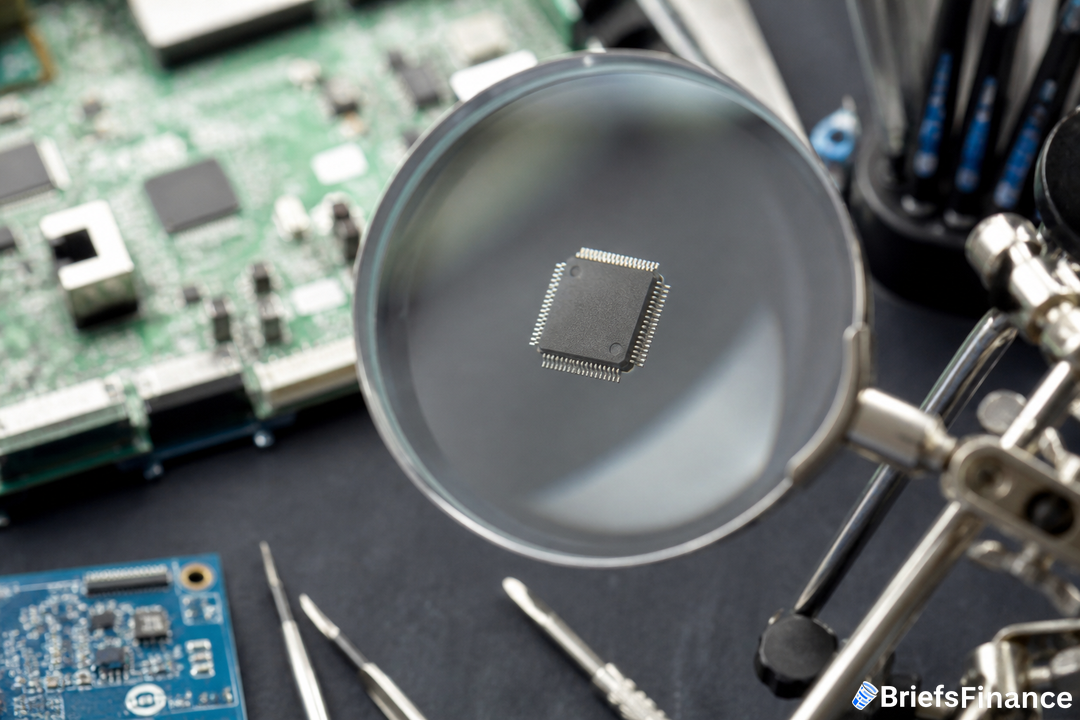
Siemens says Lauterbach builds tools that help engineers spot bugs where advanced chips meet the software that runs on them. The goal is faster development, better quality and, in Siemens' words, meaningful revenue synergies.
Cedrik Neike, who runs Siemens' Digital Industries division and sits on the management board, put it simply: "We continue to expand this portfolio because chips are becoming increasingly complex." He added that Siemens "will definitely keep investing."
Neike called Lauterbach a leader in its corner of the market, covering tools that validate software on chips and on smaller prototype systems. The company was started by two brothers in 1979, operates close to Munich, the home base of Siemens, and counts major automotive, semiconductor and telecom firms among its 1,200 customers. Partnerships include Nvidia, Infineon Technologies, Advanced Micro Devices and Qualcomm.
How the deal fits Siemens' chip strategy
Siemens built its electronic design automation business - software used to design and check chips before manufacturing - through acquisitions, kicking off its entry with the $4.5 billion acquisition of Mentor Graphics in 2017. Over the past five years, it has made 14 deals in EDA and plans to keep going, according to Neike.
EDA is a small but pivotal corner of the chip world, where Synopsys and Cadence from the US sit alongside Siemens. The workload keeps getting tougher as artificial intelligence and more intricate processor designs raise the bar. Neike said that in some advanced projects, debugging can consume 50% to 60% of the verification stage.
New technologies quietly reshape long term investing, and informed investors can benefit. We're hosting our first ever investor livestream on 11/17 to show you how to use ChatGPT and Claude to invest like a pro, hosted by Briefs Finance CEO Jaspreet Singh. Save your seat.
This latest move follows a string of smaller buys. In July, Siemens agreed to acquire Precision Innovations and Defacto Technologies to add planning and verification tools.
Industry backdrop
Chipmakers increasingly have to think in systems, not silos. It is no longer only about the silicon, but also how it behaves with software, other chips and the larger hardware around it. Siemens is leaning into that shift with a wider design and simulation stack.
Rivals are expanding too. In 2025, Synopsys closed the $34.9 billion acquisition of Ansys, adding simulation software to its chip design lineup.
The bottom line for investors
The deal fills a capability gap Siemens says its closest EDA competitors already cover, and it is aimed at shaving time and risk from complex chip projects. With closing slated for the first half of 2027 and no price disclosed, the financial lift will hinge on approvals and how smoothly Siemens folds Lauterbach into its existing tools.
Learning how to use fresh tools can give investors a steady, practical advantage. On 11/17, our CEO Jaspreet Singh goes live for our first ever investor livestream on how to use ChatGPT and Claude to invest like a pro. Register to join him.