What the FDA changed and why
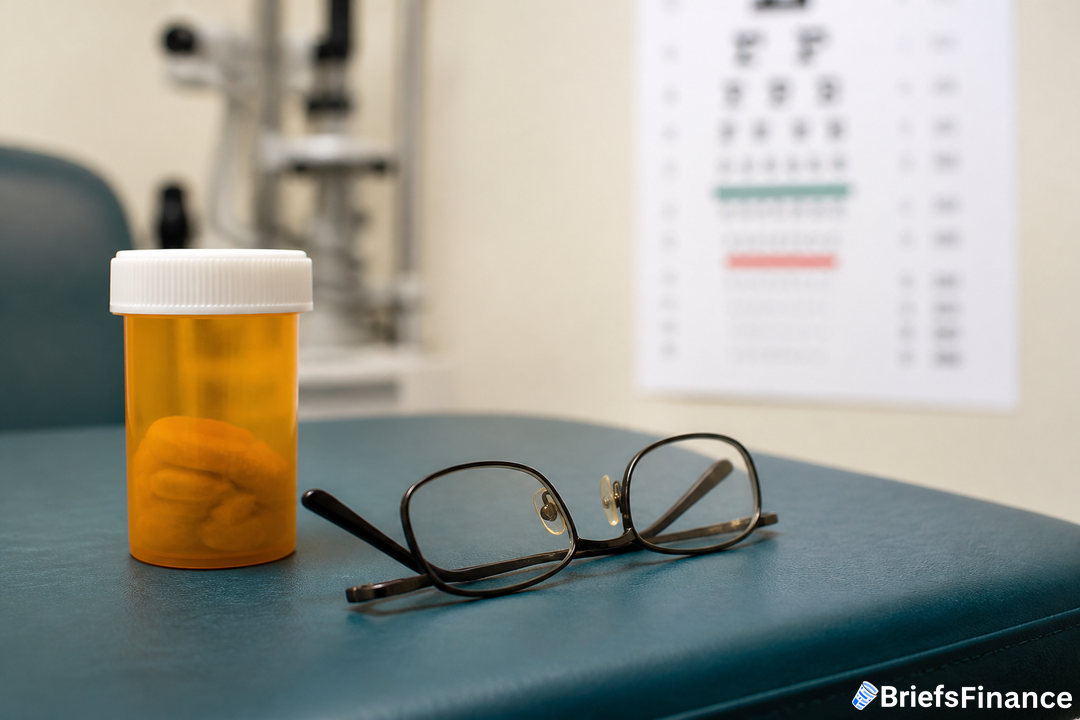
The agency said it is requiring all GLP-1 labels to carry a warning about a possible higher risk of NAION, a rare condition that can lead to sudden vision loss. Regulators said a causal link has not been proven, but they are acting after evaluating evidence across multiple sources.
That review spanned randomized studies, data from routine medical use, and findings in the literature. One pooled analysis covering 126 trials and more than 134,000 participants found NAION at a rate of 6.4 per 100,000 patient-years in people on GLP-1s compared with 3.8 per 100,000 patient-years among those on other treatments or placebos. Several observational studies also pointed to an elevated risk. The FDA noted that NAION has been reported with all GLP-1 drugs currently on the market.
What NAION is and how it appears on labels
NAION involves reduced blood flow to the front of the optic nerve, which can cause a sudden drop in vision, and in some cases permanent loss of sight. The exact mechanism is not fully understood, according to the agency.
Separately, numerous GLP-1 products already include a boxed warning - the FDA's most severe safety notice - flagging the possibility of thyroid tumors. Research in rodents has found that semaglutide, the ingredient in Ozempic and Wegovy, and tirzepatide, the ingredient in Mounjaro, can induce thyroid C-cell tumors. Whether these drugs cause such tumors, including a rare thyroid cancer, in humans remains unknown.
When headlines shift, thoughtful investors look for smarter ways to evaluate risk. We're hosting our first ever investor livestream on 11/17 to show you how to use ChatGPT and Claude to invest like a pro, hosted by Briefs Finance CEO Jaspreet Singh. Save your seat.
Company responses and investor context
Novo Nordisk, which makes Ozempic and Wegovy, said it "continues to believe the data do not establish a cause-and-effect relationship, and we remain confident in the benefit-risk profile of our GLP-1 medicines." CNBC requested comment from Eli Lilly, which makes Mounjaro, Zepbound and Foundayo.
Citi analysts said the labeling update will probably attract notice, yet is expected to have only a minimal effect on GLP-1 uptake. They added that any near-term concern among patients and investors may be tempered by NAION's rarity and the drugs' broad benefits on weight, blood sugar, cardiovascular and kidney outcomes, and sleep apnea, which together should support continued prescribing.
The bottom line: if your portfolio leans on GLP-1 exposure, expect some headline volatility as the new warning lands, but watch script trends and guidance for clues to whether prescribing patterns actually shift.
Exploring new tools can give investors a clearer edge in decision making. On 11/17, our CEO Jaspreet Singh goes live for our first ever investor livestream on how to use ChatGPT and Claude to invest like a pro. Register to join him.