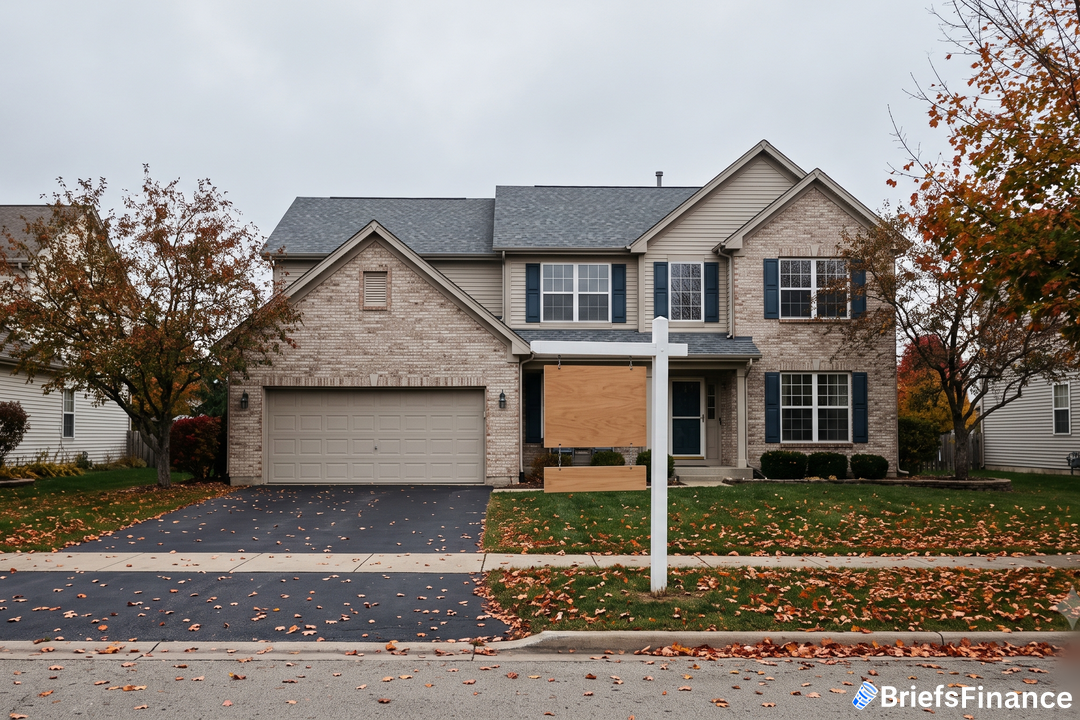
Rates Creep Higher, Buyers Pull Back
Mortgage rates hit their highest point in nearly a year last week, and homebuyers responded by pulling back.
Add in points and origination fees (0.67 from 0.64), and the effective rate went even higher. On its own, that jump sounds small.
That drop shows up in the Mortgage Bankers Association's weekly index, which tracks overall mortgage demand. Total application volume fell 2.7% on a seasonally adjusted basis.
The refinance share of all applications rose to 43.2%, up from 40.6% the week before. But even that activity is modest compared to where it could be. Rates are about 17 basis points lower than they were a year ago, which gives homeowners little incentive to rush into a refi.
Get the market news that matters in a five-minute read with Market Briefs, our free daily newsletter
The recent rise in mortgage rates is part of a broader trend tied to inflation expectations. Fuel price increases in July pushed bond yields higher, and mortgage rates have remained stuck above 6.5% for two months. Even though a softer inflation report offered some relief, the combination of elevated home values and limited inventory continues to pressure would-be buyers. Refinancing activity, while up modestly, remains well below the peaks seen when rates were at historic lows during the pandemic, as most homeowners already locked in favorable terms.
The housing market continues to face headwinds from high prices and constrained supply. With borrowing costs staying elevated, many potential buyers remain cautious, and the recent drop in purchase applications underscores this reluctance. While refinancing has ticked up slightly, the overall pace is far from the boom years when sub-3% rates were common.
The mechanism behind the rate increase is straightforward: rising fuel costs lift inflation expectations, which in turn push bond yields higher. Mortgage rates closely track the yield on 10-year Treasury notes, so any sustained move in bond markets directly affects borrowers. The effective rate, which includes points and fees, has also crept upward, making the true cost of a loan even steeper for those still in the market.
Why Rates Moved Up and What's Pushing Them
A specific factor - rising fuel costs - has driven the recent increase in mortgage rates.
"The key contributor to the recent spike has been the uptick in fuel prices in July combined with the fact that rates never made it any lower than 6.52% over the past 2 months," said Matthew Graham, the chief operating officer of Mortgage News Daily.
On Tuesday, rates fell back slightly after a new inflation reading came in well below forecasts.
Joel Kan, the MBA's deputy chief economist and vice president, said in a release, "Despite higher mortgage rates, refinance applications increased, led by FHA and VA refinance applications rising 9 and 10 percent, respectively."
Join Market Briefs, our free daily newsletter, for a quick daily rundown of the markets