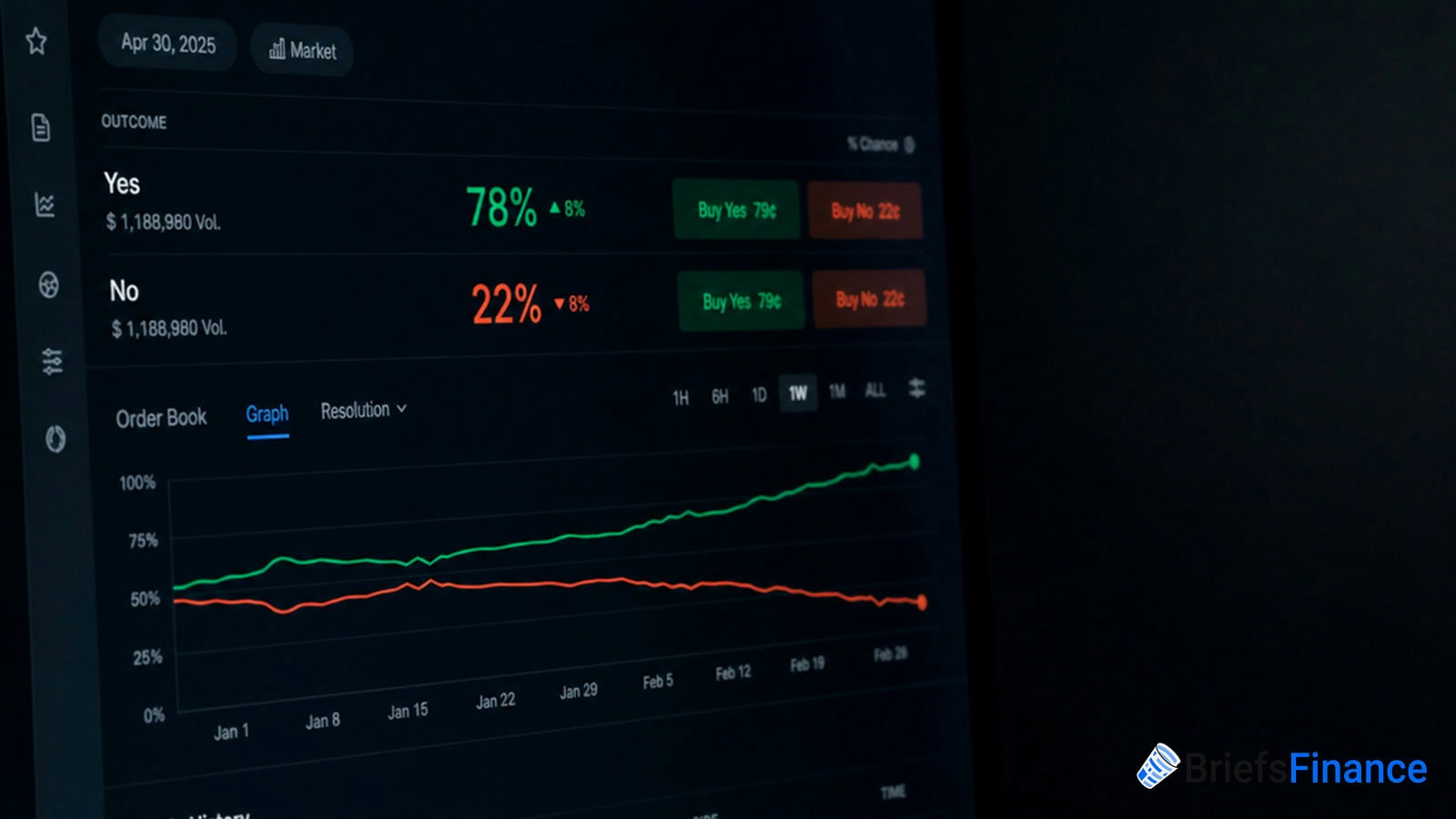
A Google engineer just got charged with making $1.2 million on Polymarket by betting on a search result he already knew. The tip that brought him down came from Polymarket itself.
Inside The Bet
Michele Spagnuolo, 36, joined Google in 2014, where prosecutors say he had access to internal company data tracking user searches.
So when he bet that singer D4vd would be Google's most-searched person of 2025, he wasn't guessing. At the time, Polymarket gave the outcome "near-zero" odds, with figures like Pope Leo XIV and Kendrick Lamar ranked higher.
In December, Google announced D4vd was the top-searched name, and Spagnuolo cashed out around $1.2 million.
He traded under the username "AlphaRaccoon" and used a crypto privacy service to cover his tracks, but users on X and Discord quickly flagged the suspicious bets - one account betting big on a long-shot search result was hard to miss.
His account vanished from the platform as the feds closed in, and Spagnuolo was released on a $2.25 million bond. Google has placed him on leave.
We break down stories like this every morning in Market Briefs - the messy edges of new markets in five minutes a day, with a free investing masterclass thrown in when you join.
Polymarket Becomes The Cop
This is the second insider trading case on Polymarket in just over a month, after a US Army Special Forces sergeant was accused of using classified intel about the operation to capture Venezuelan President Nicolas Maduro to make $400,000 on the platform.
Two cases in a month would normally be bad news for a betting platform, but Polymarket is treating it as a sales pitch. Both arrests came from the company's own tips to law enforcement, not from regulators stumbling onto the trades.
"With 2 out of 2 arrests in this industry resulting from our criminal referrals, Polymarket has emerged as the enforcement leader," the company posted on X.
The firm is teaming with Chainalysis on insider-trading detection, and separately with Palantir and TWG AI on a sports-markets integrity platform, after updating its rules in March to ban wagers based on stolen confidential information or insider influence. The tech stack covers blockchain tracing, pattern detection, and identity verification - the same tools regulators use to police traditional markets.
The angle for investors: Polymarket wants to expand into the US market, which means convincing regulators it can police itself. Each high-profile case it flags becomes another data point in that argument.
What To Watch
Polymarket's main business still runs offshore, outside US regulatory oversight, where some customers register without identity checks and US users routinely use VPNs to get around the platform's own restrictions.
Prediction markets are growing fast and pitching themselves as a new kind of financial product, but they sit in a gray zone where insiders can place bets that would be obvious crimes on any stock exchange. The SEC has spent decades building insider trading rules for stocks, but the legal framework for betting on a corporate announcement, election, or government action is still being written.
Polymarket caught this one. The bets it doesn't catch are what matter next.
Join 350,000+ investors reading Market Briefs every weekday morning - you also get a 45-minute investing course as a bonus when you sign up.