India secured something it has pursued for a decade when GE Aerospace and HAL completed their technology transfer agreement in April 2026. The nearly three-year negotiation represents the kind of industrial partnership that geopolitical positioning demands in an era where nations build defense capabilities through trusted partnerships rather than procurement contracts.
This goes beyond buying finished weapons - it's infrastructure that fundamentally changes India's entire defense industry trajectory. Technology transfer means Indian engineers gain access to design knowledge and manufacturing processes that took GE decades to perfect.
Manufacturing Expertise Moves East
HAL's Tejas Mk2 fighter jet and the Advanced Medium Combat Aircraft program suddenly have engines built by domestic workers using American expertise, compressing years of research
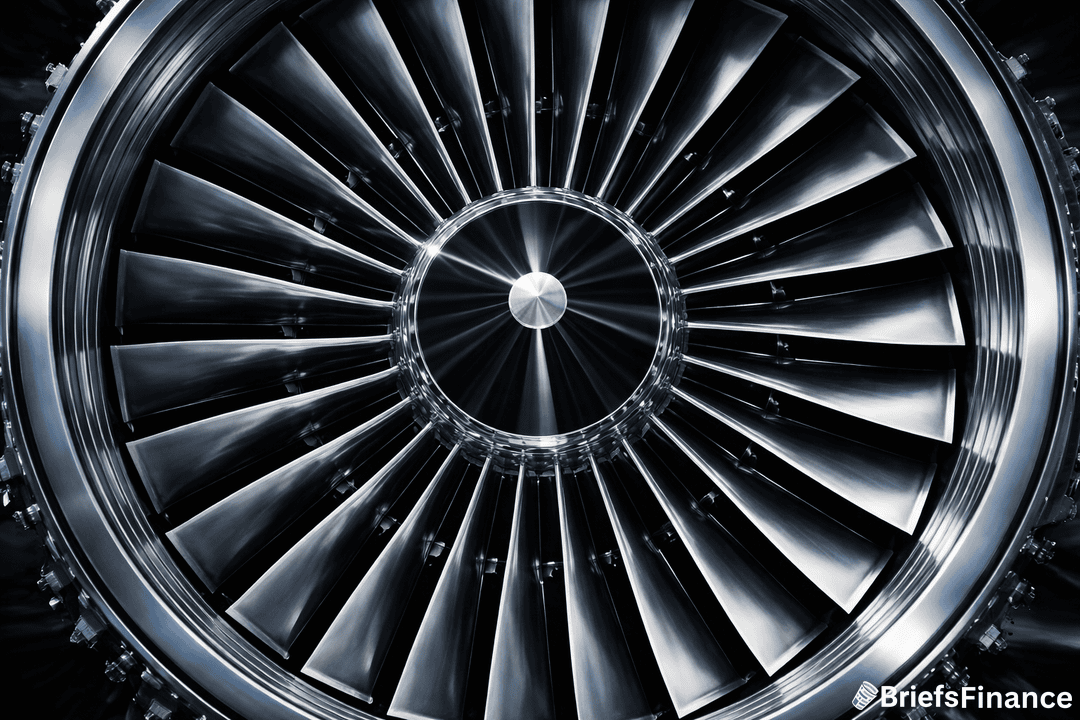
and development into immediate capability. The F414 engine carries particular significance because it powers current U.S. Navy Super Hornets and represents proven, battle-tested technology that the world's strongest military trusts in combat.
Indian production of these engines creates a strategic advantage through reduced dependence on foreign supply chains, lower costs through domestic manufacturing, and the ability to power allied air forces across South Asia. The nearly three-year negotiation timeframe confirms how carefully both sides worked to get legal frameworks and intellectual property protections right.
GE's willingness to transfer sensitive defense technology signals confidence in India's manufacturing ecosystem and intellectual property law enforcement. This vote of confidence will likely encourage other American defense suppliers to evaluate similar partnerships, as other nations watched this deal closely to see if America would share critical technology with non-Western partners.
Workforce Training Becomes Critical Path
Implementation success depends on HAL's ability to recruit and train engineers capable of operating at GE's technical standards. The engine requires precision manufacturing tolerances of less than a thousandth of an inch in critical components, meaning India must invest heavily in workforce development and quality control systems.
Testing facilities need to be built to GE specifications and workers need certification that matches American military standards. HAL faces pressure to equip Tejas Mk2 fighter jets for operational deployment by 2028-2029, after which delays in engine production would cascade into airframe manufacturing delays.
This creates urgency for HAL management to execute training programs and production ramp-up on schedule, because missing these timelines could damage India's credibility with the U.S. as a manufacturing partner. Every month of delay ripples through the entire defense supply chain.
Geopolitical Implications Beyond Defense
The agreement signals a broader shift in the U.S. approach to India as a manufacturing partner in strategic industries rather than just a customer. Earlier defense deals involved purchasing finished systems, but technology transfer represents a qualitatively different relationship that positions India as a potential production hub for U.S. defense equipment across multiple platforms.
China watches these developments carefully because they represent an alternative manufacturing model that the United States is offering to trusted partners. Rather than being locked into Chinese supply chains, nations can now partner with the U.S. and secure both equipment and the knowledge to produce it themselves, creating long-term strategic alignment through shared manufacturing interests.
This model reshapes how smaller nations think about defense strategy, since they can now build genuine indigenous capability instead of remaining dependent on imported hardware. The message is clear: align with Washington and gain access to American technology and manufacturing expertise.
What to Watch
Watch for the formal signing announcement slated for later in 2026, which will mark when this partnership becomes binding law rather than a handshake agreement. Monitor announcements about HAL's production timeline for Tejas Mk2 engines, since manufacturing ramp-up will determine whether India meets its defense self-reliance targets on schedule.
Track whether other American defense suppliers announce similar agreements with HAL or other Indian manufacturers within the next 12 months, as that volume will signal how serious Washington is about building India as a manufacturing alternative.