The World Cup Bump Was Real but Short
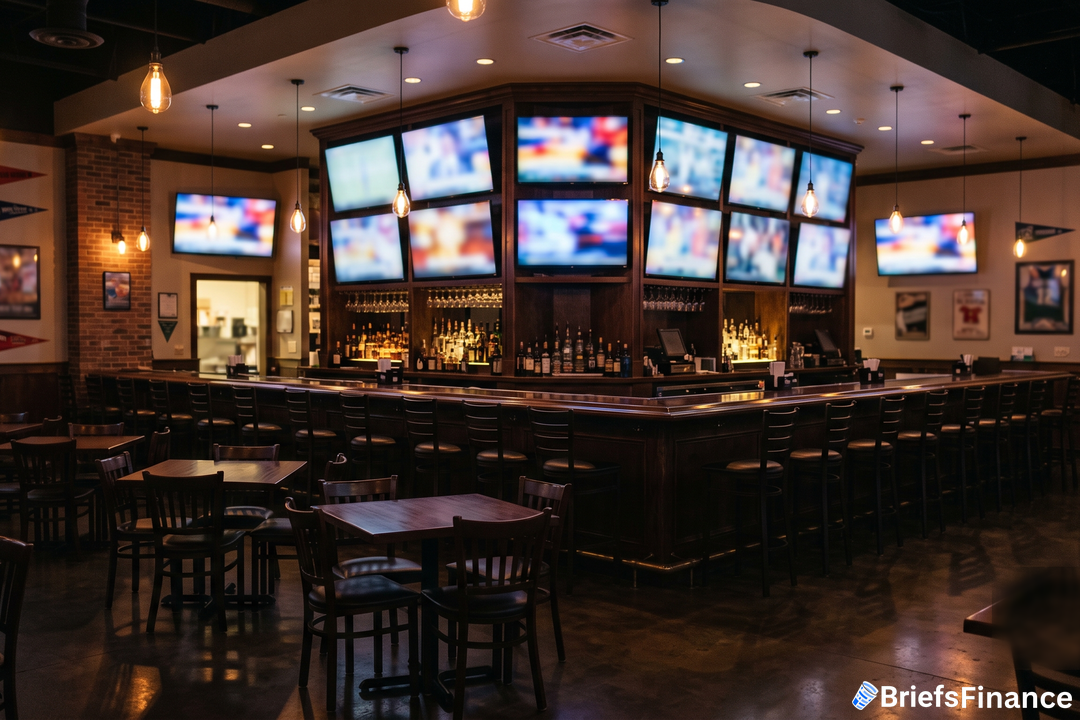
According to a Boston bar owner, "Scottish fans showed up to Boston bars and drank them dry." The Fed's Boston district reported that beer sales jumped so much during the tournament that some bars actually ran out. In New York City, watch parties drove "strong" sales at bars and restaurants.
Hotels saw mixed results. Boston hotels initially struggled with softer bookings, but business recovered after they dropped room prices. New York City hotels reported higher occupancy and higher room prices during the World Cup.
TicketData reported that the median resale price for a World Cup ticket exceeded $900.
Get the market news that matters in a five-minute read with Market Briefs, our free daily newsletter
The Broader Economy Was Putting on the Brakes
Consumers were pulling back. The San Francisco Fed, which covers several host cities, noted that demand for consumer and business services "slowed somewhat on net."
The Fed also reported that oil prices had been climbing, and that ate into what people had left to spend. Several regions of the country reported that households were looking for cheaper options or cutting discretionary purchases to save money. In non-host markets tracked by the San Francisco Fed, locals trimmed spending on restaurants, hotels, and entertainment.
The Fed's Beige Book, which compiles anecdotal reports from across the country, revealed that the tournament's lift was concentrated in bars and restaurants of host cities, while broader retail and travel spending failed to gain momentum. This divergence underscored how consumers overall remained cautious, even in areas that saw a temporary surge from the World Cup.
The pullback was not limited to host cities. In several other Fed districts, businesses reported that consumers were reducing spending on non-essential items, and some retailers noted that foot traffic did not translate into higher sales. This broader trend underscored the temporary nature of the World Cup's economic impact.
The slowdown showed up in travel patterns too. The Boston Fed said that while the number of Canadian tourists in its district exceeded last summer's figures, it remained significantly lower than the historical norm, with popular destinations such as the Maine coast and Vermont's northern areas particularly affected. The Canadian government reported fewer citizens crossing the border, part of a bigger push among Canadians to spend money within their country.
New York City felt that loss. While bar and restaurant sales from World Cup watch parties were strong, some other eateries saw fewer international visitors, especially from Canada. One department store noted that despite a rise in foot traffic during the tournament, sales failed to increase.
These trends underscore how a single event can provide only a temporary jolt, with broader economic headwinds preventing sustained gains across industries. The Fed's reports made clear that the World Cup's economic benefits remained narrowly focused.
Join Market Briefs, our free daily newsletter, for a quick daily rundown of the markets