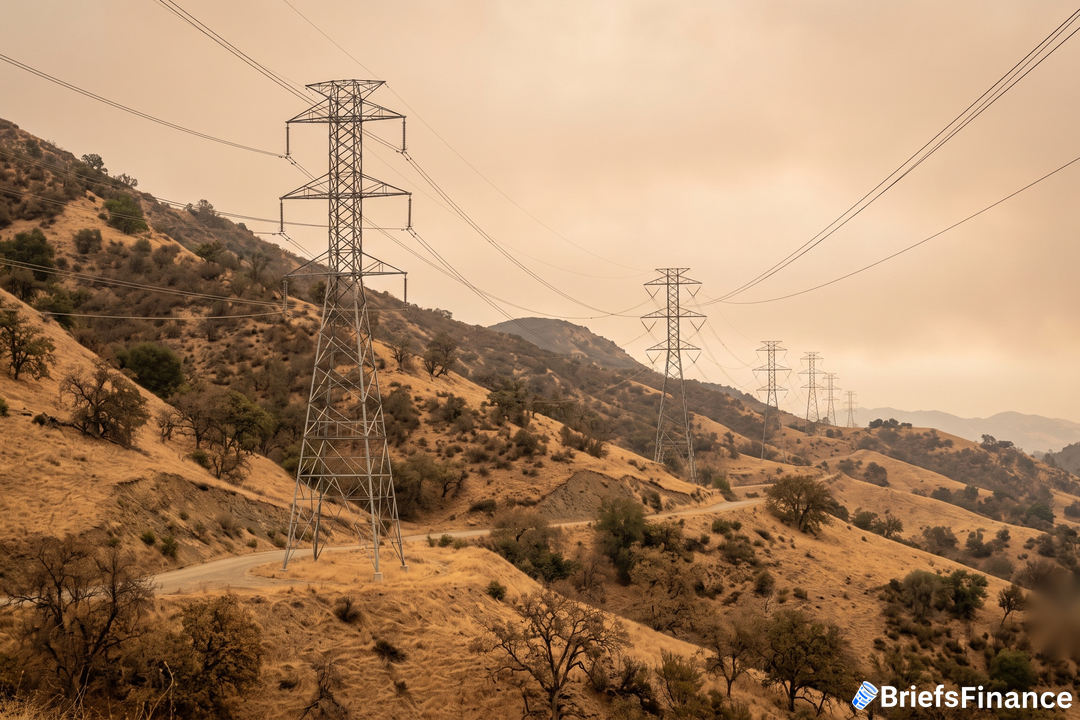
Details of the Shutoffs
PG&E Corp. announced that it will shut off electricity for customers in three counties on Wednesday and Thursday due to dry weather and strong winds that increase wildfire danger. The company is implementing planned blackouts for residences and commercial properties across the affected area. The mandatory blackouts apply to San Luis Obispo, Monterey, and San Benito counties, which are experiencing dry and windy weather, according to the utility. According to PG&E's website, the blackouts may also reach seven other counties, such as Santa Barbara and Marin.
Red flag fire warnings, which highlight gusty winds, low humidity, and high temperatures, have been issued by the National Weather Service through Thursday for parts of the region. These conditions create an elevated risk of wildfire ignition and rapid spread.
Get the market news that matters in a five-minute read with Market Briefs, our free daily newsletter
Western U.S. power companies have been forced to adopt extreme measures like cutting electricity in hot, dry conditions to reduce the chance of igniting fatal blazes and facing hefty legal costs. PG&E has turned to what it calls public safety power shutoffs for the second time in roughly four weeks.
The pattern is becoming familiar for anyone in wildfire country: high winds, dry brush, and a utility that learned the hard way that its equipment can spark deadly fires.
Broader Context and Impact
PG&E's history with wildfire liability underscores the necessity of these precautions. The company faced billions of dollars in claims and eventually bankruptcy after its equipment ignited catastrophic blazes such as the 2018 Camp Fire. Recurring red flag conditions now force repeated shutoffs, even as regulators and customers demand more reliable alternatives.
These shutdowns are part of a broader strategy to mitigate wildfire risk, but they come at a cost. Residents in affected areas often face significant inconvenience, including loss of refrigeration, medical device operation, and communication services. Local businesses also suffer revenue loss during outages. For many households, the unpredictability of these power cuts creates additional strain - families must prepare emergency supplies, charge backup devices, and plan for potential evacuations, all while hoping the winds will subside quickly.
PG&E has been working on improving its grid resilience through vegetation management and equipment upgrades, yet the threat of wildfire remains high under persistent drought and climate change. The utility's bankruptcy in 2019 was a stark reminder of the financial and human toll of catastrophic wildfires, and the current shutoffs reflect the ongoing struggle to balance safety and reliability. California's utilities are under mounting pressure from state regulators to reduce the frequency and duration of these shutoffs, but until long-term grid hardening is complete, public safety power shutoffs will remain a key tool for preventing catastrophic fires.
Join Market Briefs, our free daily newsletter, for a quick daily rundown of the markets