New Leadership, New Energy Policy
Andy Burnham has not even taken the top job yet, but he is already signaling big changes.
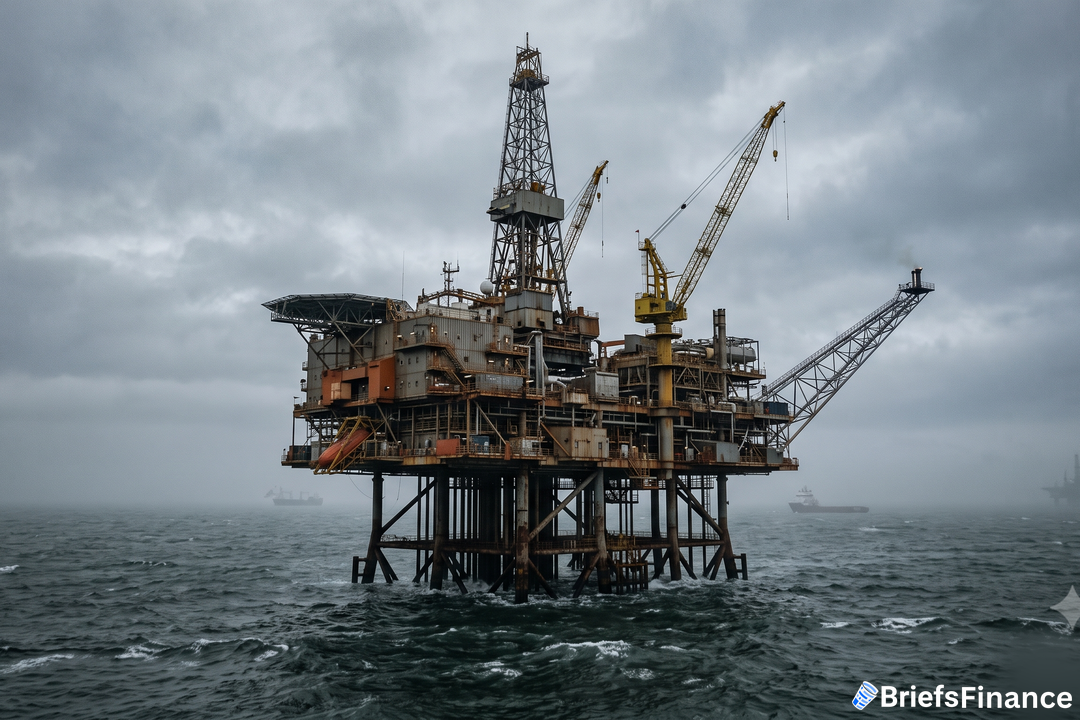
That is a sharp turn from the current government. Energy Secretary Ed Miliband has opposed new drilling licenses for the North Sea. US President Donald Trump has publicly criticized Miliband's stance. Now Burnham is expected to back projects like the Jackdaw gas field and the Rosebank oil field off Scotland - though formal approvals could still be delayed by ongoing public consultations.
The reason for the shift is the Iran War. Due to the conflict, nations are shifting focus to domestic energy production, and the UK is following suit. Domestic drilling is back on the table as a way to rely less on foreign oil.
Not everyone is happy about it. Tessa Khan, executive director of Uplift, argued that Burnham would be making a "mistake" to "cave into the demands of the profiteering oil and gas industry." Green Party leader Zack Polanski stated that new drilling would indicate the UK is retreating from its climate commitments and that the government should focus on renewable energy.
Thames Water's Clock Is Ticking
The water situation is even more urgent - and personal for millions.
Get the market news that matters in a five-minute read with Market Briefs, our free daily newsletter
That timeline puts huge pressure on the new prime minister to act fast.
Several major creditors, such as Apollo Global Management, Elliott Management, Silver Point Capital, and Elliott Capital Advisors, are involved with Thames Water. They are watching closely.
Chris Weston, Thames Water's chief executive, has acknowledged the need for change. "I very much respect him for needing or saying that there needs to be greater public control," Weston said - though he also pointed out that there is already a lot of public oversight from the regulator Ofwat.
What Public Control Might Look Like
Burnham is expected to put Thames Water into what is called special administration - a temporary nationalization where the government takes over. But he is also looking at a different model: turning the utility into a not-for-profit cooperative, also known as mutualization. That would mean customers and workers get a say, with no shareholders making a profit.
The public seems to want it.
The bottom line: For investors, this is a mixed picture. New North Sea drilling could mean opportunities in energy stocks tied to the UK. But water utilities are heading in the opposite direction - toward more public control, not less.
For the average person, especially if you live in London, your water company running out of money and being taken over by the government is a real possibility. Your bills and service could change depending on which model Burnham picks. And with the Iran War reshaping energy priorities, your heating and fuel costs could be affected by decisions made in the North Sea.
Burnham's first weeks in office will set the tone. Keep an eye on those public consultations for the oil fields, and watch the October deadline for Thames Water's rescue plan. That is where the real action is.
At the same time, the water crisis highlights the failures of privatization, with Thames Water's debt and mismanagement leading to widespread public support for public ownership.
Join Market Briefs, our free daily newsletter, for a quick daily rundown of the markets