Why the Deal Fell Apart
Chicago aimed to transfer its collection of outstanding parking fines to investors who would then pursue the payments. Bank of America was supposed to make that happen as the placement agent. But after additional discussions, the scope of services could not be mutually agreed upon.
Comptroller Michael Belsky laid it out in a July 7 letter to the city council. "After additional discussions with Bank of America, it was determined that the scope of services of the engagement could not be mutually agreed upon," he wrote.
A Tough Sell from the Start
Chicago did not have banks lining up for this job. The city sent its request for proposals directly to 20 investment banks. Only two responded. Bank of America was one of them.
Get the market news that matters in a five-minute read with Market Briefs, our free daily newsletter
A spokesperson for the mayor's office said the lack of responses "is indicative of a concern about the viability of the sale," and also noted a general unwillingness to take on reputational risk and a shortage of relevant expertise.
The city's own finance team described the situation as separate from the normal economy. In a presentation to the city council, they said the revenue gap comes from "non-recurring revenue assumptions built into the enacted budget - not shortfalls in the underlying economy or in local tax performance."
Adding to the difficulty, the debt in question is unsecured - meaning there is no collateral backing the fines beyond the vehicle owner's willingness to pay. This makes the portfolio riskier for potential buyers compared to mortgage or student loan debt, which often have underlying assets or government guarantees. Chicago's finance department acknowledged that no other municipality had successfully completed such a sale, raising doubts about whether the market would accept these receivables at a price that made the effort worthwhile.
The city's budget, passed late last year, was designed to eliminate a deficit of roughly $1.2 billion. The debt sale was projected to bring in at least $89 million in revenue. Mayor Brandon Johnson declined to sign that budget, voicing objections to the use of aggressive collection tactics by third-party debt buyers and other issues.
According to the mid-year update, income from taxes on utilities, recreation, cloud computing, and state income taxes has increased.
Broader Financial Context
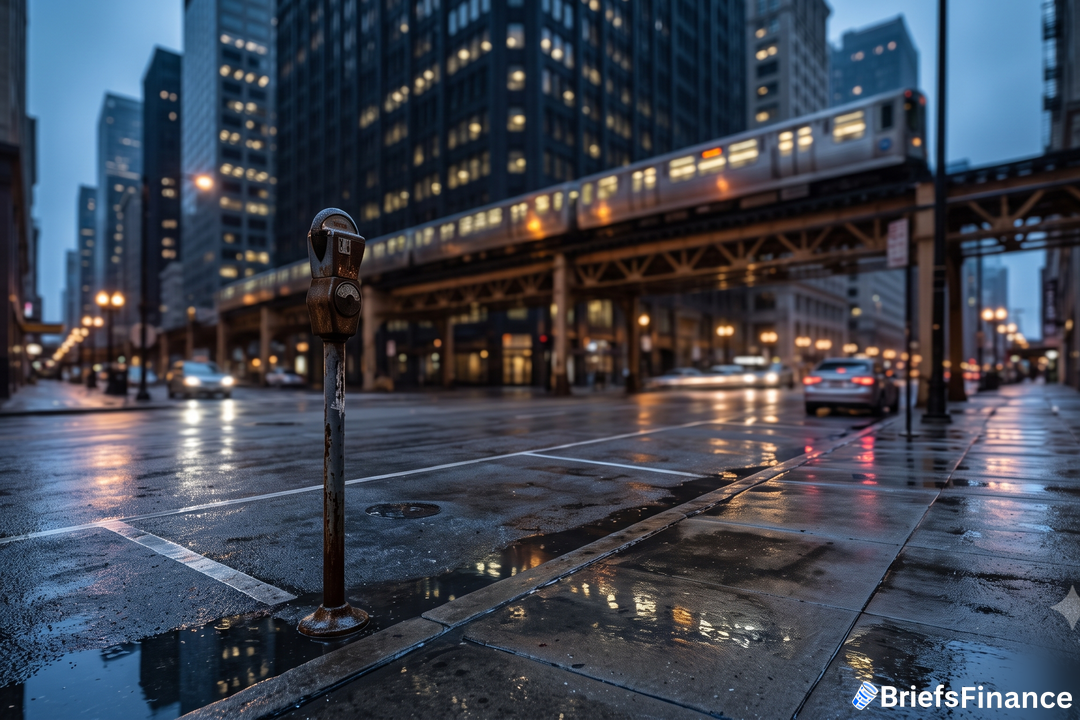
Chicago has a history of using one-time revenue fixes to patch budget holes, such as the long-term lease of its parking meters and the sale of future tax revenues. The parking ticket debt sale followed that pattern, but it faced opposition from consumer advocates who warned that selling delinquent fines to private collectors often leads to aggressive tactics against low-income drivers. Mayor Johnson's refusal to sign the budget underscored these concerns, yet the city still needs the revenue to avoid deeper cuts to services.
Join Market Briefs, our free daily newsletter, for a quick daily rundown of the markets