What launched and how it works
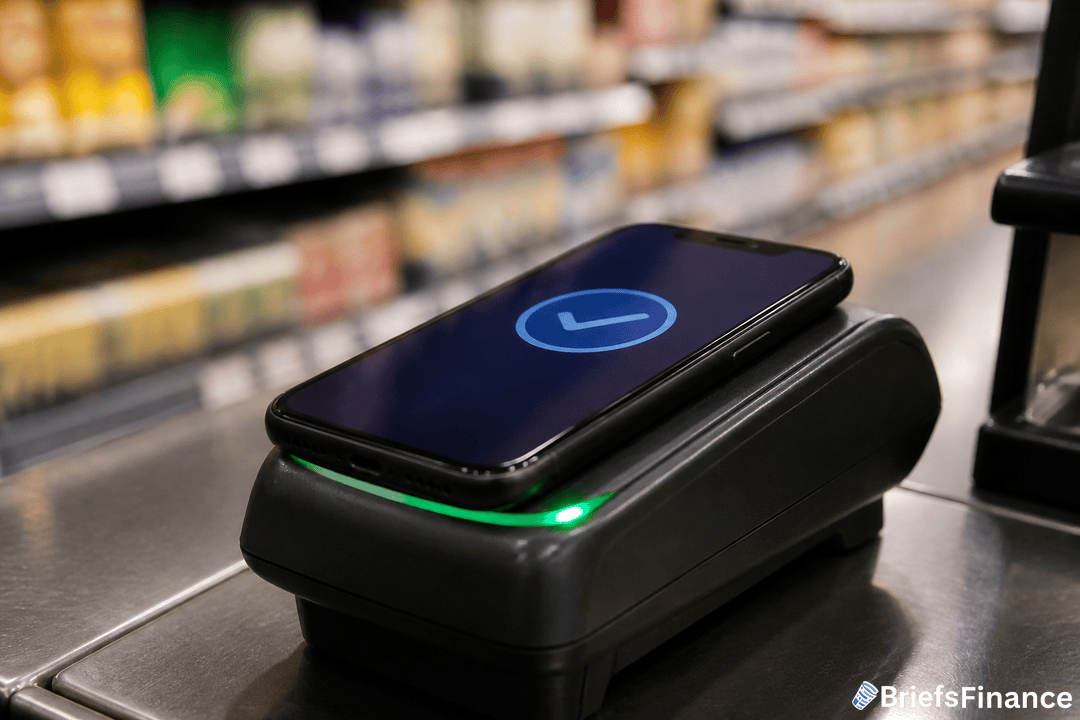
OpenAI on Friday introduced ChatGPT Wallet, a payments feature that lets its dots agents handle transactions when users give the go ahead. Eligible users can add a card one time, have a dot shop for products, and then approve each purchase through a verification step.
The company says dots do not see actual card numbers. Rather than exposing real card details, networks provide the agent a one-time tokenized credential that includes a limited-use card number, CVV, and expiration that are valid solely for that single transaction. ChatGPT Wallet was developed with American Express, Mastercard and Visa, and cardholders keep the rewards and protections tied to their cards.
"Our goal here is to really focus on merchants and our network partners and start building out a really great foundation that's safe and easy to use," said Chaya Nayak, OpenAI's head of product for monetization and payments.
Where this fits in OpenAI's commerce push
OpenAI has been testing routes into shopping for the past year. It launched an Instant Checkout feature last fall, then shifted away from it and by March rolled out a redesigned shopping experience to help users find and compare products more easily. Nayak said ChatGPT Wallet extends those discovery efforts. "We think that this is the next step, where if someone found something they're really excited to buy, then we want to be able to get them through to that endpoint."
The company revealed its dots agents at its developer conference near the end of September, coming right after Meta's Muse hit the top of the App Store. The company called agent led shopping early in its development and published tools and guidance with the wallet launch to help businesses prepare, including how to ensure websites are not unintentionally blocking OpenAI's agents.
New automation tools are changing how we research opportunities and manage risk. We're hosting our first ever investor livestream on 11/17 to show you how to use ChatGPT and Claude to invest like a pro, hosted by Briefs Finance CEO Jaspreet Singh. Save your seat.
Purchases through ChatGPT Wallet could become a future revenue stream, but OpenAI stated that at launch it will take no share of transactions. For now, the focus is building ties with merchants and positioning ChatGPT as a credible shopping platform as vendors test personal agents.
Early access and guardrails
To start, access is limited to OpenAI's Pro subscribers in the U.S. aged 18 and up. Luke Gebb, Amex's EVP who also serves as its global head for innovation, called the limited rollout the "right approach to make sure things are working," adding that OpenAI can "turn up the volume" when it chooses. As he put it, "It just makes sense to watch it, start it in a contained environment, and then keep rolling from there."
By the close of the third quarter, OpenAI's ChatGPT serves over 1.2 billion weekly active users and almost 100 million paying users. That scale gives the company room to expand the wallet once it deems the systems ready.
On Wednesday, United Airlines said it will bar agents from entering its systems to make ticket reservations, and Amazon blocks agents from buying items on its marketplace.
The investor angle
For your portfolio, this ties OpenAI's user base to commerce without fees at the outset. The company is piloting with the major card networks, using tokenized payments plus user approvals, and courting merchants with guidance and tooling. The next phase depends on merchant adoption and OpenAI's decision to widen access, a progression both Nayak and Gebb signaled will be controlled rather than fast and flashy.
Savvy investors seek every useful innovation that can sharpen decision making. On 11/17, our CEO Jaspreet Singh goes live for our first ever investor livestream on how to use ChatGPT and Claude to invest like a pro. Register to join him.