What changed
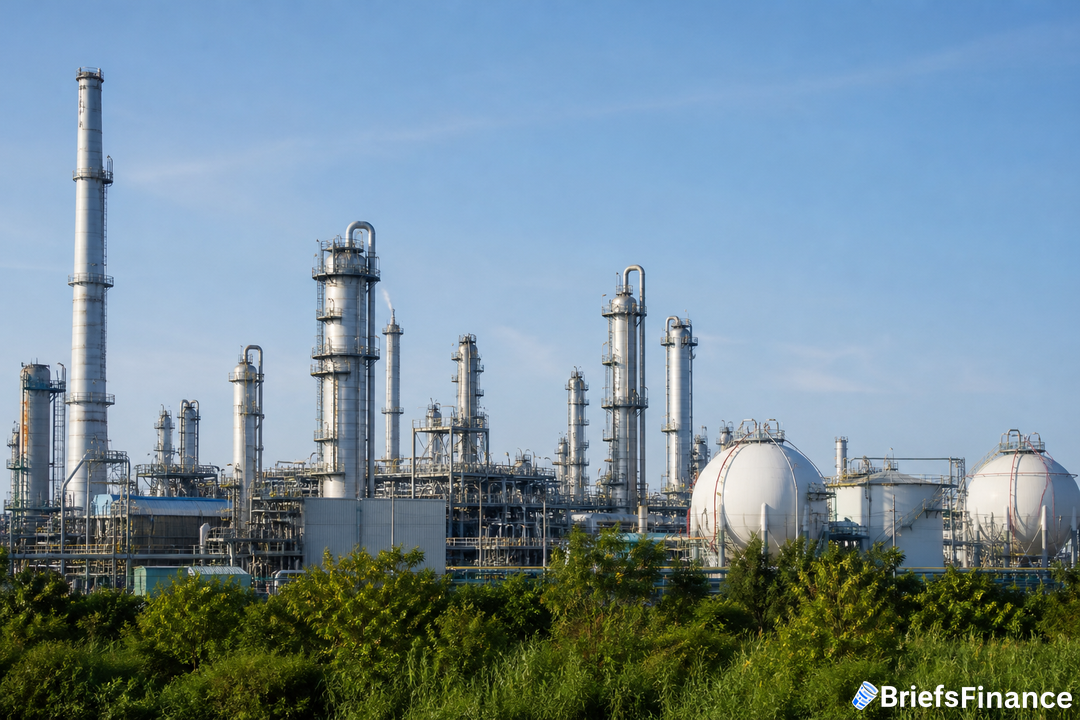
Beijing intends to add chemicals and petrochemicals next year to its cap and trade program, widening coverage to industries tied to oil processing. The market, which began in 2021, already includes power, cement, steel and aluminum.
During a Wednesday briefing held before COP31 convenes in Turkey next month, Li Gao - who serves as the country's top climate negotiator - spelled out the schedule. Adding these industries would move the system closer to covering 80% of total emissions under the scheme.
Why officials are doing this
The carbon market currently applies to 65% of emissions, equal to 8.3 billion tons a year. As the world's largest emitter, China targets about a 3% decline, over the five years through 2030, in the carbon intensity per unit of output within the market's scope.
Officials also see industrial pressures. The country's bloated refining sector, which makes fuels and chemicals, is under strain as oil demand eases with rapid electrification. Putting a price on carbon will probably speed the phaseout of some excess or outdated capacity.
When policy changes reshape industries, staying informed matters; sign up for the free Market Briefs newsletter to get concise daily context
How the policy will support cleaner tech
Draft rules released earlier this month say the environment ministry will offer carbon credits to help hard to abate sectors adopt cleaner technologies. The list includes green ammonia, batteries and biofuels.
What it means for investors
In plain English: coverage is set to broaden, and carbon costs could nudge older, surplus capacity out faster in oil linked industries. Investors may also watch areas named in the draft rules, since credits are slated to support adoption of green ammonia, batteries and biofuels. The bottom line: policy is moving toward wider coverage and modest intensity cuts through 2030, with attention on oil processing and uptake of specific clean technologies.
With regulations evolving, keep a clear view of the economy by subscribing to Market Briefs for five-minute daily updates