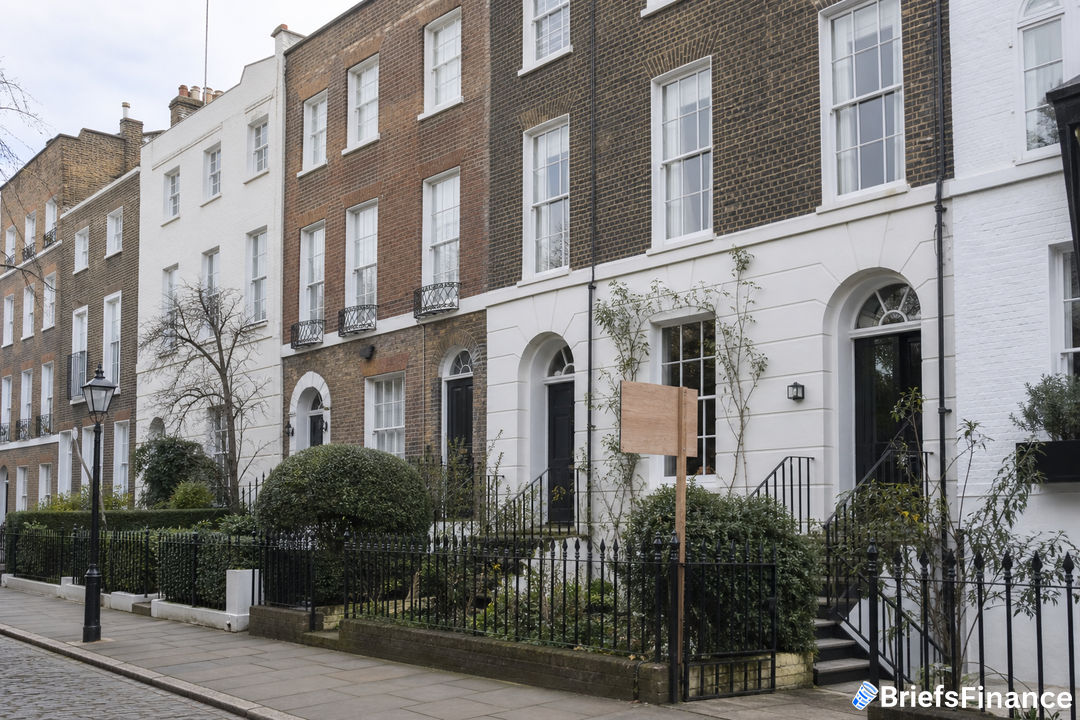
Sellers Push Back After a Weak Summer
Asking prices for newly listed London homes rose for a second straight month, up 2.5% in October after a 1.8% increase in September. Rightmove said this early autumn upswing is the strongest in more than 10 years.
That comes after London trailed the rest of the UK this year, with sellers cutting asking prices by almost 6% over July and August, roughly £40,000 or $53,500. In a city that has typically run ahead of the wider market, many now hesitate to make additional reductions. As Rightmove put it, "After a subdued year for London prices, some new sellers may feel they have little room to go lower without making their onward move unaffordable."
An "enough is enough" mindset is taking hold, said Marc von Grundherr, the London-based director at Benham and Reeves. "London bricks and mortar remain one of the strongest assets they can hold. For these homeowners, selling for anything less than what they consider a reasonable price simply isn't a sensible move, particularly if they have little urgency to sell."
A Fragile Market With Longer Timelines
According to Rightmove, conditions across London and the wider UK remain delicate, with mortgage costs - linked to the Iran war - beginning to bite. New fixed-rate mortgages are around 6%.
Discounting remains common. In London, roughly four in 10 listings see price cuts, and it now takes an average of 78 days to secure a buyer, compared with 68 in May. The capital's average asking price reached £673,942 in October, nearly double the UK average.
When local markets feel uncertain, stay informed with the free Market Briefs newsletter that explains key trends in minutes
Across the UK, asking prices rose 1% to £371,015. Rightmove's survey covers homes listed between Sept. 13 and Oct. 10.
Taxes, Landlords and the Top End
London faces added pressure from higher taxes, tighter rules on landlords, and a planned surcharge on the most expensive properties. Von Grundherr said the so-called mansion tax, due from 2028 on homes valued over £2 million, is prompting some high-end owners to sell.
He also cautioned that "stronger asking prices don't necessarily translate into stronger achieved prices, and sellers will still need to be realistic if they want to secure a buyer in what remains a relatively price-sensitive market."
What It Means For Your Portfolio
In plain English, asking prices are firmer but the market is still price sensitive. Mortgage rates near 6%, longer selling timelines, and policy headwinds mean the gap between what sellers want and what buyers will pay remains in focus. Keep an eye on discounts, time to sell, and the top end, where tax changes are nudging supply higher.
If you want clear, quick updates on economy and property, sign up for the free Market Briefs and read everything in five minutes