What changed
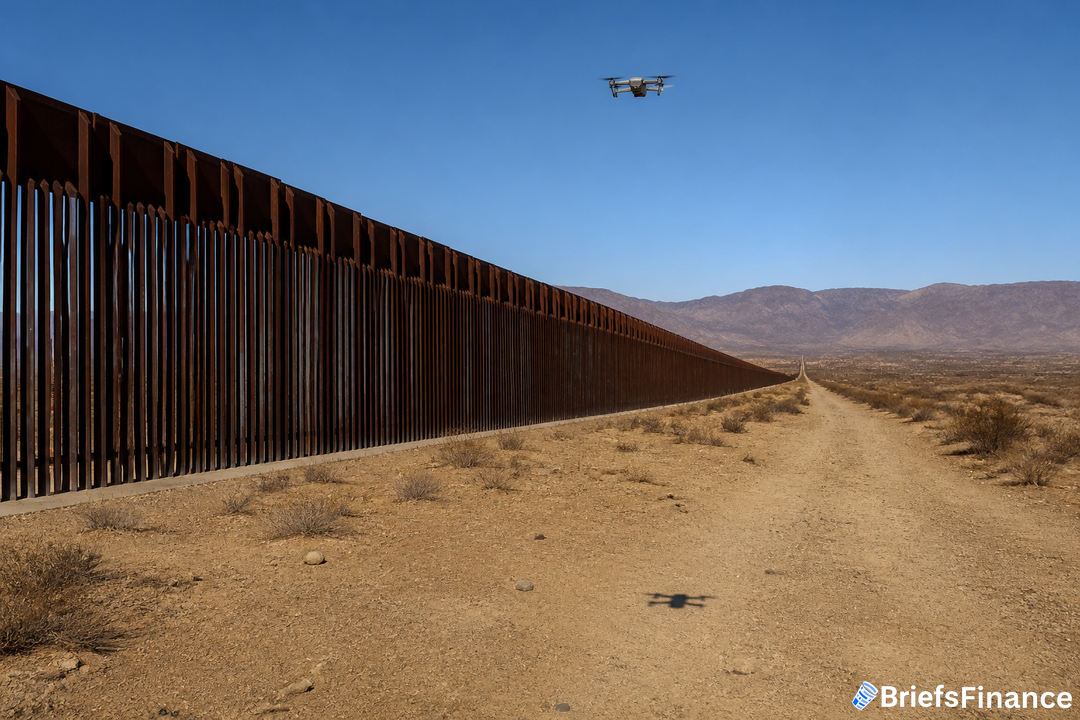
The government put a temporary flight restriction in place right away, targeting unsanctioned drone flights along the southern border. The boundary covers airspace up to 400 feet above ground and reaches one nautical mile into U.S. territory from the line.
Why officials acted
DOT framed the step as backing current border security missions, including efforts that address illicit cartel activity. In its words: "The new measure will reduce risks to ongoing border security operations, protect federal personnel, facilities and the Homeland, and enhance enforcement against those who violate the restrictions."
How agencies coordinated
Transportation officials said they worked with the Defense Department and the Department of Homeland Security on the move. It follows earlier coordination challenges this year tied to the use of a high energy laser near the border, one of which led to an unexpected airspace closure around El Paso International Airport in Texas and another that saw a U.S. Customs and Border Protection drone mistakenly shot down.
When policy changes can affect markets and planning, regular context makes decisions easier, so sign up for the free Market Briefs
The market angle
For investors, the takeaway is straightforward: the U.S. is tightening control of low altitude airspace close to the border for unauthorized drones, with DOT explicitly emphasizing enforcement. If your portfolio touches aviation, border infrastructure, or drone services, this sets a clear compliance line in a specific corridor and signals closer alignment among federal agencies on counter drone actions.
No matter what headlines say each day, get a calm five-minute rundown by subscribing to our free Market Briefs newsletter