What the numbers say
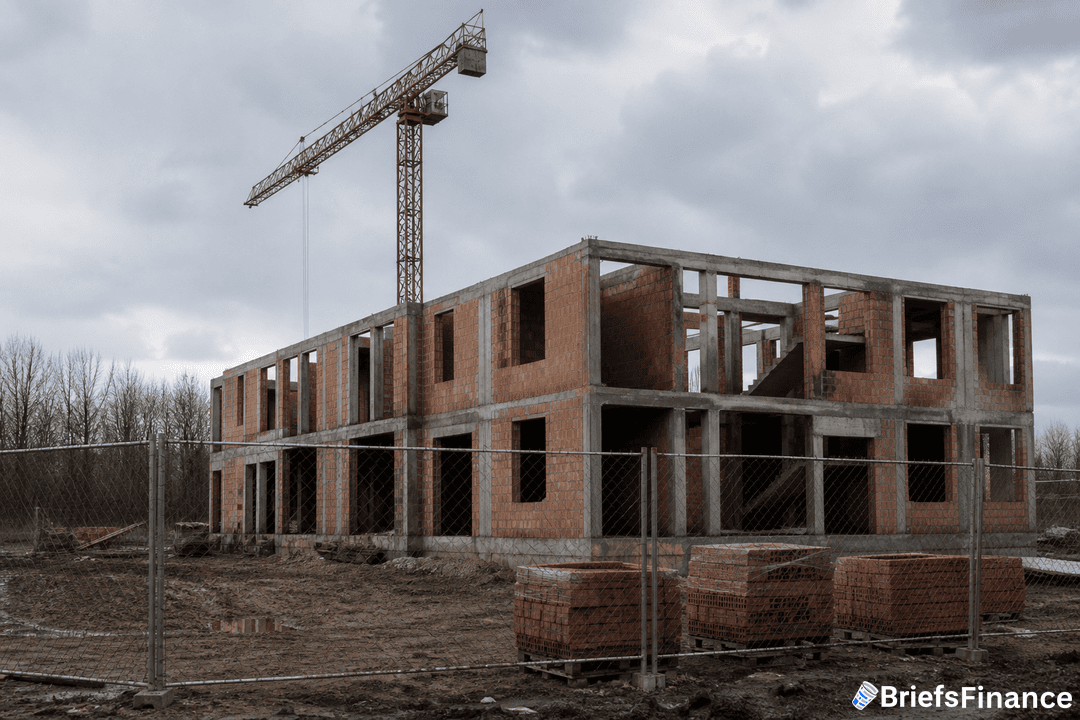
The construction PMI climbed to 46.1 in September, up from 44.3 in August and above the 44.9 economists expected. That is the strongest reading in eight months, but it still points to shrinking activity because it remains under 50. Although the housebuilding sub-index rose, it remained firmly in decline, extending a downturn that has undercut the Labour government's ambitions to steward a property construction boom. The survey's future activity index fell to its lowest since May.
Builder sentiment turns before construction activity does, which makes it worth watching. Market Briefs reads these surveys free every weekday.
Why builders are tapping the brakes
Survey participants said sales conversion timelines have lengthened and that clients are postponing approvals for large projects, blaming softer demand and geopolitical tensions. Companies pointed to pricier financing, inflation and a lack of fresh orders as reasons for the caution, and several linked the slower decision-making to uncertainty around the conflict in the Middle East.
Costs, context and what's holding up
Input costs for builders were rising at the slowest pace in seven months right before the US-Iran war erupted, but that conflict has pushed inflationary pressures higher again. Tim Moore at S&P Global warned that the recent easing in costs "seems unlikely to endure given recently escalating fuel prices and transportation costs." Within UK private sector PMI data, construction remains the laggard, while services and manufacturing have, so far, held up against the fallout.
A cautious building sector eventually shows up in housing supply and prices. Join Market Briefs free and follow the trend.