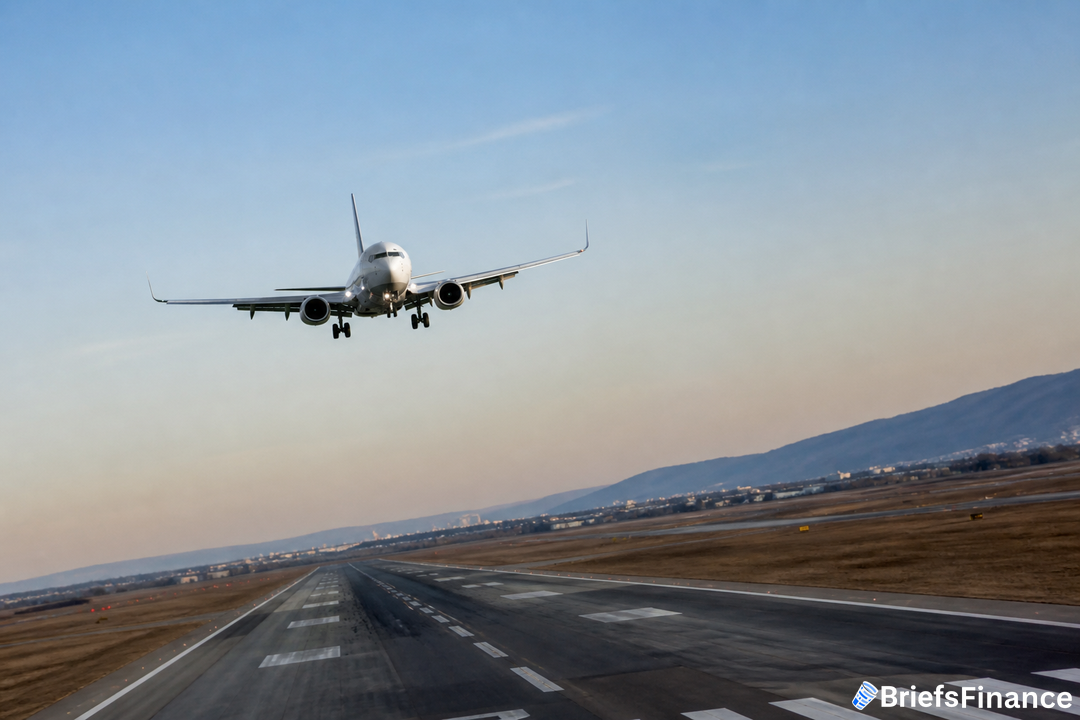
Inside the chaos on Flight 1073
What started as a shocking fight on the flight deck turned into a full-blown emergency. Early indications are that the co-pilot assaulted the captain, the jet pitched downward, then climbed sharply, and then dropped again as control of the cockpit swung back and forth.
People seated up front sprinted to the cabin door and helped subdue the attacker, easing the rapid fall. Israeli Prime Minister Benjamin Netanyahu said the captain, after being stabbed, managed to unlock the cockpit door from the inside to call for help. Passengers stepped in, and off-duty pilots who were on the flight then assumed control.
In a video posted by Netanyahu's office, a passenger who says he was first into the cockpit, identified as Yaniv Hayun, recounts pulling the assailant away from the captain and hauling back on the controls to slow the dive. He said he knew to try that because he watches the National Geographic series Air Crash Investigation.
From his hospital bed, FlyDubai Captain Smit Machchhar spoke by phone with Indian Prime Minister Narendra Modi. "I've been a pilot for 17 years, I've been a captain for the past 11 years, I know what's happening in a flight even with my eyes closed," he said, adding, "When I was on the ground, I realized that the aircraft is going down. And I told myself, 'This is the last push, Smit. The door is right there.'"
The jet's extreme dive and reported damage
FlightRadar24's initial data indicate the 737 Max pitched into an exceptionally steep descent, with its downward rate surpassing 32,000 feet per minute. The tracker also showed the aircraft peaking around 690 mph during the drop, a speed nearing the local sound barrier at that height.
When the aircraft later landed in Tabuk, unverified images on social media appeared to show part of the rudder missing. Any hit to a control surface like the rudder can dramatically alter how a plane flies and can put everyone on board at risk.
Former US Federal Aviation Administration pilot Bob Stoney ran flight testing for several Boeing programs, including the 737-900ER, and later oversaw the Max family's return to airline operations following two fatal crashes in the previous decade. He said certification requires demonstrating controllability for a jammed rudder, but not for a section that has broken away. Aerodynamically, he said, a jam and a loss of the surface can be similar for pilots because both scenarios demand flying as if the rudder is gone. He also noted the rudder's importance grows during landing, and attempting to land without it in strong crosswinds is especially difficult, while losing a wing or a tail flap would be even more challenging in any phase of flight.
Aviation safety stories move airline stocks, insurers, and manufacturers within hours. Market Briefs connects those dots free every morning.
Why the airplane stayed in one piece
Investigators are still piecing together the full picture. However, discussions with a test pilot alongside an examination of the 737 Max's design suggest that multiple layers of redundancy - and likely a bit of luck - were crucial in allowing the aircraft, and everyone on it, to reach the ground safely.
When manufacturers certify a new jet, they fly it in conditions well outside normal operations to show it can withstand the unexpected. There are also brutal ground tests, like bending wings until they fail. As Stoney put it: "Why do you test out there? The answer is because of the potential for inadvertent exceedances of those limits."
Federal rules require big passenger planes to be proven at speeds above their published normal maximum operating limit. For a 737 Max 8, that limit is about 630 miles, or 1,000 kilometers, per hour, though it varies with altitude and weather, according to the FAA. The punishing pullout from a dive like Flight 1073's likely subjected passengers to intense g-forces more commonly felt by fighter pilots and astronauts.
The jet itself is the newest, more efficient version of a single-aisle workhorse first green-lit in the 1960s, updated with modern engines and avionics. Its cockpit uses two horn-style yokes at the center for control inputs. By contrast, Airbus's A320 family is flown with side-mounted sticks, which might be less intuitive to a layperson in a crisis.
US President Donald Trump chimed in online with praise for Boeing's design after the plane's safe landing.
Echoes from past close calls, and what to watch next
Aviation has plenty of stories where overlapping safety systems prevented disaster - and others where chance made the difference. The best known is 2009's "Miracle on the Hudson," when a US Airways A320 glided into the river after both engines failed from bird strikes, and all 155 people survived. The US National Transportation Safety Board wrote in its final report, "Consequently, this accident has been portrayed as a 'successful' ditching." It added that success "mostly resulted from a series of fortuitous circumstances," including the captain's nearly 20,000 hours of flight time, extra slides and life rafts onboard, and a landing spot close to large boats that arrived quickly. The board also cautioned, "The investigation revealed several areas where safety improvements are needed."
For Flight 1073, authorities are still confirming the sequence of events and the full extent of any structural damage. Tracking sites including FlightAware and FlightRadar24 have shared path and performance visuals with timestamps tied to local time in Saudi Arabia. The through-line for your wallet is straightforward: official findings on how the jet handled those extreme loads, what failed and what held, and how crews and passengers responded will shape future safety steps and reputational fallout for airlines and manufacturers.
The plane endured a violent cockpit attack, extraordinary forces in flight, reported rudder damage, and still landed in Tabuk with more than 170 people aboard. Now comes the hard part: the detailed investigation.
Incidents like this ripple through Boeing, carriers, and the insurers behind them. Get the free Market Briefs daily newsletter and see the full picture.