What changed and when
If you were waiting for South Africa's private grid build to kick off, you will be waiting a bit longer. The request for proposals inviting private developers to build transmission lines has been pushed back by six months. In a Thursday statement, National Treasury and the Department of Electricity said the Independent Transmission Projects program will seek first‑phase proposals in the second quarter of 2027, rather than at the end of September this year.
The project and who wants in
The ITP is meant to bring private capital and know‑how into national grid expansion after a century‑long monopoly held by Eskom Holdings SOC Ltd. Phase one targets 1,164 kilometers, or 723 miles, of new transmission lines. Interest from abroad is evident, spanning Chinese players and a firm belonging to Indian billionaire Gautam Adani.
Why this matters to the grid
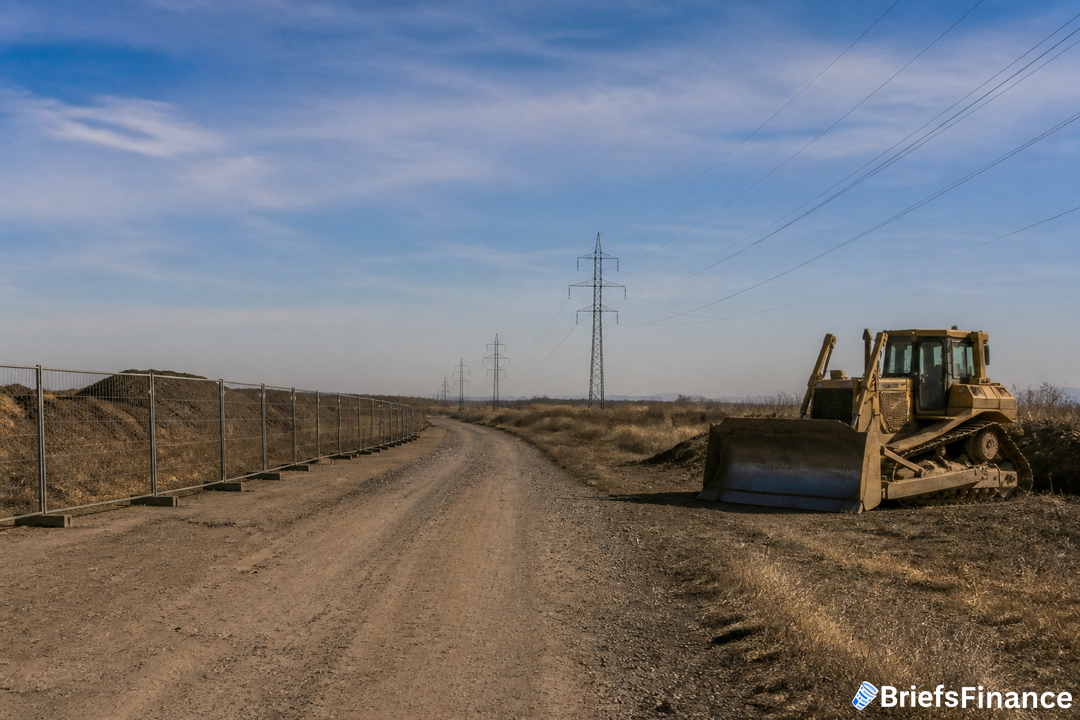
That opening phase is a drop in a very large bucket. As Africa's biggest economy shifts toward cleaner energy and retires coal plants that still produce most of its electricity, the grid needs a major upgrade. Over the coming decade, Eskom intends to put in 14,000 kilometers of transmission lines.
Work teams are already lagging, completing under two‑thirds of the 423‑kilometer goal for the year ending March 2026. The government auction system that buys renewable power from private developers has also slowed because open grid connections are scarce.
Even when plans shift, sticking to a long-term plan pays off, so download the free Always Be Buying E-Book
Gas‑fired generation projects have fallen behind timetable and are entangled in legal proceedings, prompting Eskom to weigh extending the operation of some coal plants beyond plan, despite 8 gigawatts of coal capacity scheduled to retire by 2030.
Institutional questions and what it means for your portfolio
On Thursday, Kgosientsho Ramokgopa, the Minister of Electricity and Energy, told lawmakers that the setup of the office that runs clean‑energy auctions is still undecided. "When we rethink the institutionalization of the IPP office, it must be under the new context of both generation and transmission," he said. "We have put the brakes on that so we can decide whether we want both generation and transmission under one umbrella or must they be decoupled."
For your money, the takeaway is timing risk. Grid delays ripple into project pipelines, which can slow investment cycles and keep older coal units in service longer. If you track South African energy exposure, watch how quickly the ITP awards roll out and how the IPP office is ultimately structured.
With timelines changing, patient investing wins through consistency, get your complimentary Always Be Buying E-Book today