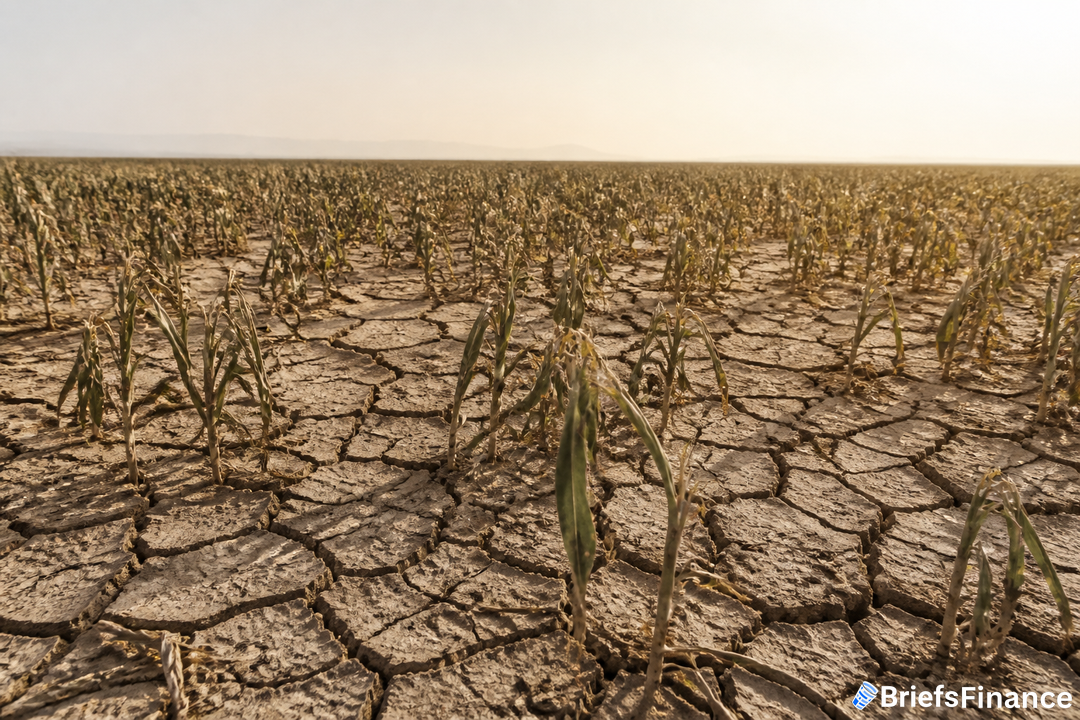
How bad the season was
Monsoon rainfall missed the mark by 12.6%, the deepest deficit in more than a decade. That was worse than the weather office's May outlook for a decline of about 10%. Measured across the season, India received 759.4 millimeters of rain compared with the 868.6 millimeters long-period average. A weather system late in September did bring extra showers to portions of the east, but it did not shift the nationwide picture.
Where the rains faltered and which crops feel it
IMD chief Mrutyunjay Mohapatra said about 42% of districts posted normal totals, while around 38% fell short. The east and northeast were hit hardest, ending the season roughly 26% below average. With rainfall patchy and scarce, output risks have risen for rice, sugar cane and soybeans.
Prices, power and the policy backdrop
The uneven monsoon is pressuring the current harvest as well as the upcoming sowing cycle, feeding into higher grocery bills. Food inflation quickened for the seventh month running to 5.95% in August, the highest reading this year. To counter supply worries, the government has cut import duties on edible oils and permitted importing raw sugar without duties from abroad, with the goal of easing consumer costs before the festive period.
Parched conditions have also drained reservoirs. Hydropower generation is set for a fifth straight monthly drop in September, forcing coal-fired plants to ramp up to satisfy manufacturing needs and air-conditioning loads. Lower stored water now could bite into the next crop as well. A survey suggests rising inflation could nudge the central bank to lift its policy rate, which would be the first increase since February 2023.
Even when headlines focus elsewhere, disciplined saving pays off, so download the free Always Be Buying E-Book today
Why this matters for your money
When rains miss, groceries and electricity bills are where many households feel it first. Watch staples linked to rice and sugar, and keep an eye on power costs as utilities lean more on coal. If inflation stays sticky and borrowing costs tick up, the ripple effects tend to show up in everyday expenses before they hit market headlines.
No matter the seasonal news, steady contributions matter most, so claim your free E-Book from Always Be Buying E-Book