A Steel Town Hosts an Electricity Argument
The stop was at a steel mill, but the real subject was power. Husted, a Republican who is back on the ballot in November, used the Middletown event to explain a simpler reason: energy prices keep climbing in Ohio.
He blamed the two Democratic administrations that came before. "You want to have lower electricity prices - it's because under Obama and Biden, they closed 23 power plants in Ohio, representing half the electricity we use on a daily basis," Husted told the crowd. He then added: "Radical climate policies did that." In his numbers, those closures mean the state lost about 50 percent of its daily power supply. The message was built for working-class voters in places like Middletown: American manufacturing can't come back without cheaper, more reliable electricity.
Still, Ohio has seen old generating units retired under presidents of both parties in the past several years. That record is now part of the backdrop for the current fight over how to keep electricity affordable while adding new demand from data centers and heavy industry.
Data Centers Get Too Big to Ignore
Husted's own party is worried the topic might hurt him more than help him. The National Republican Senatorial Committee issued a memo warning that data centers are a "sleeper issue" in the race. It said: "If voters' perceptions of data centers are not fixed quickly, the campaign against them will expand far beyond Ohio."
As Ohioans watch electric bills climb, start building wealth on any income with the free Always Be Buying E-Book.
Democrats are poking at the same friction point. Brown's campaign spokesperson Lauren Chou says Husted helped land tax breaks for data centers back when he was lieutenant governor. She says those breaks are part of why utility bills have gotten more expensive.
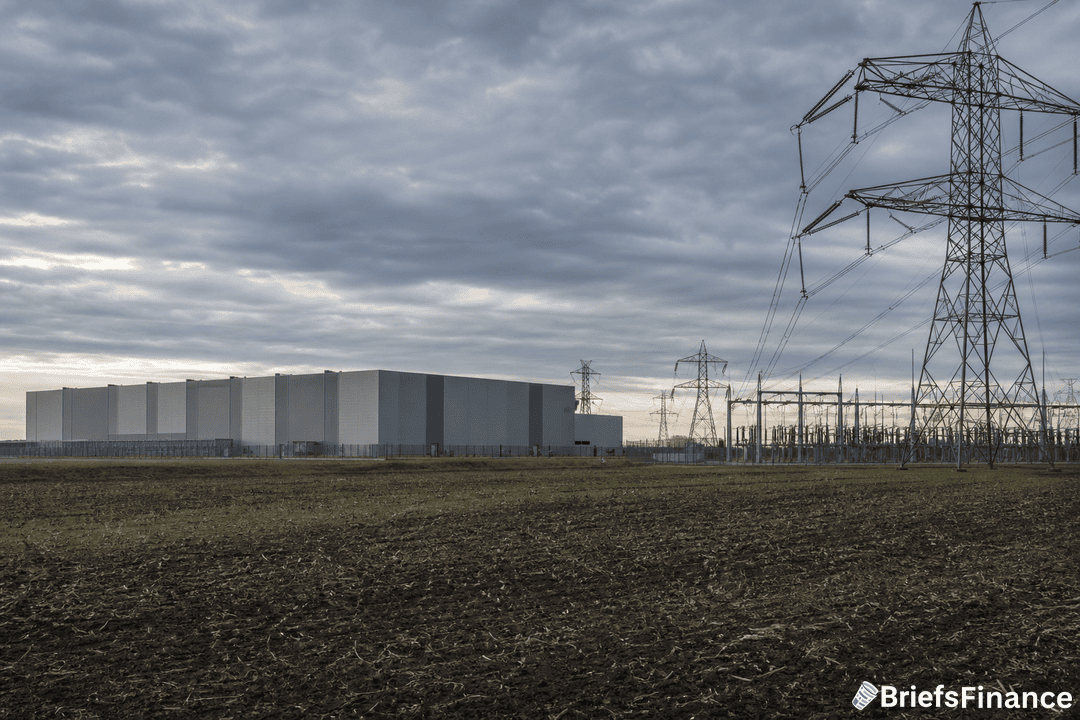
Husted has tried to frame energy policy around reliability and manufacturing jobs, but the Pike County project shows how large the new demand could be. A project of that size would test the state's grid and ratepayers at a moment when electricity prices are already a pocketbook issue.
The $500 Million Grant That Changed Direction
The visit to Cleveland Cliffs was not just about political speeches. The Department of Energy had awarded Cleveland-Cliffs $500 million, originally earmarked under the Biden administration for a hydrogen-powered furnace. That money is being redirected to other upgrades, including a blast furnace and AI-related technology.
Cleveland-Cliffs plans to match that grant, bringing the whole project to a $1 billion investment. The work is expected to support more than 1,500 construction jobs. Husted described the stakes as job security, economic security, and national security.
He also made a promise: "we can bring back manufacturing to this great country, in places like Middletown, and across your great state."
The Bill That Arrives at Your Door
Voters in Ohio are being asked twice. They are asked to support new data centers as engines of growth, and they are asked to support older factories that consume a lot of power. Both depend on one natural resource: electricity, at a price people can afford.
For anyone who pays an electric bill, the outcome is too distant to be resolved by the campaign. The question is whether the grid can deliver all this new power fast enough, and whether the savings from lower energy costs actually reach their homes rather than staying inside a shiny new facility.
But it is now a real message, at the center of a close Senate race, in a state where energy connects the past and the future at the same time. The winner will be the one who makes it feel like power is at a good price.
When data centers spike your power bill, grab the Always Be Buying E-Book to invest your way to wealth.