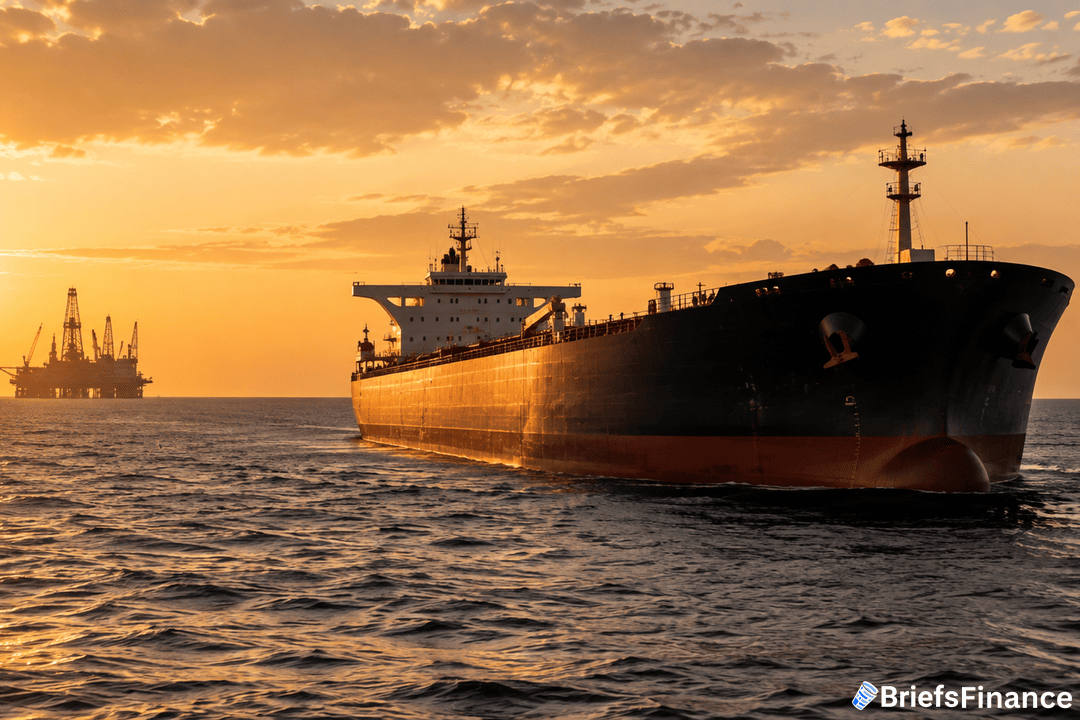
Oil prices are climbing again, and the reason has a lot to do with a narrow strip of water in the Middle East that most of us never think about until it makes headlines.
West Texas Intermediate, the U.S. benchmark for crude, settled at $83.20 a barrel Tuesday, up 1.3%. Brent crude, the global standard, also gained 1.3% to $88.86. For the week, oil is up about 6% as hopes fade for a quick deal to reopen the Strait of Hormuz.
Why the Strait of Hormuz Matters So Much
The Strait of Hormuz is a narrow passage between the Persian Gulf and the Gulf of Oman. Roughly one-fifth of the world's oil moves through it. When something threatens that flow, oil prices tend to react fast.
Iran's Supreme National Security Council Secretary Mohsen Rezaei said the country's overseas assets must be unfrozen before the strait reopens. That is a new condition, and it moves the goalposts from where they stood just days ago.
A week ago, Treasury Secretary Scott Bessent told CNBC that a new Hormuz deal could come soon. No agreement has materialized. Instead, President Trump has intensified his demands this week, insisting Iran pay reparations to the U.S.
Get the free Always Be Buying eBook and learn the simple system for building wealth on any income
Shipping Traffic Has Collapsed
The numbers show just how much the situation has changed. Kpler data shows only eight vessels transited Hormuz on Monday. Before the U.S.-Israel strike on Feb. 28, more than 130 ships had crossed the strait.
That is a dramatic drop, and it helps explain why prices keep pushing higher.
Energy Secretary Chris Wright said Tuesday, "Hormuz oil exports have reached a seven-day average of 9 million barrels per day," which he credited to U.S. military efforts. Including pipeline shipments, Gulf oil flows average about 15 million barrels per day, according to Wright.
The picture is mixed. Military efforts are keeping some oil moving, but the low ship count suggests the situation remains fragile. Trump extended on Monday a suspension of a U.S. shipping law, but narrowed the waiver to vessels carrying specific energy resources. That keeps some options open while tightening others.
There is also a diplomatic thread worth watching. Pakistan's Defense Minister Khawaja Asif told Bloomberg that "things are shaping up again in favor of a peace arrangement or a deal." Islamabad had brokered a June interim U.S.-Iran agreement that quickly collapsed, sparking renewed fighting in Hormuz. Whether a second attempt can hold is anyone's guess.
What This Means for Your Portfolio
Higher oil prices tend to show up in places you feel quickly. Gas stations, heating bills, shipping costs, airline fares. The ripple moves through the economy in ways that are not always obvious at first.
One number worth keeping in mind: U.S. Strategic Petroleum Reserve stockpiles have fallen below 300 million barrels, the lowest level in over four decades. That is the emergency cushion the government can tap when supply gets tight. A thinner cushion means less room to respond if prices spike.
The bottom line: Oil is up 6% in a week because the market is pricing in real risk, not rumor. If a deal comes together, prices could ease just as fast. If not, the pressure stays on.
For investors, that means watching the headlines from Hormuz matters, even if your portfolio has nothing to do with energy stocks. Oil touches everything.
Download the free Always Be Buying eBook and start putting your money to work today