Conflict Spurs Capital Flows
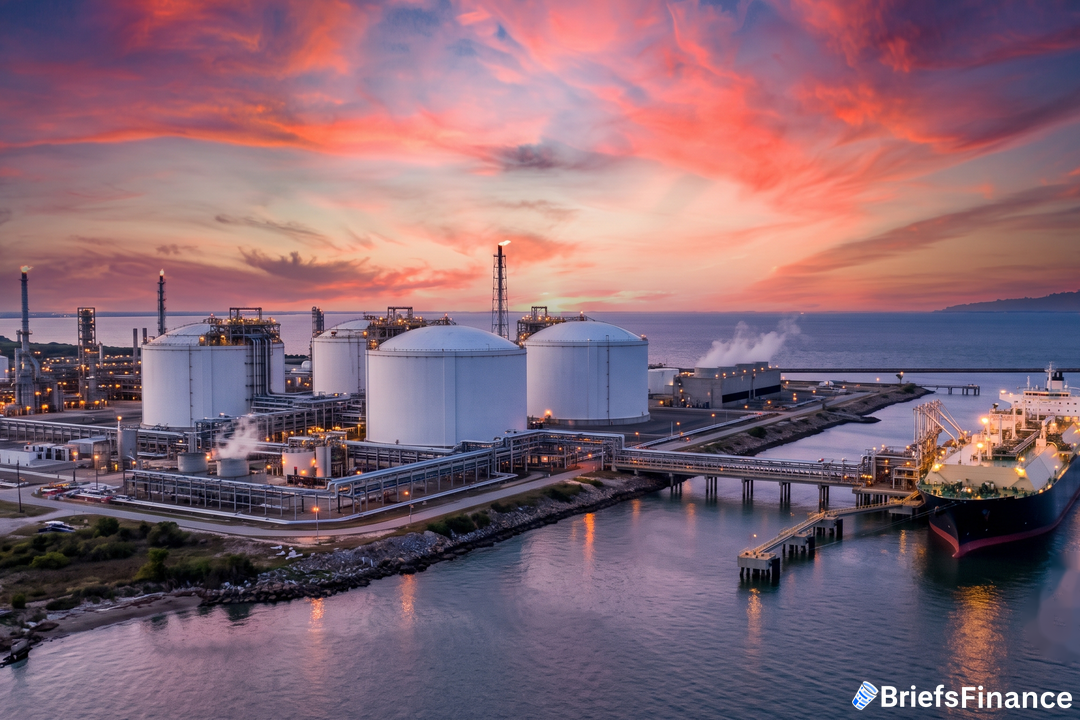
S&P Global reports that the Iran war has channeled fresh investment into U.S. LNG export terminals. After the outbreak of the Iran war, the United States - currently the leading global LNG supplier - has partially compensated for reduced Middle Eastern output, particularly by delivering cargoes to European and Asian markets.
"There's been really quite strong momentum to US LNG," said Daniel Yergin, vice chairman of S&P Global. "There's going to be a further focus on energy security, further focus on having alternatives to choke points," he said, adding that "we'll see buyers, looking even more strongly at US LNG as a form of diversification."
The conflict has upended longstanding assumptions about global gas supply routes. The Strait of Hormuz, a critical chokepoint for Middle Eastern LNG shipments, is now considered a high-risk zone, prompting buyers to seek alternatives. U.S. exporters, with abundant shale gas reserves and flexible pricing, have become the primary beneficiaries.
The restart schedule for Qatar's Ras Laffan plant, the largest LNG complex on the planet, remains unclear. Earlier this year, Iranian missiles struck and damaged that facility. This incident further underscores how vital American LNG shipments have become.
Get the market news that matters in a five-minute read with Market Briefs, our free daily newsletter
Minimal Impact on Domestic Prices
Though European and Asian gas prices have jumped, the firm's recent analysis of U.S. LNG's economic effects shows that American exports cause only a minimal effect on home energy bills, described as 'negligible'.
"The fact that the price went down when you had the biggest disruption in world energy since World War II tells you something about just how abundant and extensive the US economically recoverable natural gas reserves are," Yergin said.
S&P projects that the gas required to feed LNG facilities, largely situated on the Gulf Coast, will rise twofold over the coming five years.
A Reordering of Energy Security
The shift highlights a fundamental reordering of global energy security priorities. With the Strait of Hormuz under threat and Qatari production hobbled, buyers are locking in long-term contracts with U.S. exporters, ensuring a steady revenue stream for new terminals. This aligns with the broader trend of diversifying away from chokepoint-dependent supplies.
The turmoil stemming from the Iran war is also likely to push Gulf-state investors to pour money into U.S. projects beyond the Middle East. Although this investment pattern existed before the conflict, it is now anticipated to speed up.
"When you don't know what tomorrow is going to bring, assumptions that have been in place for decades have been overturned," Yergin said.
Join Market Briefs, our free daily newsletter, for a quick daily rundown of the markets