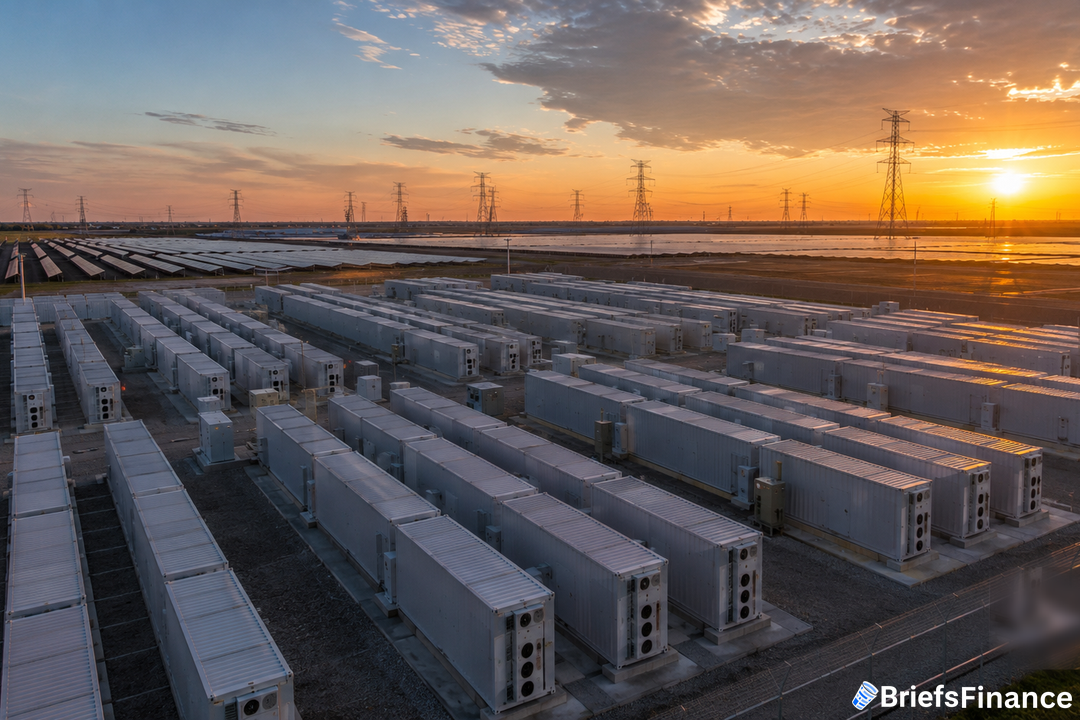
China has been rapidly expanding its energy storage capacity. Pumped hydro storage, a traditional method, currently stands at 66 gigawatts with a target of 160 gigawatts by 2030. Meanwhile, lithium-ion battery capacity had reached nearly 150 gigawatts by early 2026. This massive infrastructure forms the backdrop for the policy-driven utilization increase.
Why Battery Use Suddenly Spiked
For years, China required many renewable projects to install batteries. It made capacity grow fast, but it also left a lot of those batteries sitting mostly idle. Their installation was primarily a compliance measure.
Then the government shifted to a market-based mechanism. Today, battery operators can generate income through grid services. That simple shift gave storage a reason to actually work.
Pumped hydro, the older method of storing energy by moving water uphill, currently sits at 66 gigawatts with a target of 160 gigawatts by 2030.
Still Room to Improve
The big jump in usage is good news, but China is not maxing out yet. A battery system that is considered highly utilized typically completes approximately 350 full charge-discharge cycles annually, according to global standards. China's standalone systems at 299 and co-located ones at 199 both fall short.
Get the market news that matters in a five-minute read with Market Briefs, our free daily newsletter
That gap matters.
Most new projects being built now are standalone systems, not ones tied to a specific wind or solar farm. This is important because standalone batteries have multiple revenue streams - for example, buying power at cheap rates and selling it when prices climb. The old model of requiring co-location was less flexible.
Ember analyst Biqing Yang put it this way: "As the power system integrates more renewables, the true value of batteries to China's energy transition is becoming undeniable."
What It Means for Your Portfolio
China is the world's biggest battery market, and what happens there does not stay there. China had already installed nearly 150 gigawatts of lithium-ion battery capacity as of early 2026's first quarter close. That is a massive industrial base that is now being used more efficiently.
For investors, this is worth watching for a few reasons. First, higher battery utilization signals that China's grid is serious about absorbing renewable energy, which could affect global solar and wind markets. Second, the policy shift from mandated installation to market-based revenue is the kind of change that tends to ripple across the whole energy sector.
The catch: China still has room to improve utilization. If it hits that 350-cycle benchmark, the extra captured electricity would be enormous. That also means battery operators have upside they have not tapped yet.
For your portfolio, this is a signal that storage economics are improving globally. The same logic that made China's batteries more valuable - market pricing, flexible operations, grid services - applies to battery projects in the U.S., Europe, and elsewhere.
Keep an eye on companies that build, operate, or supply grid-scale storage. The policy shift in Beijing is making the case for batteries stronger everywhere.
Join Market Briefs, our free daily newsletter, for a quick daily rundown of the markets