Free NewsletterPro Login
Home » Deep Briefs »  » Why Is Everything So Expensive? Why Prices May Never Come Back Down

Why Is Everything So Expensive? Why Prices May Never Come Back Down

Author: Cierra Seay
Published: Sep 8, 2026 
Disclosure: Briefs Finance is not a broker-dealer or investment adviser. All content is general information and for educational purposes only, not individualized advice or recommendations to buy or sell any security. Investing involves significant risk, including possible loss of principal, and past performance does not guarantee future results. You are solely responsible for your investment decisions and should consult a licensed financial, legal, or tax professional before acting on any information provided.
Summary:
  • Everything feels expensive because years of price rises stack on top of each other. A lower inflation rate means prices are rising more slowly, not falling.
  • How far your paycheck goes depends on both prices and your pay.
  • The Federal Reserve aims for 2 percent inflation over the longer run, so some steady rise in prices is part of its plan.

Everything is so expensive because prices have risen for several years in a row, and those increases stack on top of each other. Years of price rises can leave everyday costs high even when inflation slows, because a lower inflation rate means prices are rising more slowly, not falling.

The catch? How far your paycheck goes depends on both prices and your pay. The Federal Reserve also aims for 2 percent inflation over the longer run, so some price growth is part of its plan.

What can you do? You can't control prices, but you can control where your paycheck goes first. To keep up with prices, rates and the economy, our free Market Briefs newsletter covers them in one 5-minute email each morning.

Why Everything Is So Expensive When Inflation Is "Only" 3.4%

Inflation is running at 3.4% right now. If your savings and your paycheck are not growing 3.4% a year, you are slowly getting poorer.

Between 2020 and 2026, cumulative inflation - the total price increase over the whole stretch - hit 32%. A paycheck that grew less than 32% buys less today than it did in 2020.

That 32% is an average but here is what happened to the things people actually need:

What Change, 2020 to 2026
Median wages +28%
Average grocery prices +32%
Rent +41%
Gas +47%
Electricity +48%
Car insurance +64%
Ground beef +79%

Rent, gas, electricity, car insurance and ground beef all ran past the average, and wages trailed every line on the list.

The Official Number Skips Your Groceries and Your Gas

Two things make that average misleading. First, the inflation number tracks a broad basket of items, including furniture and toys, and things you never buy can pull the average up or down.

Second, it may be the wrong measuring stick altogether, because the government and the Federal Reserve don't like watching it either. They prefer core inflation - the inflation rate with volatile food and fuel costs stripped out.

In English: The number they watch leaves out your grocery bill and your gas tank. So when the news says inflation is coming down, prices are not coming down, and the Fed will tell you as much.

The 2% Target Is Why Everything Is So Expensive on Purpose

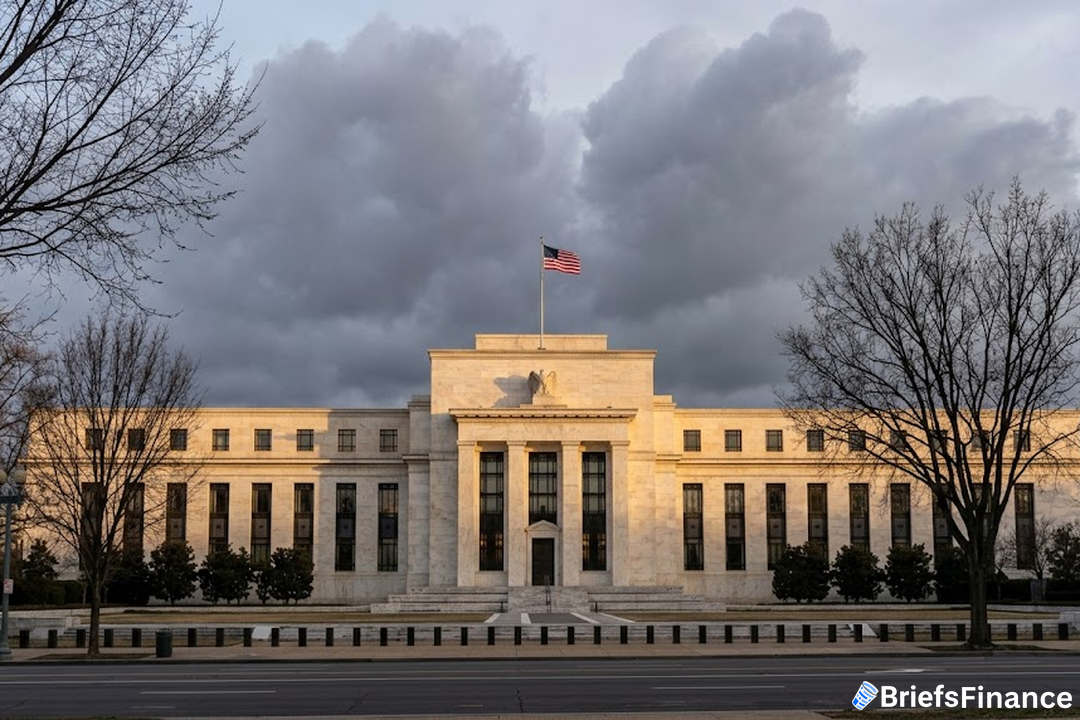
The Fed aims for 2% inflation.

Why 2%? Because our central bank and our government want inflation.

More infaltion can mean our economy is growing. But it also hurts the average person and makes some people richer.

Everything Gets More Expensive and the Investor Keeps the Difference

Our economic system has two kinds of people in it: Consumers, and investors who own the businesses. You can be a bit of both, but the money only flows one way.

The system runs on spending, and every one of us is a consumer. Spend money at Chipotle or Starbucks and you hand it to a worker.

The worker gets a salary. The investor who owns the place gets all the other profits, so money flows to the investor.

When the extra guac at Chipotle costs a whole lot more, more of your money goes to the business, but the worker does not see the extra.

Wages have not even kept up with inflation, so the extra dollars end up in the investor's hands. That is the first reason the government wants a little inflation.

A $40 Trillion Debt Needs Everything to Get More Expensive

The second reason goes back to the national debt. Inflation makes every dollar worth less, and that is a gift if you owe $40 trillion of them.

Picture buying a $500,000 house with a 30-year mortgage, financing every dollar, and the bank lets you skip payments for 30 years. Good deal or bad deal?

For most people, good. In 30 years that house will probably cost millions, so the debt will not feel as painful, and a payment that stings today might feel like peanuts.

Inflation ate the real cost of that debt. The government is in the same spot: Paying back $40 trillion with today's money is hard, but inflate away what those dollars are worth and the debt is not as painful.

The Fed says as much, publicly, on its own website. It wants inflation low enough that the average worker does not notice it day to day, and 2% clears that bar.

Once inflation reaches 3% or 3.5%, people feel it in their pockets every day and start asking questions.

Three Things Making Everything So Expensive Right Now

Money printing gets most of the blame, and it has been the story since the pandemic.

But three other things are pushing prices higher right now:

  • The war in the Middle East. Everyone hoped it would be over by now, and it is keeping prices higher for longer.
  • More tariffs. A tariff is a tax a business pays to bring products into the United States, and 2026 has delivered more of them.
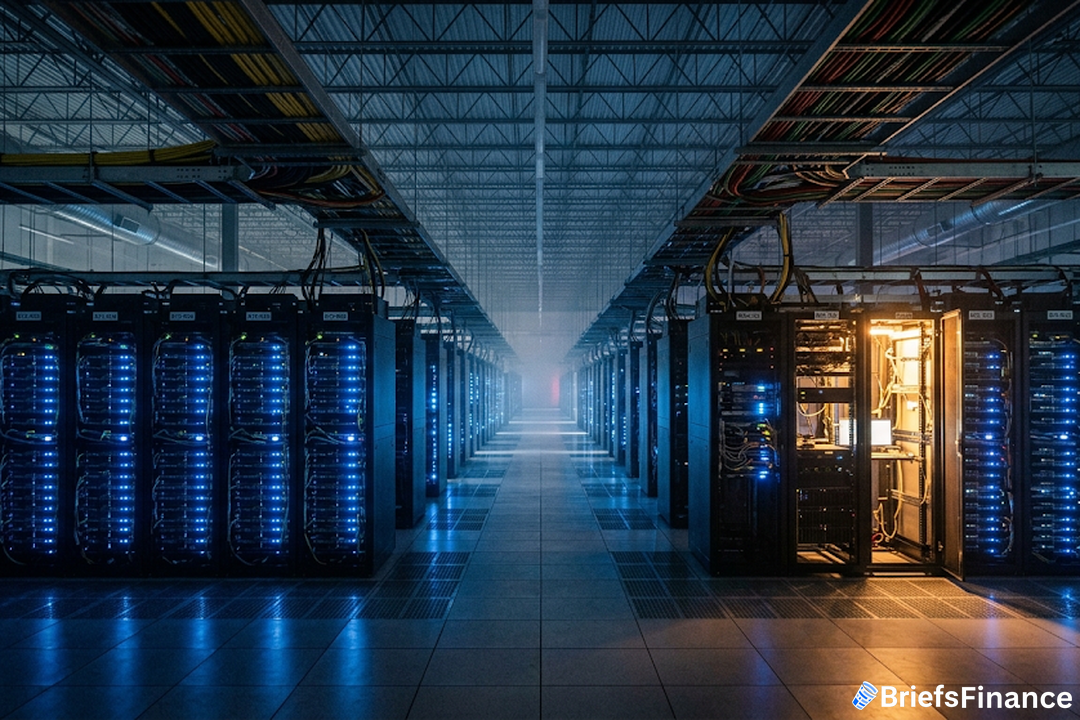
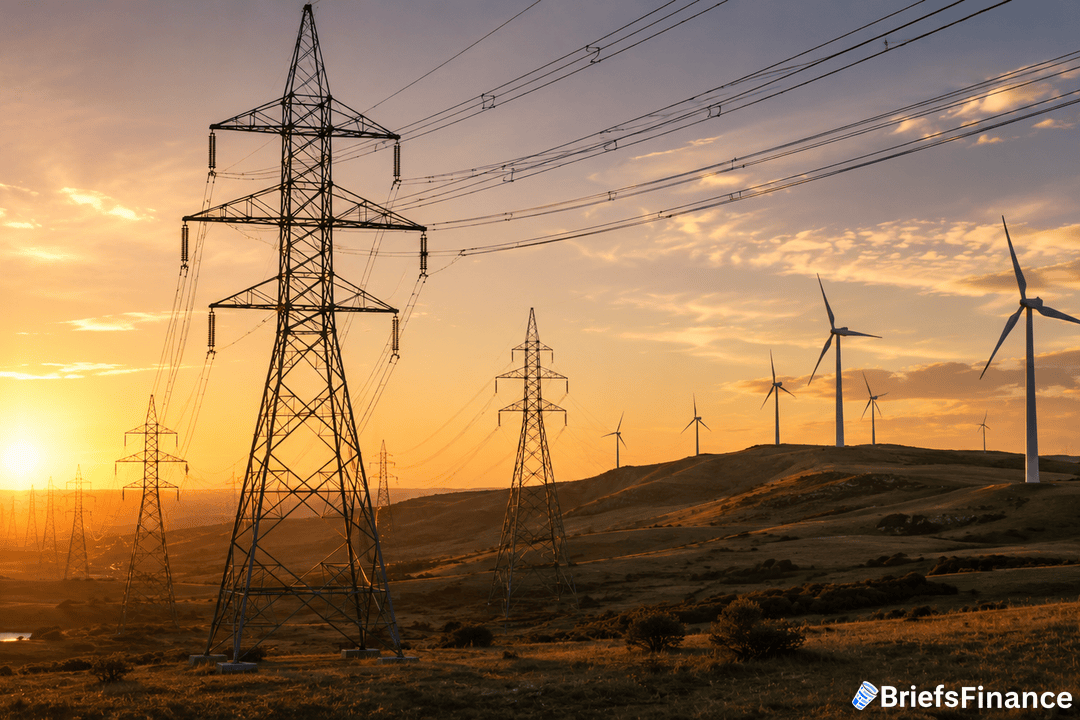
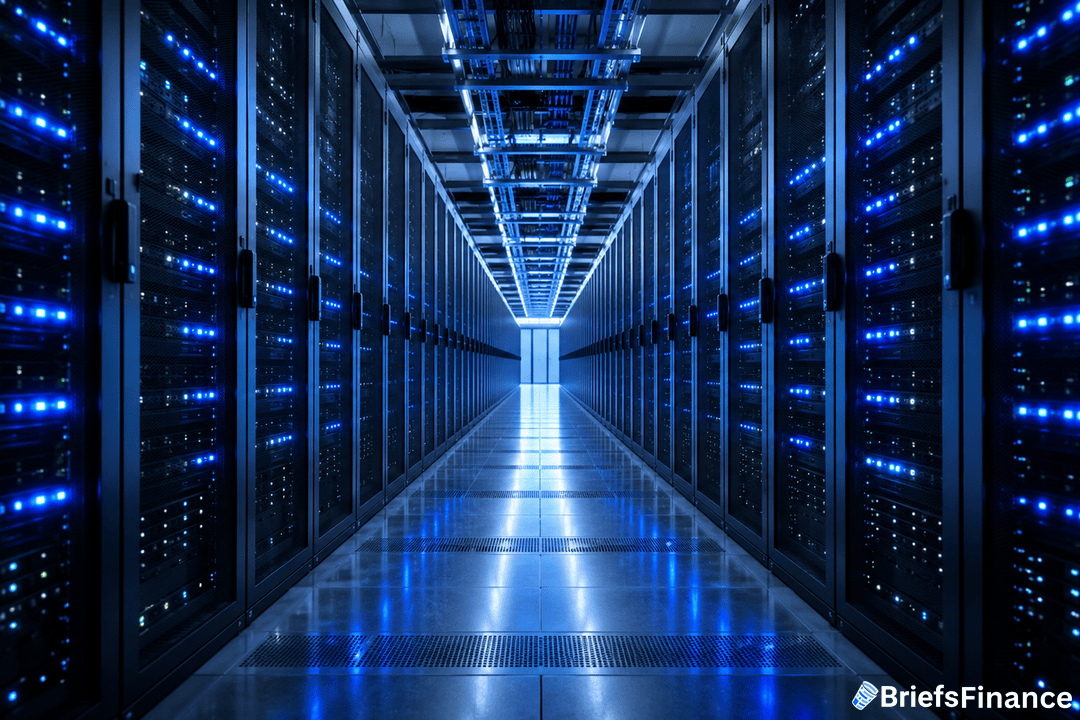
  • AI data centers. AI has become a huge consumer of electricity, so energy prices climb, and energy sits inside the price of everything.

How Inflation Works: Gas Goes Up First, Your Raise Comes Last

This is how inflation works: Prices do not all rise at once, but certain things go up faster than others.

So why are gas prices going up before anything else? A war in the Middle East means higher oil prices, and gas follows oil straight to the pump.

Food gets hit second, because higher oil means higher diesel, and moving groceries from the farm to the warehouse to the store costs more. Farmers pay more to grow the food too, because producing it takes oil.

Goods come third: Cars, appliances and electronics, pushed up by oil and by tariffs.

Once it costs more to fill your tank, feed your family and buy a car or a TV, services go up. Your attorney, your dentist and your landlord need to make more money too, so service prices and rent rise next.

They rise slower than the rest, but they are stickier. Services and rent do come down, just more slowly than everything above them.

Wages come last, and least. Over the last six years inflation ran 32% while the median wage grew about 28%, so the raise shows up after the prices and never quite catches them.

Investors Got 150% Richer While Everything Got More Expensive

Who got richer? The investor.

Money parked in the S&P 500 - the broadest measure of the stock market - grew about 150% between 2020 and 2026.

Wages could not keep up with prices, and investments outran both.

Does the stock market only go up? No, and the last six years prove it:

  • 2020: The market crashed.
  • 2022: It fell 20%.
  • 2025: It crashed three times as President Trump announced tariffs, pulled them back, announced them again, held Liberation Day, and pulled back again.
  • 2026: Heavy volatility after the United States invaded Iran.

Over time, though, markets go up, and inflation pushes the stock market and other asset prices up with them.

Buying through drops like those instead of waiting them out is what separates the investors who got that 150% from the ones who watched it.

September 16: Save the Dollar or Save the Economy

Every road leads back to September 16, when the Federal Reserve mets to give its next signal on how it plans to fix inflation and the economy.

Some wants rate cuts to stimulate the economy, at the cost of making inflation worse. Others want to raise rates and crash the economy to fix inflation.

The Fed's own line is wait and see, with a warning that rate hikes might come in 2026 to calm the economy down, because inflation is becoming a bigger problem.

So the real question for September 16 is what the Fed protects first: fix inflation and save the dollar, or fix the economy and risk crashing the dollar.

How to Start Investing When Everything Is So Expensive

Knowing what is happening is step one. Step two is getting your money in order before you invest a dollar.

That means a couple thousand dollars saved to cover an emergency, then paying off high-interest debt - credit cards and payday loans - before you even think about investing.

A credit card can cost 15%, 18% or 25% a year. The average stock market return has been about 10% a year over the long run, so paying off the card is the better return.

Step three is to become an investor, and that includes investing some time and resources into figuring out where your money should go.

It is painful to hear, because none of us were taught to be investors. We were taught to be workers, and in this economic system the wealth goes to the investor.

Prices are out of your hands, but your first move isn't. To keep up with what's driving prices, get the free Market Briefs newsletter, one 5-minute email each morning on the economy, stocks, real estate and crypto.



Tag »

More Deep Briefs

Is This Stock a Good Buy? How to Use the Briefs Score to Tell If a Stock Fits the Way You Invest

How to Tell an Asset From a Liability: The One Question to Ask Before You Buy Anything

How to Build Your First $2,000 Emergency Fund and Wipe Out Every Debt Over 10%

How to Invest Through a Crash: 3 Rules From the Worst-Timed Investor Alive

Active vs. Passive Investing: How To Build A Million Dollar Portfolio Faster

Growth, Income, or Wealth Preservation: How To Build Wealth No Matter Which Way You Invest

What Is the Briefs Connector? A Simple Guide

Is a Recession Coming? What the Last Five Rate Hiking Cycles Say

Fed Interest Rates May Rise Again in 2026 - and the Newest Culprit Is AI

Housing Market 2026: Why Office Buildings Are Cracking Before Houses Do

Dividend Investing vs. Growth Investing: Why the Slower Portfolio Can End Up Bigger
Why Is Gold Going Down? A 5.2% Treasury Yield Just Took Its Job

The Strategic Bitcoin Reserve: Why the Government Wants Bitcoin to Explode

BRIEFS EXCLUSIVE: 43% Of Respondents Say Bills Outran Their Income Over Past Two Years

The Economy Is Booming. So Why Did Stocks and Bonds Fall Together?

The 2026 Economic Reset Is Starting: Are We in a Recession, or Is the Pain Still Ahead?

Are We in a Recession? Without AI, America Might Already Be in One - and Washington Knows It

Will Interest Rates Go Down in 2026? Where the Money Moves Either Way

How the Federal Reserve Makes Money - and Why It Just Posted Its Biggest Loss Ever

Kevin Warsh Just Defied Trump: What the Fed Rate Hike Means for Your Money

Why America Bailed Out the Yen: The Japan Carry Trade, the Dollar and Your Mortgage Rate

Treasury Yields Are Spiking Because Lenders Are Backing Away From U.S. Debt

Fiat Currency Runs on Trust, and the World Just Stopped Trusting the Dollar

When Will RAM Prices Go Down? Inside the Memory Shortage

How Is the Economy Doing? Washington Says It's Fixed, but the Numbers Don't Agree

US National Debt Hits $40 Trillion: Why the Economy Hasn't Collapsed Yet

Your 401k Is Fueling the AI Bubble

What Is Wealth Preservation? How To Protect Your Money From Anything

Why Is Everything So Expensive? Why Prices May Never Come Back Down

US Housing Market: Why Renting Can Cost Less Than Buying

An Interest Rate Hike in 2026? The Fed Just Broke Its Own Script

5 Passive Income Ideas That Pay You Whether You Work or Not

The Best Way to Invest 10k: Three Options To Transform 10K into 10 Million

The Tax Write Offs the Rich Are Using in 2026 While the IRS Shrinks

America Is Running Out of Debt Buyers. Treasury Bills Are the Government's Fix

How to Get the Most From Your Guideline 401k

Principal 401k: What to Know About Your Plan

What a Tariff Dividend Means for Your Money

No Tax on Overtime: How Overtime Pay Is Taxed

Reading the Silver Price Forecast for 2026

What to Do When Reddit Stocks Go Viral

Why Is Bitcoin Dropping? 4 Reasons Bitcoin Falls

The Fidelity 500 Index Fund, Made Simple for Beginners

USA Penny Stocks: Risks and Rewards Explained

Finding Cheap Stocks to Buy Now Without Getting Burned

Best Dividend Stocks: A Beginner's Playbook

Roth 401k, Explained for New Investors

How a Roth IRA Calculator Shows Your Future Wealth

Portfolio Diversification: Why Putting All Your Eggs in One Basket Destroys Wealth

Non Taxable Income: What It Is and Why It Matters

What Are Semiconductor Stocks? Chip Stocks Explained

How Stocks Work: A Simple Guide for Beginners

Stop Loss vs Stop Limit: What's the Difference?

Energy Stocks: A Simple Guide for Investors

What Is a Stop Loss Order? A Simple Guide

Best S&P 500 Index Fund: How to Choose One

What Are Penny Stocks? Risks and Rewards Explained

Best Stocks for Beginners With Little Money

Tech Stocks: A Simple Guide for New Investors

What Is a Joint Stock Company? A Simple Guide

Capital Gains Tax in California: A Simple Guide

Top Covered Call ETFs: How to Compare Them

What Are Stock Options? A Plain-English Guide

EBITDA Margin: What It Is and How to Calculate It

What Is Taxable Income? A Simple Guide for Investors

What Is a Covered Call? How the Strategy Works

What Is Gross Margin? A Simple Guide for Investors

What Is a Dividend? A Plain-English Guide for Investors

Financial Literacy Books That Actually Build Wealth

What Is a Roth Conversion? A Simple Guide

Trailing Stop Loss: How to Protect Your Gains

5 Types of Wealth: Why Money Is Only One of Them

How to Invest in Private Equity: A Beginner's Guide

What Is a Call Option? A Simple Guide With Examples

EBITDA Formula: How to Calculate It Step by Step

What Is a Stock Option? A Plain-English Guide

Put Option: What It Is and How It Works

Operating Margin: What It Is and How to Calculate It

Enterprise Value: What It Is and How to Calculate It

Free Cash Flow: What It Is and Why It Matters

What Is Working Capital? A Simple Guide for Investors

Covered Call: How This Income Strategy Actually Works

Gross Margin: What It Is and How to Calculate It

Backdoor Roth IRA: A Simple Guide for High Earners

Mega Backdoor Roth: A Simple Guide for Big Savers

Dividend Calculator: How to Estimate Your Dividend Income

How to Create Multiple Income Streams: A Beginner's Playbook

The 60/40 Portfolio Explained: A Beginner's Guide

How to Invest in Silver: A Beginner's Guide

Asset Allocation by Age: The Right Portfolio Mix at Every Stage of Life

Stablecoin Explained: Why Some Cryptocurrencies Actually Aren't Volatile

Buy Now, Pay Later Risks: Why This "Easy" Payment Method Is Dangerous to Your Wealth

Dividend Payout Ratio: The Secret Metric That Shows If a Stock Is Safe or Risky

Ethereum for Beginners: What It Is and Why Smart Investors Are Paying Attention

Dollar Cost Averaging Strategy: How to Beat Emotion and Build Wealth Steadily

The BRRRR Strategy: How to Build Real Estate Wealth Without Big Money Down

What Is GDP? A Beginner's Guide to Understanding Economic Growth

What Is Blockchain? A Plain English Guide For Investors

How To Negotiate Bills: The Script That Saves You Hundreds A Year

The 75/15/10 Rule: How to Split Your Paycheck, With Examples

1 2 3

Get Market Briefs delivered to your inbox every morning for free!

No fluff. No noise. No politics. Just finance news you can read in 5 minutes.
Join Free

Blogs

October 16, 2026
How Boring Math Makes You Rich: The Briefs Money Spreadsheet, Explained
  • Briefs Money shows you what to do with every paycheck, and in what order: how much to spend, save, and invest, when to build an emergency fund, and which debt to pay off first.
  • The Climb to Wealth course walks you through the system step by step, and the Personal Finance Spreadsheet is where you track your own numbers.
  • Investing is one piece of building wealth. The system that gets money to your investments, and keeps it there, decides the outcome.
Read More
October 16, 2026
Common Investing Mistakes: Why a Stock Grade Is One Tool, Not the Whole Toolkit
  • The Briefs Score shows growth, income, and wealth preservation investors how well a stock fits their goal, with a separate letter grade for each one.
  • The most common mistake is treating the letter as an instruction. An A tells you a stock scores well for one goal, not that you should buy today.
  • Research works best as one input in a process you own. The grade shows how a stock stacks up. You supply the goal, the timeline, and the rules for being wrong.
Read More
October 16, 2026
How to Read a Company's Numbers Without a Finance Degree (Using Briefs Terminal)
  • Briefs Terminal lets you size up any public company in about ten minutes: what the stock costs, what it earns, how fast sales are growing, and what it pays you, all on one page.
  • It lines those numbers up against the company's closest competitors for you, so you can tell if a number is impressive or just average.
  • Below that are the income statement, balance sheet, and cash flow statement from the company's SEC filings, the latest news, and transcripts of its earnings calls.
Read More
October 16, 2026
What Type of Investor Am I? The Three Investor Archetypes, Explained
  • Briefs sorts its stock grades and monthly reports by three investor goals: growth, income, and wealth preservation. Pick yours and you know which report and which grade to read first.
  • Growth investors want stocks that beat the S&P 500. Income investors want to get paid in cash. Wealth preservation investors want stocks that hold up when the market drops.
  • The same stock can score an A- for one goal and a D- for another, so picking your goal comes before picking any stock.
Read More
October 16, 2026
How to Build a Stock Watchlist That Isn't Just Stocks You Heard About
  • A watchlist on Briefs Terminal lets you group stocks by the idea you're tracking and follow each one's price, one-day move, and 52-week high and low in one place.
  • Each list has its own name and description, so you always know why a stock is on it, and you can make as many lists as you have ideas.
  • The monthly growth, income, and wealth preservation reports under the Briefs Research tab hand you new themes to track that you didn't hear about online.
Read More
October 16, 2026
How to Choose an ETF That Matches Your Idea (Using the ETF Planning Tool)
  • The ETF planning tool takes an idea like "I want to invest in fast food companies," asks what you mean, and finds the ETFs that match, with the reasons, the holdings, and the sources.
  • Build a Plan then shows what your money could grow to in those ETFs over the years you choose, with conservative, expected, and optimistic estimates next to the S&P 500.
  • It gets you from an idea to an actual plan without researching dozens of companies one at a time.
Read More
October 16, 2026
Is This Stock a Good Buy? How to Use the Briefs Score to Tell If a Stock Fits the Way You Invest
  • The Briefs Score shows growth, income, and wealth preservation investors how well a stock fits their goal, with a separate letter grade for each one.
  • One stock can score very differently for each. Nvidia showed an A- for growth and a D- for income, because it grows fast and pays almost no dividend.
  • Seven sub scores under each grade show what earned the letter, so you can see exactly where a stock is strong or weak for your goal.
Read More
October 16, 2026
How to Tell an Asset From a Liability: The One Question to Ask Before You Buy Anything
  • The typical American household earned more in 2025 than in any year on record, yet only 30% of Americans say they could pay a surprise $1,000 bill from savings, so the problem isn't income but what the income gets spent on.
  • An asset puts money in your pocket and a liability takes money out, and the wealthy buy assets first, then let the assets pay for the fun stuff.
  • Before you buy anything, ask one question: does this put money in my pocket, or take money out of my pocket? Then you need a plan for the money you keep.
Read More
October 16, 2026
How to Build Your First $2,000 Emergency Fund and Wipe Out Every Debt Over 10%
  • Your first money goal isn't investing, it's $2,000 in its own account named Do Not Touch, built by moving 10% of every paycheck into it automatically.
  • More than a third of American adults couldn't cover a $400 surprise bill with cash or savings, according to the Federal Reserve, and that's how one bad day turns into years of credit card payments.
  • Once the $2,000 is there, attack every debt charging more than 10% interest, highest rate first, because you can't out-invest a 22% credit card so paying it off is the investment.
Read More
October 16, 2026
How to Invest Through a Crash: 3 Rules From the Worst-Timed Investor Alive
  • Meet Bunty, a fictional investor with the worst timing in history: he put $100,000 into the market in four chunks right before four crashes, never sold, and by 2025 it had grown to more than $500,000.
  • Investors who jump in and out of the market miss its best days, and missing just a handful of those days can cut your final result roughly in half.
  • The fix is ABB, Always Be Buying: you buy on a schedule through booms, crashes and scary headlines, which matches the market, and beating it takes knowing where the money is moving first.
Read More
1 2 3 … 29
Share via
Copy link