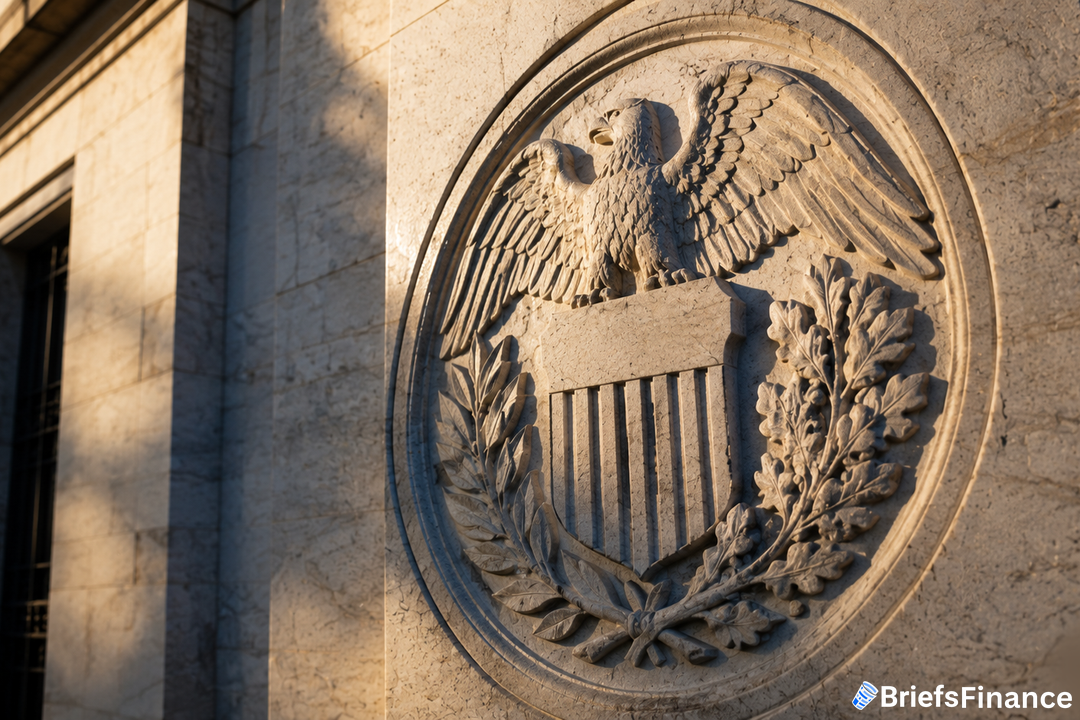
Buffett's Take on the New Fed Chair
The Oracle of Omaha just gave the new Fed chair a vote of confidence.
The billionaire investor and CEO of Berkshire Hathaway did not stop there. He made it clear he thinks Warsh understands the assignment.
"I think he will do the best he can at achieving the job he was assigned to do, which is 2% inflation and maintaining maximum employment," Buffett said.
That is the Fed's dual mandate in plain English - keep price increases around 2% while keeping as many people working as possible. It sounds simple, but it is a constant balancing act.
Buffett was realistic about what Warsh can pull off. He pointed out that nobody gets it perfect, including himself. "He can't be perfect at it, and just like I know I couldn't be perfect at taking people's money and earning super returns on it," Buffett added.
Get the market news that matters in a five-minute read with Market Briefs, our free daily newsletter
Still, the message was clear: Buffett trusts Warsh's intentions. "He cares about the country," Buffett said.
Warsh's First Moves as Fed Chair
His first official meeting as chair happened in June, and he did not do anything dramatic - he kept interest rates where they were.
But that quiet start did not last long.
On Tuesday, Warsh sat down for congressional testimony and promised something much bigger. He told lawmakers the central bank was headed for a "regime change" - a loaded phrase that signals a serious shift in how the Fed manages policy. He is scheduled to appear again on Wednesday before the Senate Banking Committee to continue explaining what that means.
The big question is what "regime change" actually looks like. Warsh has to fight inflation while keeping the job market strong. He already has a 2% inflation target stamped on his to-do list. The changes he hinted at could involve how the Fed communicates its plans, how it uses interest rates, or even how it approaches its own balance sheet.
What This Means for Your Portfolio
When a new Fed chair takes over and promises a major shift, the entire investing world pays attention. Interest rates affect the cost of borrowing for companies, the returns on bonds, and the value of stocks. A change in direction can ripple through every corner of the market.
Warsh is still early in his tenure. But his testimony this week, plus the follow-up on Wednesday, will give investors a much clearer sense of where he wants to take things.
The bottom line: Buffett's public vote of confidence matters because it signals that one of the most respected investors in history is willing to give the new chair room to work. That does not mean Warsh will get everything right. It does mean the person setting interest rates for the next several years has earned the trust of someone who has seen a lot of Fed chairs come and go.
For anyone with money in the market, the next few months will be about watching how Warsh turns his "regime change" promise into real policy. The testimony on Wednesday is the next big clue.
Join Market Briefs, our free daily newsletter, for a quick daily rundown of the markets