Why Goods Are Moving Early
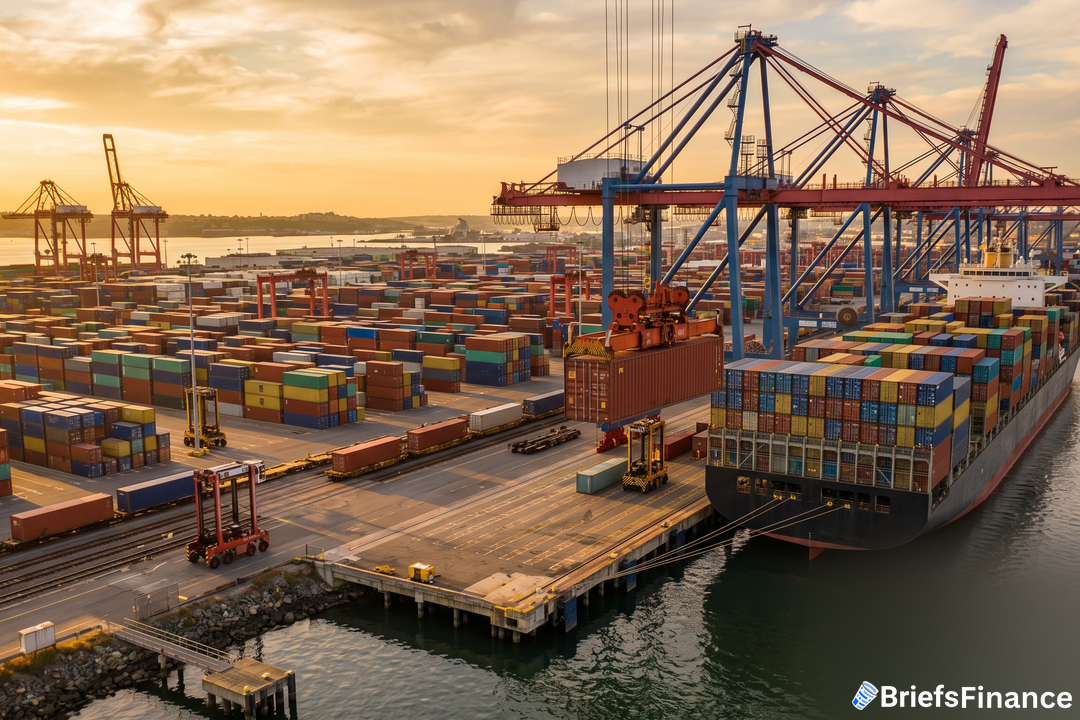
Importers are not waiting around. They are racing to bring products into the country before potential tariff hikes kick in, and the conflict in Iran is adding to the uncertainty. The result is a massive surge at the two biggest US ports.
Its neighbor, the Port of Long Beach, processed 779,000 TEUs, up 10.6% from last year. Combined, the two ports topped 5 million loaded import containers in the first half of the year, a mark previously reached only in the pandemic years of 2021 and 2022.
"This year's early peak season is expected to continue through July as retailers and other importers prepare for potentially higher tariffs beginning in August and other trade uncertainties," said Jonathan Gold. Gold is an executive at the National Retail Federation who oversees supply chain and customs policy. A temporary 10% tariff is set to expire July 24, and President Donald Trump is expected to unveil additional import duties under other legal authorities.
The Numbers Behind the Rush
The data shows a clear pattern: imports are jumping while exports stay flat. At the Port of LA, loaded inbound containers rose 13% in June compared to last year, hitting 530,500 TEUs. Exports, on the other hand, were unchanged at 126,365 TEUs. Meanwhile, empty containers leaving the port climbed 17%, a sign that carriers are rushing to get boxes back to Asia for more cargo.
Get the market news that matters in a five-minute read with Market Briefs, our free daily newsletter
Ocean freight rates tell the same story. Judah Levine, head of research at Freightos, explained that importers are pulling demand forward. "You're pulling forward demand that otherwise would've come later," he said.
Shipping companies are feeling the boost. Matson Inc., a carrier, saw its share price surge about 70% this year. Both A.P. Moller-Maersk A/S and Hapag-Lloyd AG have improved their second-half profit outlooks.
The early buying spree is straining port infrastructure and warehouse capacity, as goods meant for fall and holiday shelves arrive months ahead of schedule. This front-loading of imports has led to congestion and higher storage costs, forcing logistics providers to adapt quickly.
What Comes Next for Your Portfolio
The surge may not last. That means the current boom could be an early peak, with demand already used up.
Kyle Henderson, CEO of Vizion, pointed to the type of goods moving early. "Woven more than doubled year-over-year and carried over half of June's gain. When the fall-goods chapter spikes in June, that's inventory moving early."
Importers are essentially front-loading shipments for fall and holiday goods, which could lead to a sharp slowdown in the second half of 2026 if tariffs are imposed or delayed.
Projections indicate a 4.5% drop in import volumes for August, with further decreases expected through at least November.
Join Market Briefs, our free daily newsletter, for a quick daily rundown of the markets