Device Details
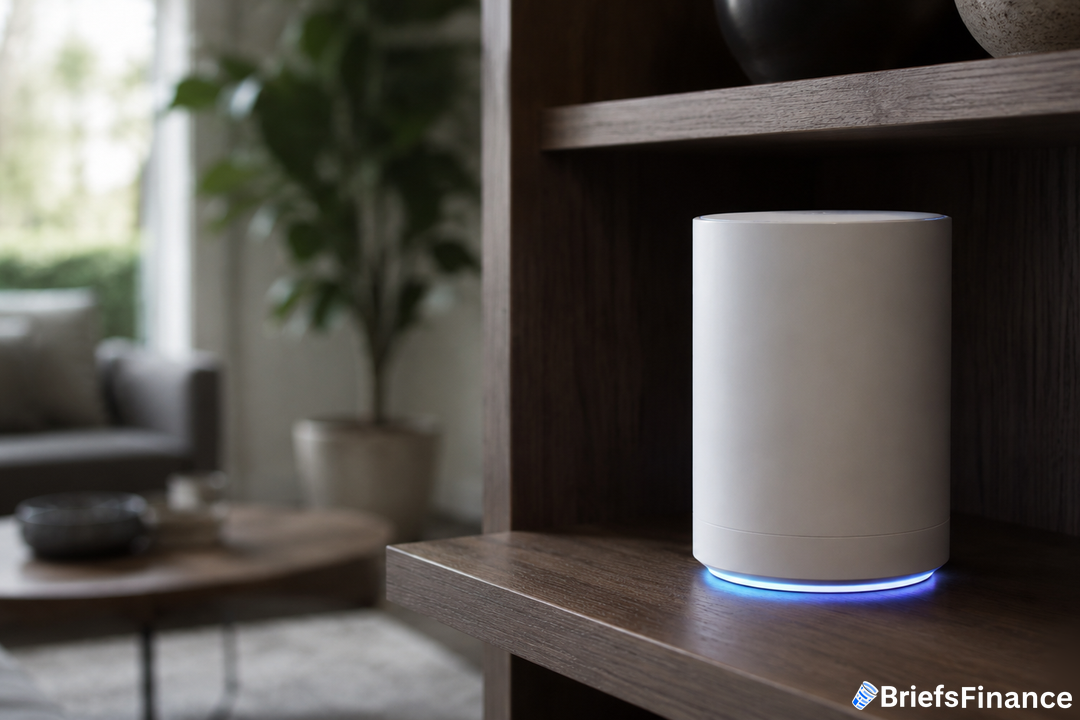
In a July 14, 2026 report, Bloomberg indicated that OpenAI's device - still being developed - is designed without a screen. People familiar with the project describe it as an AI companion that resides in the home and mimics human interaction. The device, sources say, possesses a "personality" and can actively adapt to its owner's habits, offering increasingly tailored assistance over time.
Sources say the device can draw on a user's emails and other digital information to provide context. The device also involves "mechanical elements that can move on their own" and is designed to "feel like a companion and become a physical manifestation of OpenAI's ChatGPT." Bloomberg notes that the device's development involved numerous ex-Apple engineers who played key roles in building iconic gadgets like the iPhone and Mac.
Get the market news that matters in a five-minute read with Market Briefs, our free daily newsletter
For some time, OpenAI has expressed ambitions to release a physical device, and speculation has included the possibility of a proprietary smartphone that would directly rival Apple.
Legal Dispute with Apple
Last week, Apple filed a lawsuit against OpenAI, alleging theft of proprietary information. An Apple spokesperson said, "the accusations are just the tip of the iceberg," and added that further improprieties will emerge during legal discovery. OpenAI refutes the claims. According to unnamed individuals familiar with OpenAI's strategy, Bloomberg reports that the company believes its device "veers significantly from anything Apple has on the market today" and is "unlikely that it violates trade secrets" belonging to Apple.
The involvement of former Apple engineers in the device's development adds a layer of complexity to the legal dispute, as Apple may argue those engineers brought proprietary knowledge. However, OpenAI's screenless, self-moving design could serve as a key differentiator, making it harder for Apple to prove trade secret theft.
Industry Context
The smart home market is currently dominated by Amazon's Alexa-powered devices and Google's Nest Hub, but OpenAI's entry with a moving, screenless companion could disrupt that landscape. The involvement of ex-Apple engineers suggests a premium design ethos, potentially appealing to consumers who prioritize aesthetics and seamless integration. The move into hardware marks a strategic shift for OpenAI, which has primarily been a software and research organization. The reported device, if successful, could position the company as a direct competitor in the smart home market, challenging existing players like Amazon and Google.
Hark's goal is to develop "personal intelligence" - a combination of proprietary AI models and custom hardware that acts as a "universal interface between humans and machines." The firm has not disclosed the physical design of its device, highlighting the substantial investment flowing into this space prior to any product launch.
Join Market Briefs, our free daily newsletter, for a quick daily rundown of the markets