The Attacks That Shook the Shuttle Run
The Strait of Hormuz is a narrow choke point connecting the Persian Gulf to the open ocean. Every day, tankers shuttle crude oil from producers like Saudi Arabia, Iraq, and the UAE out to global markets. That routine trade just hit a major snag.
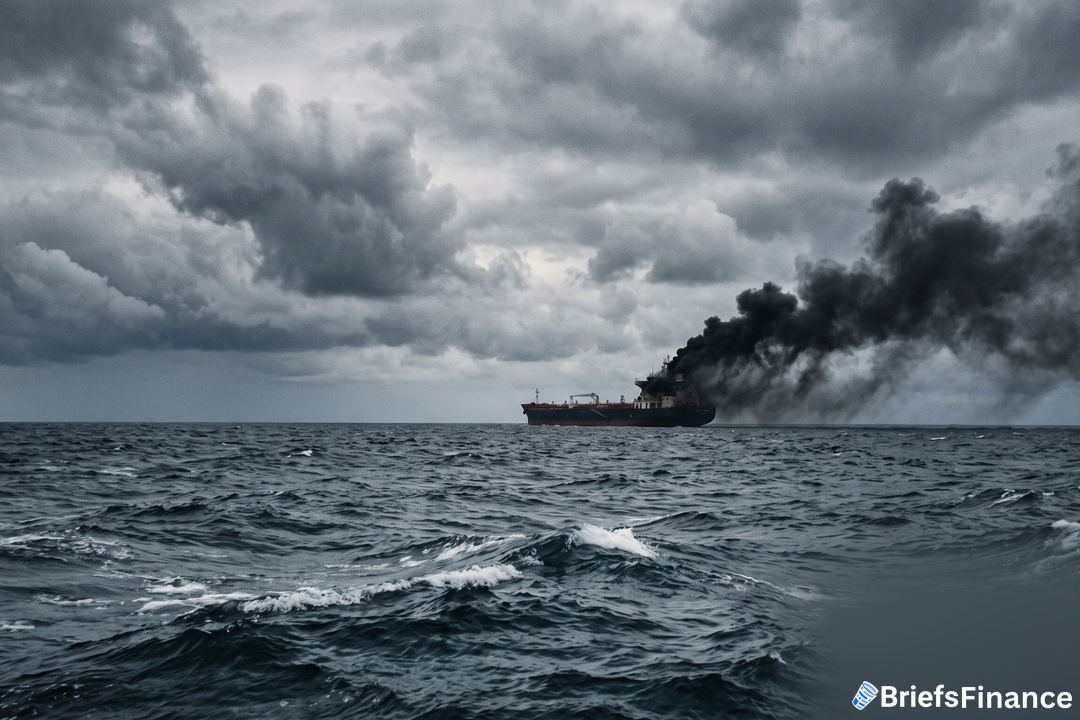
The vessels that got hit belonged to the UAE's state-owned oil company Adnoc and South Korea's Sinokor Group. It was not a small skirmish. The Institute for the Study of War, a Washington-based think tank, noted that Iran's ability to cause problems in the strait remains high. In their words, "the threshold for Iran to be able to disrupt shipping in the strait remains low."
The result was immediate. The jump in oil prices is a direct signal that the market sees real risk, not just noise.
Insurance Spikes and Ships That Won't Move
You cannot move a million barrels of oil through a war zone without buying insurance. But that coverage has gotten shockingly expensive.
Get the market news that matters in a five-minute read with Market Briefs, our free daily newsletter
Simon Lockwood, who heads the shipowners marine division at insurance broker Willis Towers Watson, put it bluntly. "Cover is always available at a price," he said. "The hard reality is that this is an almost academic exercise: since the renewed escalation, very little is moving."
The UN's shipping agency is also telling companies to stay away. The International Maritime Organization's secretary-general, Arsenio Dominguez, urged ships to stay clear of the Strait of Hormuz, telling countries and companies "not to take risk to transit" while conditions are dangerous.
So the shuttle run has mostly stopped. Crews are reluctant to sail into danger. Very little crude is moving through the strait right now.
What Happens Next
Here is the tricky part. That pause in shipping may not last long. Charter fees for tankers are sky-high, and the UAE wants to keep the trade running.
Officials there are evaluating each crossing on a case-by-case basis. The financial incentive to move oil is still huge.
The US has carried out additional strikes aimed at degrading Iran's ability to attack ships. But analysts at the Institute for the Study of War warn that the security situation "will remain highly volatile." Any return of shipowners to the strait depends entirely on their own risk calculations.
The bottom line: Iran has shown it can rattle the world's most important oil route with a single attack. That does not mean oil prices stay elevated forever. But it does mean that every headline out of the region now carries real weight for crude markets.
Join Market Briefs, our free daily newsletter, for a quick daily rundown of the markets