What the EU Is Actually Proposing
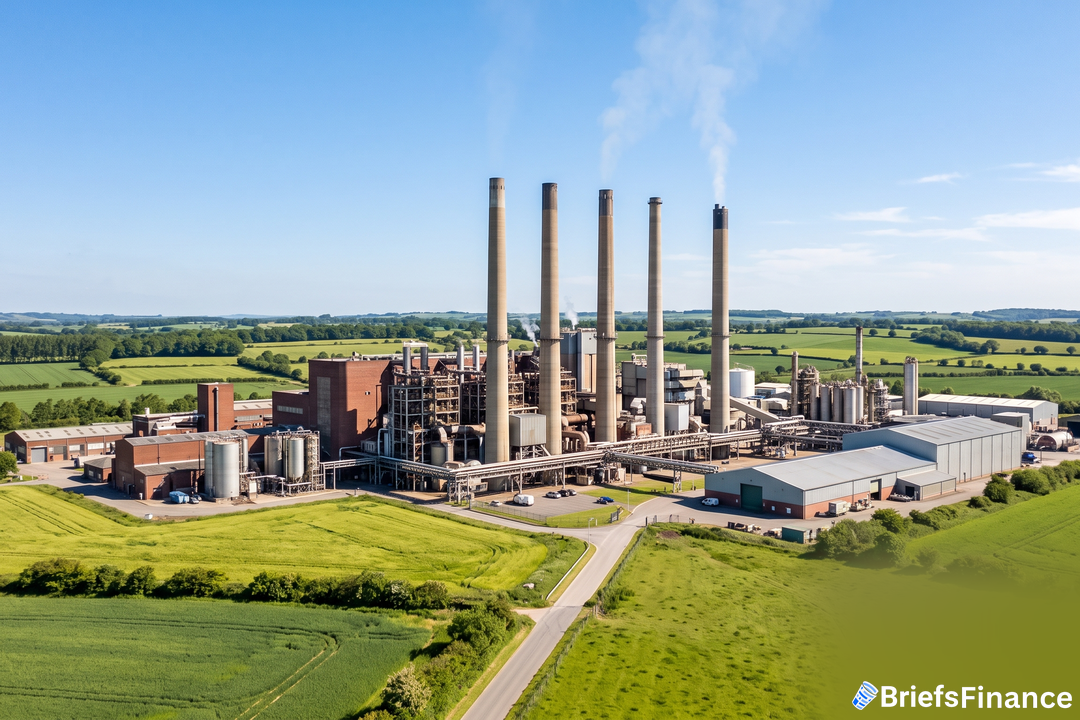
The European Union has run a carbon market since 2005. It covers roughly 10,000 industrial facilities like steel mills, cement plants, and fertilizer factories. Here is how it works: each year the total amount of carbon those facilities can release shrinks by a set percentage.
That percentage is called the Linear Reduction Factor, or LRF. Right now it is 4.4%.
The EU wants to ease off that pace. From 2036 onward, it would slow further to between 2% and 2.4%.
The overall goal is still a 90% reduction in emissions by 2040 compared with 1990 levels.
Why They Are Pushing the Brake
Rising energy prices linked to the Middle East conflict have drawn fresh attention to carbon costs, intensifying worries about Europe losing ground to the US and China in industrial competitiveness.
Get the market news that matters in a five-minute read with Market Briefs, our free daily newsletter
"Extending the ETS cap closer to 2050 is therefore necessary," the ten nations stated in a joint declaration, as reported by Bloomberg. "This adjustment should be introduced as soon as possible as our industries are under acute pressure facing immediate and irreversible costs."
Certain member state governments and energy-intensive firms argue that the carbon market has pushed electricity and gas costs even higher.
What Else Changes with This Reform
The proposal is not just about slowing the emissions cap. Additionally, the EU plans to include 250 million tons of domestic carbon removals that meet high-quality standards. And it intends to allow up to 2% of the cap to be covered by international credits.
After 2030, the Market Stability Reserve's rate of absorbing surplus allowances will decrease from 24% to 12%. After the news came out, the price per ton of carbon sat at €81.16, down 0.3% on the day.
The proposed adjustments to the Market Stability Reserve, which would halve the absorption rate of surplus allowances from 24% to 12% after 2030, could influence carbon prices. Additionally, allowing up to 2% of the cap to be covered by international credits introduces flexibility. These changes collectively signal a balancing act between environmental targets and industrial viability.
The Broader Context
The concern over industrial competitiveness has been a persistent theme in EU climate policy. Energy-intensive sectors such as steel, cement, and chemicals face high electricity and gas costs partly driven by carbon pricing. Recent geopolitical tensions, especially the Middle East conflict, have further spiked energy prices, making the additional cost of carbon allowances a more acute burden.
The ten member states that pushed for a slower reduction pace argue that without this adjustment, heavy industry may relocate to regions with weaker climate rules, such as the US and China. The EU's long-term target remains a 90% cut in emissions by 2040, but the path now includes a gentler decline in the early 2030s to preserve industrial jobs and investment.
Join Market Briefs, our free daily newsletter, for a quick daily rundown of the markets