PDD has been telling investors for months that earnings were about to get bumpy. On Wednesday, the bump arrived.
Q1 profit at the Temu parent came in at 12.55 billion yuan, roughly $1.85 billion, against an analyst expectation of 22.80 billion yuan. That's not a small gap.
The stock dropped 5.4% in premarket trading.
What's Actually Going Wrong
The revenue line wasn't the problem. PDD grew sales 11% from a year ago.
The miss is on profit, and profit is down 15% year over year.
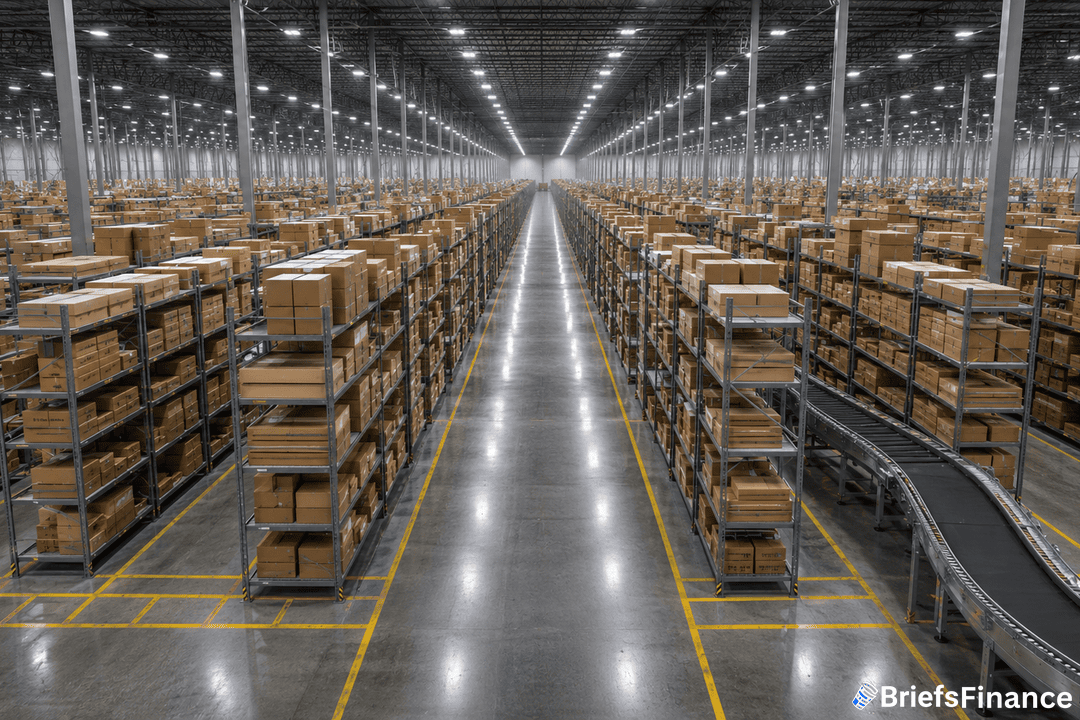
The reason PDD keeps citing is investment. The company is pouring money into its supply chain, merchant support programs, and a push into first-party brands.
In English: PDD wants to look more like a real retailer and less like a marketplace, and that costs money on the way there.
China's own e-commerce market isn't helping either. Growth has slowed, and the big players are spending hard to keep their merchants.
PDD's vice president of finance Jun Liu said the company is "investing resolutely" in supply chain capabilities.
Want a daily read on earnings stories like this one, and what they mean for your portfolio? Market Briefs breaks it down in five minutes a day, plus a free investing masterclass when you sign up.
The Fine That Made It Worse
In April, China's State Administration for Market Regulation hit PDD with a 1.5 billion yuan fine. It was the biggest penalty among seven platforms cited for failing to verify online food vendors' licenses.
The regulator said PDD repeatedly refused to hand over required documents and used violence to obstruct enforcement.
PDD accepted the ruling and said it would standardize its processes. The market read it as another reason to discount the stock through a quarter the company had already warned would be rough.
The Bull Case That Still Exists
Not everyone is selling. Options activity around the report showed some bullish call positioning, meaning a pocket of traders thinks the bottom of this investment cycle is closer than the headline number suggests.
Citi analysts had told clients ahead of earnings to expect a cautious tone.
The thesis for staying in: PDD is paying now for a stronger supply chain, more first-party inventory, and stickier merchants. If that translates into margins, the profit reset looks like a setup, not a fade.
What To Watch
The next read on PDD is whether merchant retention holds. The new support programs were built specifically to stop sellers from moving to rival Chinese platforms.
A 15% profit drop is forgivable in a spending cycle. A merchant exodus is not.
Ready for daily reads like this one? Sign up for Market Briefs and pick up a free 45-minute investing course when you join.