The market is acting like the Iran crisis is almost over.
One of Wall Street's energy desks just told its clients the market is wrong.
Piper Sandler's Call
Piper Sandler's energy and macro teams told clients in a recent note that the Strait of Hormuz will stay "largely closed for months yet, meaning shortages become more urgent and oil hits new highs this Summer." The bank said it has "very little confidence" that ship traffic through the Strait gets back to even half of pre-crisis levels next week or next month.
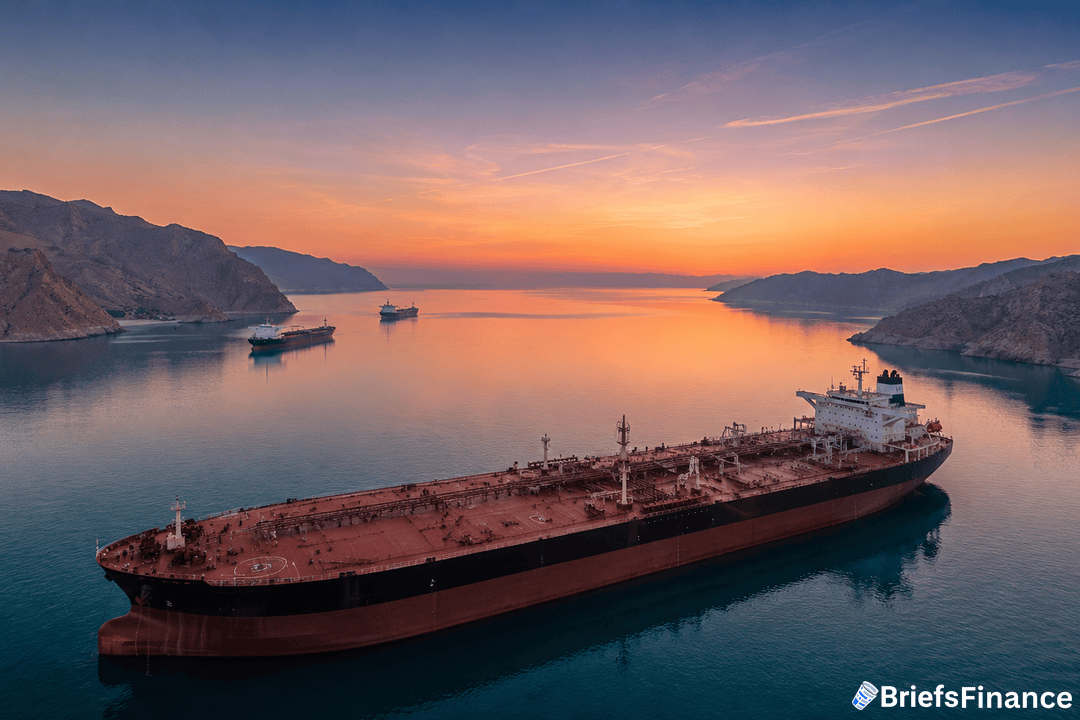
The Strait used to carry about one-fifth of the world's seaborne oil, with tracking data showing vessel traffic falling to near zero since the war ramped up. That kind of move in shipping volume is the single biggest variable hanging over oil prices right now.
For a daily read on stories like this and what they mean for your portfolio, Market Briefs breaks it down in five minutes a day, plus a free investing masterclass when you sign up.
Why The Deal Talk Is Not Convincing Wall Street
President Donald Trump said Saturday that an Iran deal has been "largely negotiated," with details to come. Iran's foreign ministry pushed back, saying navigation through the Strait "will have costs."
Then this week, the U.S. military said it conducted "self-defense strikes" in southern Iran, hitting missile launch sites and vessels placing mines near the Strait. Piper Sandler's read is that the U.S. has been "unwilling to press the fight" because Iran could hit back in ways that drag in the rest of the region.
Iran's leaders, the bank says, think they have leverage and are not in a rush to compromise. That puts the deal talk on shakier ground than the recent drop in oil suggests.
WTI crude futures briefly neared $120 a barrel when the war first escalated, and were last trading around $94. The recent move down has been the engine behind the broader stock market rebound.
What To Watch
If Piper Sandler's call comes true, the rebound in stocks gets a lot harder, because higher oil flows through into gasoline, diesel, jet fuel, and inflation. That, in turn, flows into how the Fed thinks about interest rates.
Wall Street is split, with oil traders betting on a deal while Piper Sandler bets on a stalemate. For investors who want a recession playbook just in case, the next two weeks of headlines out of Tehran will set the tone.
For more reads like this in your inbox every morning, join 350,000+ investors reading Market Briefs, and you also get a 45-minute investing course as a bonus when you join.