A mill running on two emails a day
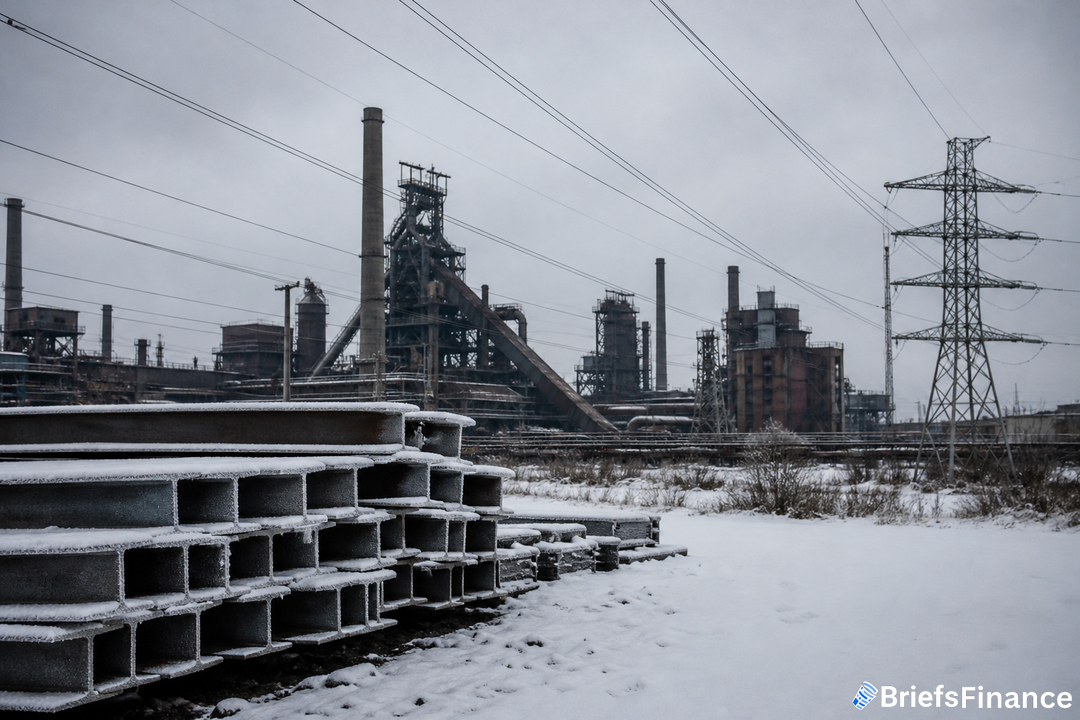
At a German steel plant run by Italy's Feralpi Group, Plant Manager Uwe Reinecke checks two emails daily with the next day's electricity prices and plans shifts almost hour by hour. The furnace runs on power bought close to delivery, and soaring costs have repeatedly forced stoppages this autumn despite solid demand. "The current rise in prices is significantly steeper than the increase we've been seeing since the summer, and that's causing us enormous difficulties," Reinecke said.
This is not an isolated headache. Contracts for electricity spanning the next three months change hands near €200 per megawatt hour, roughly double last winter's pricing. The driver is familiar. European gas prices are up threefold from a year ago, making electricity more expensive because gas plants often set the market price when cheaper sources fall short.
How the market sets the bill
Wholesale power is where utilities and big users buy electricity, from next day to years ahead. Day-ahead prices track near-term conditions like weather, renewable output and demand, while longer-dated contracts bake in expectations for fuel costs, the economy and plant availability. Buyers can lock in prices to reduce exposure to sudden swings.
Plenty of energy-heavy manufacturers still rely on spot purchases, so they feel the jump straight away. Feralpi's site is one of them, with limited hedging because many customers order at short notice. Companies without sufficient hedges "run the risk of operating at a loss, forcing them to consider at least partial production shutdowns" this winter, said Timothée de Rancourt of Royale Energy Solutions. When prices spike to extreme levels, the power itself can be worth more than the output it would create, leading some firms with advantageous hedges to resell electricity rather than operate machinery.
The strain is spreading
The current stress is about persistence rather than 2022-style extremes, but it is visible. Over the past two weeks, Germany's day-ahead market cleared above €300 on three occasions, and some quarter hours topped €600 during still, cloudy Dunkelflaute conditions that muted renewable output. Similar bursts have shown up across Europe and in the UK.
Some of the impact is delayed. Tens of millions of homes are shielded by fixed or regulated tariffs, and many large users pre-buy power months or years out. Those cushions expire, though, and costs are already edging higher.
A number of providers have already increased their 2027 offers, and EnBW plans to raise its household electricity tariff by 3.3 percent starting in January. Germany's coalition agreed to a power tax cut next year to cushion rising costs. In Poland, Prime Minister Donald Tusk said Tuesday the country plans to shield consumers from high prices.
When prices and costs affect companies, it's helpful to stay informed, so try the free Market Briefs for daily clarity.
The corporate fallout is here. Two German electricity retailers, Grüüün and Stromee, have ceased supplying power to their customers. Austria's Verbund said low hydropower forced costly spot purchases, cutting earnings by €120 million in the first nine months. Spain's Acerinox reported that increased energy bills resulted in a €16 million hit to its European operations last quarter, while long term contracts covered only about half of its electricity needs.
Risk could rise if winter bites. Monthly power contracts could climb to €300 if gas rallies further and a severe cold snap hits, according to BB Energy Trading Ltd. Governments are prepping backup. Germany plans to reactivate coal and oil units from its grid reserve should a natural gas emergency arise this winter, based on a draft law viewed by Bloomberg News.
And the meter is moving for consumers: Cornwall Insight Ltd. forecasts that, in Britain, January will bring a jump in the energy price cap, pushing the average annual bill up 26 percent to £2,166. In Germany, Verivox reports the average price among the 10 cheapest electricity plans is up about 33 percent compared with before the Iran war broke out, reaching 34.6 cents per kilowatt hour. "We expect further price increases," said Energy Expert Thorsten Storck.
What investors should watch next
Summer's record solar helped when demand was low, but as winter approaches Europe leans more on wind, which can swing sharply. That keeps price risk elevated even if we avoid 2022-style peaks. One marker to watch: average day-ahead prices from November 1 to 19 are running higher than during the 2022 energy crisis.
Why that matters for your portfolio: energy intensive industries face margin pressure when spot prices jump, and thinly hedged companies may trim output. As contracts reset, higher wholesale costs can also seep into consumer bills, pressuring demand. The bottom line is timing.
Long term deals delay the hit, but they renew. Keep an eye on power curves, gas headlines and policy cushions like Germany's tax cut.
It helps to check in on the economy often, so subscribe to the free Market Briefs newsletter for five-minute market summaries.