What the agreement does
Saudi Arabia and Japan outlined a plan that pairs supply insurance for Tokyo with more parking space for Saudi barrels in Japan. A joint statement published Friday via the Saudi Press Agency said the kingdom has already started adding oil to those facilities.
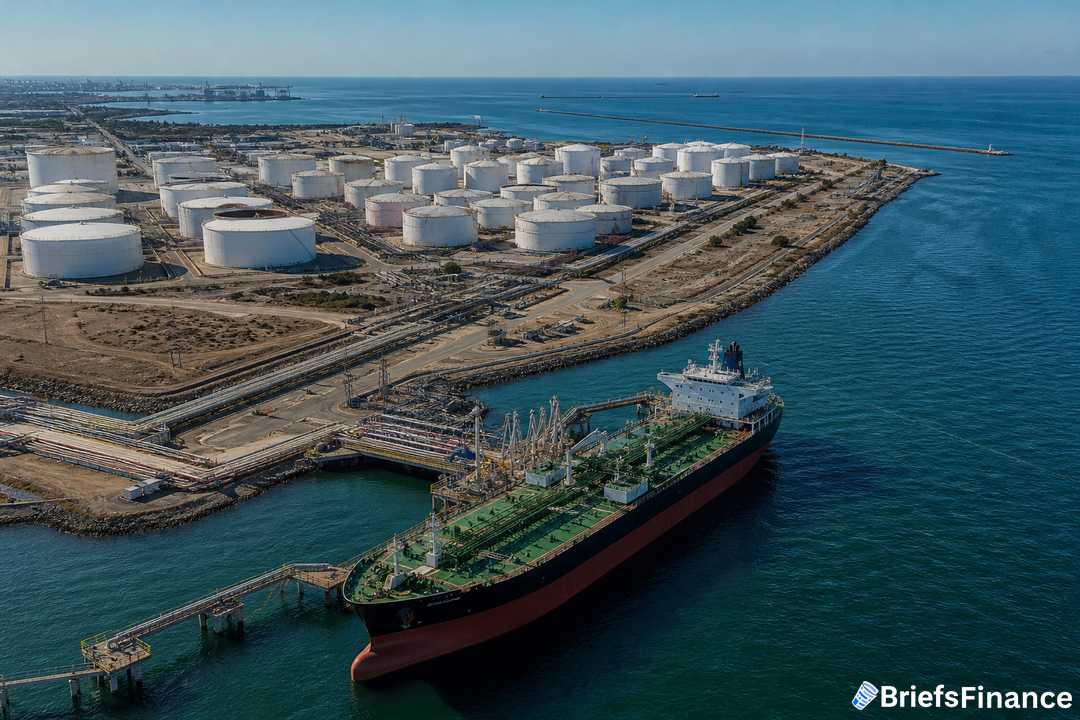
Under the deal, Tokyo could acquire up to 8 million barrels of Saudi crude and add it to the national petroleum reserve when prices cooperate. At the same time, Riyadh will have short-term access to 16 million barrels of storage capacity in Japan, enlarging the allocation beyond the existing 8 million-barrel slot.
The agreement came after a Nov. 9 video call that brought together Saudi Energy Minister Prince Abdulaziz bin Salman and Japan's Minister of Economy, Trade and Industry Ryosei Akazawa, during which they reiterated their strategic partnership and long-term energy security aims.
Why this is happening now
Big producers and big buyers are hardening their defenses after the US Iran war led to the biggest oil supply shock on record. In the early months of the Middle East war, Iranian attacks nearly shut vessels moving through the Strait of Hormuz, and emergency stockpiles kept products like jet fuel flowing through the summer while softening price spikes.
Last month, Japan drew on its national reserves as part of an International Energy Agency initiative, and IEA members collectively released an unprecedented 400 million barrels from emergency stocks.
When global energy and supply questions arise, stay informed with our free Market Briefs newsletter that distills it daily
The market backdrop
With Persian Gulf exports recovering to near prewar levels, the market tone has flipped. Brent has fallen by over 20% this month to roughly 90 dollars a barrel, and Goldman Sachs says a "sizable surplus" next year could pull prices lower.
This is also about resilience. Gulf exporters are pursuing backup options as Hormuz risks persist. Saudi Arabia has discussed access for Aramco to strategic storage overseas, and Singapore agreed last month to host Saudi oil in underground caverns starting in the second half of next year. As Sultan Al Jaber, who leads Abu Dhabi National Oil Co., put it, the world needs "expanded strategic storage, larger stockpiles of products and flexible refining capacity closer to consumer markets." His company has already inked stockpile cooperation deals with South Korea and India.
What it could mean for your portfolio
One open question is timing: when and how major importers rebuild emergency buffers after heavy drawdowns. This Saudi Japan pact is a strong signal that restocking is on the table, which can shape physical demand laps and storage economics even as benchmarks soften. For energy equities and tankage plays, track the cadence of government buys and new storage access, alongside any follow through from other IEA members eyeing similar moves.
For clear, concise context on trade and reserves, sign up for Market Briefs for five minute daily updates you can trust