What happened
Months into implementation, the India U.K. trade agreement is hitting an early snag as New Delhi resists granting the lower tariff treatment to bulk Scotch whisky. The deal had mapped out a first cut to 75% followed by a glide to 40% across a decade, but Reuters reported India now intends to levy 162.5% on bulk imports - higher than the pre deal rate of 150%.
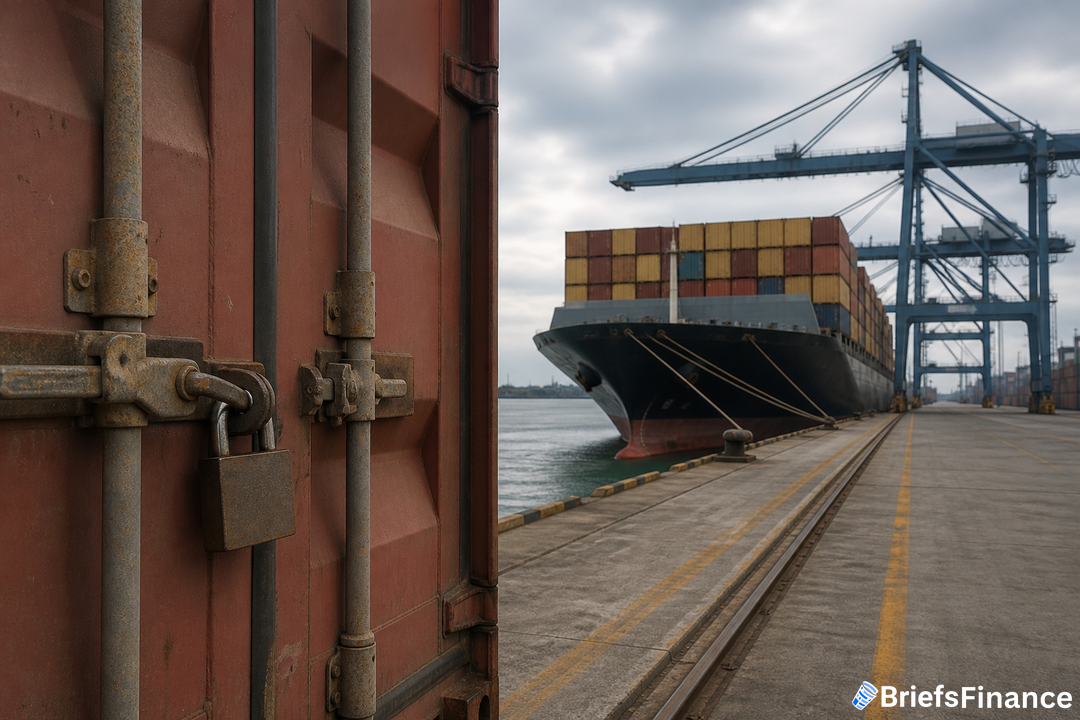
The policy limbo is showing up on the docks. According to Reuters, over 80 containers carrying several thousand liters of bulk Scotch destined for Pernod, Diageo, and Bacardi remain held up at ports in India. "Ministers are urgently working with the Government of India to resolve this issue to ensure UK businesses can export under the tariffs agreed in the trade deal," a U.K. government spokesperson told CNBC. CNBC sought comment from India's commerce ministry, but no reply was provided.
Why India is pushing back and who is caught in the middle
Indian authorities view bulk Scotch as a raw input, with the tariff relief applying only to Scotch that arrives already bottled, according to experts. Experts highlight that bulk Scotch is used as a feedstock for Indian distillers' local blends, and, per Sohrab Bararia of Grant Thornton Bharat, who is a partner and heads global trade, tax authorities are labeling these shipments as "compound alcoholic preparations," which renders them ineligible for the reduced rate. He added that producers argue "genuine Scotch whisky" is still whisky even if shipped in bulk and later blended or bottled in India.
That interpretation raises costs for a key feedstock. Cheaper access to bulk Scotch lets Indian distilleries lift blend quality for premium labels while keeping cost efficiency, but the dispute threatens those operations. Parth Shah, a partner at Deloitte India, told CNBC that the lack of the preferential rate could have "substantial" financial consequences for importers and "could particularly affect Indian manufacturers who have invested in domestic blending and bottling operations using imported bulk Scotch whisky."
When trade disputes and policy shifts can affect many sectors, stay informed with our free Market Briefs newsletter for five-minute updates.
The bigger picture
The two countries closed the deal last year after three years of talks across 14 formal negotiating rounds, with projections indicating annual U.K. India trade could increase by as much as 25.5 billion pounds ($34 billion) by 2040. Executives at Diageo and Chivas Brothers had welcomed the agreement and highlighted what it could mean for Scotch and for Scotland.
Why does that matter? "India is the world's largest whisky market by volume, so Scotch was always going to be one of the biggest prizes for the UK in this deal," said Reema Bhattacharya, who leads Asia research at risk intelligence firm Verisk Maplecroft. She also noted that bulk shipments, not just bottled exports, help U.K. producers build longer term partnerships with Indian companies and deepen their participation in the country's alcoholic beverage industry.
The demand backdrop is compelling. In a September report, HDFC Institutional Research forecast nearly 100 million additional legal-drinking-age consumers would emerge in India within the next five years, while noting volume declines and demographic headwinds in the U.S., Europe and China. The firm also said India's market is led by Indian made foreign liquor, or IMFL - products blended in India, often with imported malts and flavorings.
Investor angle
For portfolios tied to spirits and trade exposed names, the near term risk is higher input costs, jammed shipments and timing uncertainty for those banking on the tariff cuts. Diageo owned United Spirits, Pernod Ricard, Allied Blenders and Radico Khaitan are among companies active in India's whisky market. CNBC's questions went unanswered by two industry groups: the International Spirits and Wine Association and the Confederation of Indian Alcoholic Beverage Companies.
Even small tariff changes ripple through supply chains, sign up for the free daily Market Briefs to get concise market context.