What the WMO reported
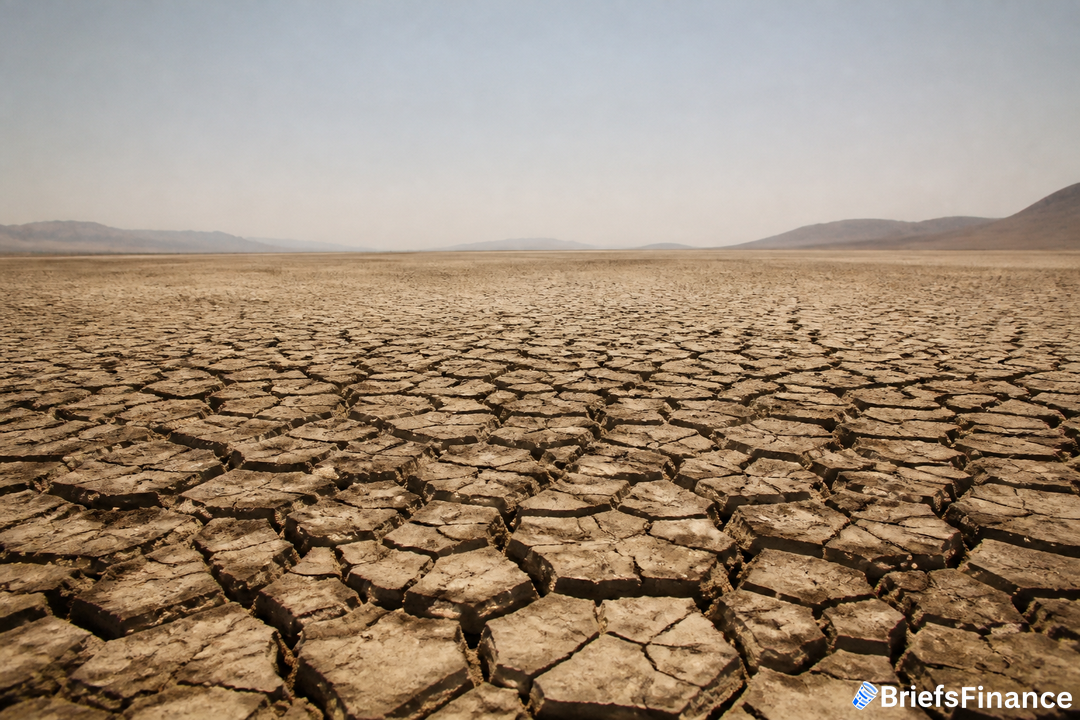
The World Meteorological Organization's State of the Climate report, released Monday as COP31 opened in Turkey, says the El Niño developing in the Pacific will tack on 0.1C to 0.2C to global temperatures. It calls this El Niño the strongest on record and expects it to last until February.
The agency explains that El Niño shifts temperature and rainfall around the world, changing the odds of drought, flooding, heat and other extremes by region. Sea surface anomalies tied to this event could reach up to 3.7C in the central and eastern stretch of the Equatorial Pacific, versus a 0.2C anomaly logged in March.
How hot and for how long
Global temperatures ran 1.47C (2.65F) above pre-industrial levels between January and September, according to the report. Observation agency Copernicus recently projected that 2026 will exceed 1.5C above pre-industrial levels, and the UN expects the long-term global average to climb beyond that threshold. Its best-case outlook for this century is 1.8C of warming, which would require deeper cuts in man-made greenhouse gases than countries have currently pledged; meeting present commitments still leaves the world on a 2.6C path.
At a briefing in Antalya, Turkey, WMO Secretary General Celeste Saulo said, "We are supercharging our weather and El Niño will be a risk multiplier." She added, "El Niño and indeed the state of the global climate in 2026 gives new meaning to the phrase 'off the charts.'" Saulo also cautioned, "It's challenging to adapt to a world that's warming and warming and we see no change to this curve, unfortunately," and, "The ambition is there, but with current levels of CO2 emissions we can't see a limit of 1.5 degrees."
Oceans, seas and ice
The WMO said that from 2017 to 2026, sea levels rose at an average pace of 3.9 millimeters (0.15 inches) per year, versus 2.4 millimeters annually during 1993 to 2002. The agency says ocean heat kept climbing this year, a sign that the Earth system is absorbing energy more rapidly. That expansion of warmer water adds to sea level rise, and melting sea ice pushes it higher as well. In March, the Arctic's winter maximum sea-ice extent was either the lowest on record or the runner-up.
UN climate chief Simon Stiell said, "A super El Niño is turbocharging climate change, with impacts delivering a deadly double blow," adding, "The climate crisis is now a global health crisis of pandemic proportions, from toxic pollution to extreme heat and climate disasters slamming through health systems and infrastructure."
Weather and climate shifts show why investors value timely insights and adaptable strategies. We're hosting our first ever investor livestream on 11/17 to show you how to use ChatGPT and Claude to invest like a pro, hosted by Briefs Finance CEO Jaspreet Singh. Save your seat.
Energy and early warnings
The report says extreme weather in 2025 had mixed effects on renewables by region. Europe saw solar generation above average and wind output below average, while temperature-driven electricity demand came in lower than usual. Central and southern Africa faced less precipitation feeding hydropower and higher power demand.
Early-warning coverage is expanding. The number of countries reporting such systems increased to 136 in 2025, up from 56 ten years earlier, advancing toward the UN goal of universal coverage by the end of next year.
What this means for your portfolio
Understanding changing patterns helps investors anticipate risks and find smarter opportunities. On 11/17, our CEO Jaspreet Singh goes live for our first ever investor livestream on how to use ChatGPT and Claude to invest like a pro. Register to join him.