What the bank said and why it acted
The Bank of Russia left its benchmark at 14%, with Governor Elvira Nabiullina citing strikes on industry that are lifting costs and keeping policy tighter for longer. "We see that the restoration of the potential will be gradual and this means that this factor on prices could last longer," she said, adding, "Inflation in the persistent component remains at an elevated level," and that price growth expectations are near a two year high.
Officials had counted on refinery output recovering in the second half, but new attacks damaged facilities that had only recently restarted. The bank said price dynamics are still being driven by volatile components, mainly motor fuel, and it has flagged marketplace disruptions and higher transportation and insurance costs after strikes on warehouse infrastructure as another source of price pressure.
How the strikes are showing up in the numbers
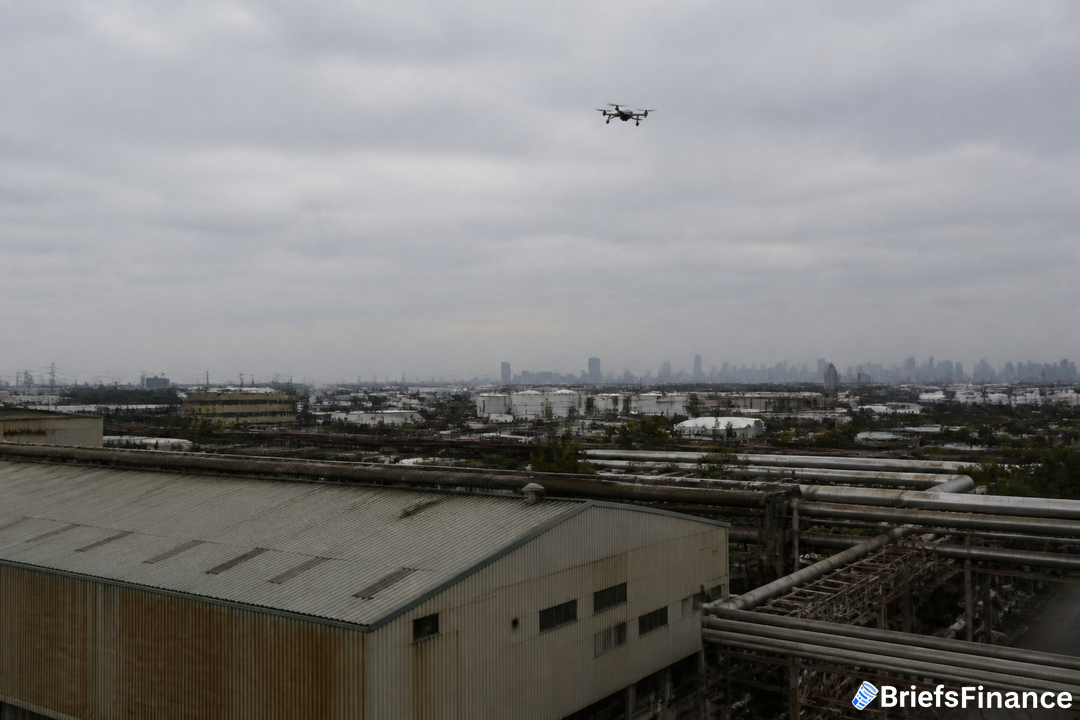
Ukrainian attacks on Russian refineries have pushed crude processing to multi year lows and caused fuel shortages. When gasoline climbs, freight and logistics get more expensive, and those costs spread to sectors tied to road transport. That makes the 4% inflation target harder to reach and postpones the prospect of cheaper credit in an economy used to high borrowing costs.
Annual inflation was 6.8% as of Oct. 19, with the central bank seeing 7.1%-7.6% by year end. According to Finam's Olga Belenkaya, by year-end inflation could climb to 8%, and she cautioned that infrastructure damage might briefly curb capacity in the information technology, finance, and services sectors. Nabiullina said price growth should be back at the target during the first half of 2027, but supply-side risks persist because capacity is rebuilding more slowly than anticipated.
On the demand front, she cited elevated price expectations, a strained labor market, and the budget deficit as continuing sources of pressure. "The most unpleasant thing might be a combination of these risks, when simultaneously the supply of goods declines and demand accelerates," she said. "Particularly when inflation is already high."
When economic signals shift, staying informed matters, so sign up for the free Market Briefs newsletter today.
Bloomberg compiled a count and map of Ukrainian strikes on Russian fuel production sites from the start of the full scale invasion through Oct. 15. It excludes two alleged Oct. 14 attacks that could not be independently verified. The count highlights that there are three refineries in Ufa and two in Nizhnekamsk, and also records that for the May 13, 2026 strike in Russia's Orenburg region, Ukraine did not specify the target. As of Oct. 15, the dataset draws on official remarks made by Ukrainian and Russian authorities, Bloomberg News reporting, and control-area information provided by the Institute for the Study of War together with AEI's Critical Threats Project.
The policy outlook and what it means for your portfolio
Nabiullina noted that, at this meeting, the board's detailed discussion focused solely on maintaining the key rate. The central bank expects its key rate to average 12.5%-13.5% next year and lifted its GDP growth outlook for this year to 0.5%-1% from 0%-1%. The next policy meeting is set for Dec. 18. She added that, despite a state budget that turned out more conservative than anticipated, lost industrial capacity has stood in the way of easing policy.
Analysts see little room to cut. "The war in Ukraine is again narrowing the Bank of Russia's room to cut rates. Inflationary spillovers from Ukrainian drone strikes and the risk of another fiscal overshoot threaten the decline toward the 4% target in 2027, after seven consecutive years of misses," said Ekaterina Vlasova of Bloomberg Economics. "The consequences of drone attacks on Russian oil refineries cannot be ignored," added Natalia Milchakova of Freedom Finance Global.
Companies looking for rate relief may need patience. Nabiullina said most large firms face only "temporary" difficulties if they need to restructure debt and that there is no risk to financial stability. In addition to refinery damage, attacks have affected data centers used by Yandex and top lender Sberbank, creating extra short-term pressure.
The bottom line: pricier fuel and sticky inflation expectations are keeping Russian rates higher for longer, a setup that raises borrowing costs, delays investment plans, and extends the timeline back to 4% inflation into 2027.
Markets and policy can change unexpectedly, so get clear daily context from the free Market Briefs.