Old players, familiar playbook
Some of Bitcoin's earliest champions are running a rerun with Zcash. Cameron and Tyler Winklevoss bought in early last cycle and built businesses around Bitcoin, while Barry Silbert took a similar path starting around 2012, backing the asset early and creating vehicles for others to invest. Now both camps are pouring into Zcash - scaling mining and courting capital through competing funds.
"It's deja vu all over again with Zcash," Cameron Winklevoss said at Token2049 in Singapore earlier this month. The two sides have been both partners and rivals, including a high-profile split tied to the Gemini Earn meltdown in 2022, and are now zeroed in on Zcash's investment products and infrastructure.
Money, mining, and competing funds
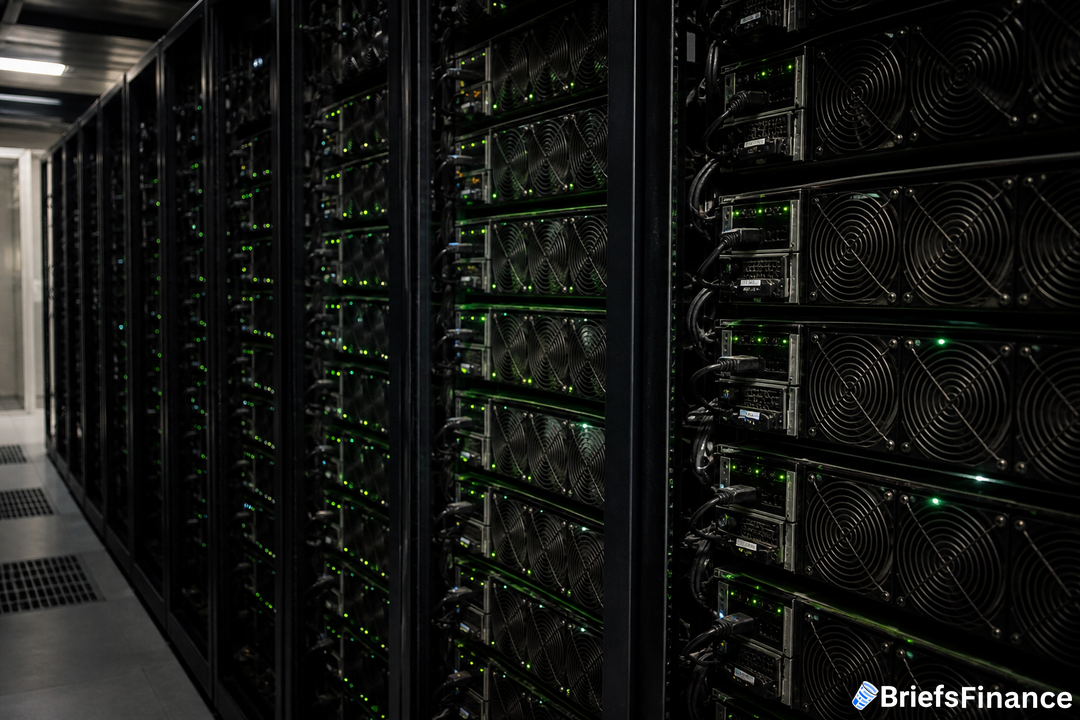
Two fronts define the push: hash power and products. The twins back Cypherpunk Technologies Inc., and Silbert supports Fortitude Mining. Both rank among the biggest ZEC miners.
Cypherpunk has about 20% of the network's computing power, and Fortitude said it is set to reach 20% after its latest installations. Both intend to invest tens of millions of dollars to secure a bigger slice of Zcash's mining rewards.
Like Bitcoin, Zcash's issuance is fixed and released on a schedule, making mining a zero-sum contest with limited direct impact on price. More computing gear simply boosts a miner's odds of earning token rewards for validating transactions. On the product side, DCG's Grayscale launched the first US Zcash ETF in August by converting a trust it opened in 2013 for accredited investors.
When new crypto projects attract attention, staying informed matters, so sign up for the free Market Briefs newsletter for five-minute updates
At the start of the month, the Winklevoss brothers submitted a filing for their own Zcash ETF. Zcash also has a hard cap on supply, a scarcity feature that has helped magnify price gains as new money arrives.
Why Zcash popped and who piled in
A pivotal US ruling in March 2025 eased ambiguity surrounding privacy coins. Following that move, prominent figures such as Arthur Hayes began pitching Zcash as protection against Bitcoin exposure while Bitcoin was hitting then-record highs. As Kaiko analyst Thomas Probst put it, "It started with a narrative as privacy became a hot topic again, well-known investors started pitching Zcash as a kind of private Bitcoin, and then real money followed."
Renewed interest also reflects safety and surveillance concerns. Zcash, launched about a decade ago, lets users shield transaction details, an appeal that has grown as advances in artificial intelligence make on-chain tracking easier. Accounts detailing crypto holders being targeted in kidnappings and brutal muggings have intensified the push to keep assets out of public view.
The token's surge over the past year has stood out against a broader crypto slump. Beyond the Winklevoss and Silbert efforts, Ethan Vera, chief operating officer at Luxor Technology, said, "There was a coordinated effort across a few large-scale buyers or miners, both in the US and China." That activity "snowballed," he added. Neither side has publicly cast its spending as a head-to-head duel, and both benefit as the ecosystem draws more investors.
Risks, exploits, and what it could mean for your portfolio
A parabolic move since mid 2025 brings tradeoffs. The growing footprint of the Winklevoss brothers and Digital Currency Group puts mining concentration and token ownership in sharper relief. In May, an independent security researcher leveraged Anthropic's Claude to reveal a long-standing Zcash flaw that could have enabled unlimited counterfeiting, spotlighting how AI may reshape the contest between network defenders and attackers.
Policy risk lingers. Privacy tokens can face tighter compliance demands or scrutiny over potential links to illicit use, and in some cases bans. The bottom line: a 3,000% rally has attracted heavyweight backers, new ETFs, and major mining buildouts, alongside concentration, regulatory, and security questions to watch if ZEC exposure touches your portfolio.
Markets and technology evolve quickly, so get clear context in minutes with the free Market Briefs newsletter delivered each weekday