What Fingrid is seeing
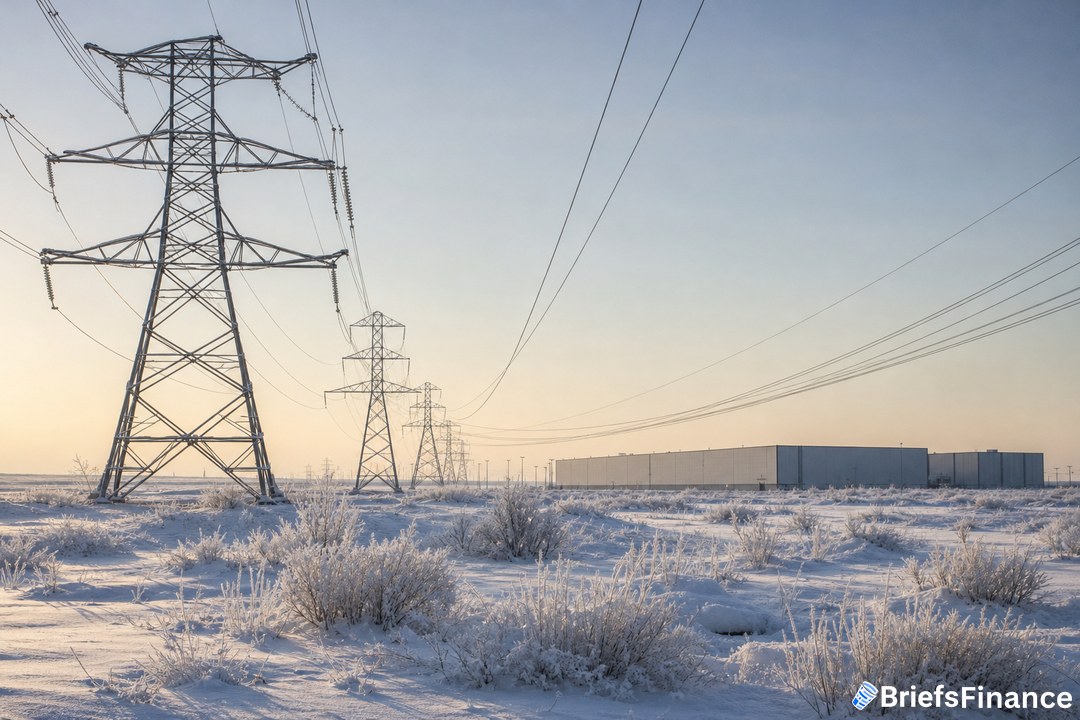
Fingrid Oyj, Finland's grid operator, said on its website Friday that power use could expand by up to 40% over the coming five years, driven first and foremost by planned data centers. Heat-producing boiler installations and energy storage projects are adding to the upswing.
The Helsinki-based operator said the jump in interest has clogged its queue for grid connection reviews. If everything in the pipeline gets built, consumption would end up as much as 40% above last year's level.
How big the buildout looks
By mid-October, data center projects amounting to over 5 gigawatts had secured formal grid-connection agreements, including distribution-level hookups. That stack slightly exceeds the roughly 4.4 gigawatts produced by Finland's five nuclear units.
Boiler projects that are being built and run account for more than 3 gigawatts, though these facilities typically operate below their nameplate. Energy storage proposals in the queue total almost 6 gigawatts.
When infrastructure and energy questions feel big, sign up for the free Market Briefs newsletter for a five-minute daily update
Grid bottlenecks and policy moves
Fingrid said the data buildout is part of a broader wave across Europe and the US, where artificial intelligence and cloud computing are straining limited grid capacity, forcing network owners to speed up investment and sharpening the debate over who gets first dibs on connections.
Finland's government is working on legislation that would put critical infrastructure at the front of the line for grid access ahead of facilities such as data centers. Separately on Thursday, it proposed stricter foreign direct investment screening by requiring permits for certain projects, including data centers at 100 megawatts and up, as well as AI and quantum-computing processing.
Why it matters for your portfolio
More megawatts chasing the same grid means timelines, capital spending, and permitting risk all matter more. Utilities and grid equipment makers could see steadier order books as investments accelerate, while large-scale compute projects may face longer lead times or higher connection costs. The bottom line: priority rules and permit thresholds are set to influence who scales first and at what price.
With so much changing around power and data, get our free Market Briefs in five minutes or less each morning